Risograph Printing A Complete Guide to This Unique and Creative Print Technique

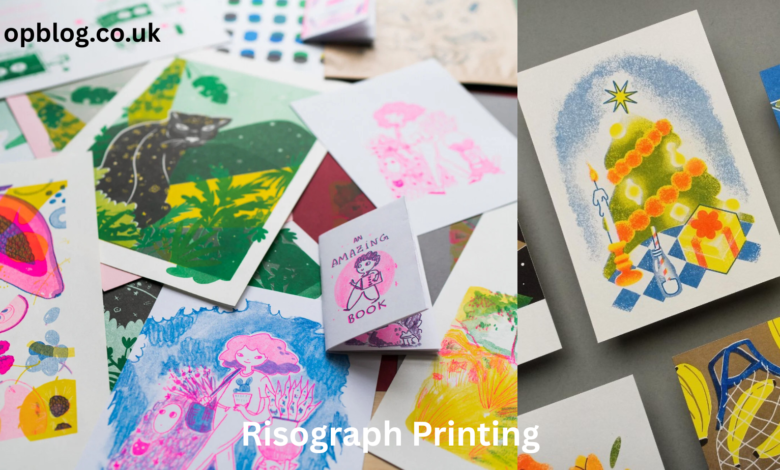
Risograph printing has quietly built a cult following among designers, artists, publishers, and small creative studios. At first glance, it may look like simple printing, but once you understand the process, textures, and visual character, it becomes clear why is so special. It sits somewhere between screen printing and digital printing, offering a handmade feel with modern efficiency.
In this article, we’ll explore risograph printing in depth—what it is, how it works, why creatives love it, and where it shines best. Written casually but with expert insight, this guide will help you understand why continues to grow in popularity despite the rise of high-end digital printing.
What Is Risograph Printing
Risograph printing is a printing technique that uses a Riso printer, originally developed in Japan. It works by creating a stencil, called a master, for each color and then pushing ink through that stencil onto paper. The result is a textured, slightly imperfect print that feels organic and unique.
Unlike standard laser or inkjet printers, risograph printers use soy-based inks and a drum system. Each color is printed separately, which means multi-color designs require multiple passes through the machine. This layered approach gives risograph prints their signature look, with visible overlaps, misalignments, and vibrant color depth.
What truly defines risograph printing is its character. No two prints are exactly the same. Small variations in ink coverage, alignment, and texture are not flaws—they’re part of the charm. This makes especially appealing to artists who value individuality over perfection.
The History and Origins of Risograph Printing

Risograph Printing was first introduced in the 1980s by RISO Kagaku Corporation in Japan. The original purpose was practical rather than artistic. Riso printers were designed as a cost-effective solution for high-volume printing, especially for schools, offices, and community organizations.
Over time, creatives began to notice the unique visual qualities of Riso prints. The bold colors, matte finish, and slight imperfections stood out in a world dominated by clean, uniform digital prints. Designers and artists started experimenting with the machines, pushing them beyond their original intent.
By the early 2000s, had found a new home in the creative world. Independent publishers, zine makers, illustrators, and graphic designers embraced the process. What started as an office machine evolved into a powerful creative tool with a strong artistic identity.
How Risograph Printing Works
The risograph printing process begins with creating a digital file, usually separated into individual color layers. Each color requires its own stencil, or master, which is wrapped around a drum inside the Riso machine. The machine then pushes ink through the stencil onto paper.
Because each color is printed separately, alignment is done manually or semi-automatically. This is where the magic happens. Slight shifts between colors create unexpected overlaps and textures, giving risograph prints their distinctive look. Precision is possible, but perfect alignment is not the goal.
Ink used in risograph printing is oil-based, often soy-based, and dries by absorption rather than heat. This means prints may take longer to dry and can sometimes smudge if handled too soon. However, this drying method contributes to the soft, tactile feel that Riso prints are known for.
Why Designers and Artists Love Risograph Printing
One of the biggest reasons creatives love Risograph Printing is its aesthetic. The colors are vibrant yet soft, with a richness that feels different from standard CMYK printing. Neon pinks, bright blues, and warm yellows are especially striking in Riso prints.
Another major appeal is the balance between efficiency and craftsmanship. allows for medium to large print runs at a relatively low cost once the setup is complete. This makes it ideal for zines, posters, booklets, and art prints without sacrificing a handmade feel.
Risograph printing also encourages experimentation. Because the process embraces imperfections, designers feel freer to play with textures, layering, and bold graphic choices. This creative freedom often leads to unexpected and visually exciting results.
Risograph Printing vs Digital Printing
When comparing risograph Risograph Printing to digital printing, the differences go beyond just appearance. Digital printing is precise, consistent, and fast, making it ideal for commercial projects that require exact color matching and sharp detail.
on the other hand, is expressive and unpredictable. Colors are printed as solid inks rather than blended tones, which creates a more graphic and illustrative look. Gradients and photographic details are possible, but they require careful preparation and a different design approach.
Another key difference is sustainability. Risograph printers use less energy than laser printers and rely on soy-based inks, which are more environmentally friendly. For eco-conscious creators, this makes risograph printing an appealing alternative.
Popular Uses of Risograph Printing
Risograph printing is commonly used for zines, artist books, and independent publications. Its affordability for short to medium print runs makes it perfect for self-publishing projects where budget and creativity are both important.
Posters and flyers are another popular use. The bold colors and textured finish help Riso-printed posters stand out, especially in creative or cultural spaces. Many music events, art exhibitions, and community projects choose for this reason.
Risograph printing is also used for art prints, stationery, and branding materials. Business cards, postcards, and packaging printed with Riso instantly feel more personal and distinctive, helping brands and artists stand apart in a crowded market.
Designing for Risograph Printing
Designing for risograph printing requires a slightly different mindset than designing for digital or offset printing. Since each color is printed separately, designs are usually limited to a small number of spot colors rather than full-color images.
Understanding ink overlap is crucial. When two colors overlap, they create a third color, which can be used intentionally to add depth and variation. This layering effect is one of the most exciting aspects of risograph printing when used thoughtfully.
It’s also important to embrace imperfections. Fine lines, large solid areas, and high-contrast designs tend to work best. Designers who accept slight misalignment and ink variation often achieve the most visually compelling results.
Limitations and Challenges of Risograph Printing
While risograph printing has many strengths, it does come with limitations. Color accuracy can be unpredictable, and matching specific brand colors can be challenging. This makes it less suitable for projects that require strict color consistency.
Paper choice also matters. Not all papers work well with risograph printing, especially coated or glossy stocks. Uncoated, absorbent papers usually produce the best results, but this limits material options for some projects.
Additionally, setup time can be longer compared to digital printing. Creating masters for each color takes effort, so is not ideal for very small print runs or last-minute jobs. However, for the right project, the results are well worth the effort.
The Community and Culture Around Risograph Printing
Risograph printing has grown into more than just a technique—it’s a community. Print studios, workshops, and collectives around the world are dedicated to Riso printing, often offering open access to artists and designers.
This sense of community has helped risograph printing thrive. Knowledge is shared openly, and experimentation is encouraged. Many creatives learn Riso printing through hands-on workshops rather than formal training, which adds to its grassroots appeal.
The culture around values process as much as outcome. The act of printing becomes part of the creative journey, making the final piece feel more meaningful and personal.
The Future of Risograph Printing
Despite advances in digital Risograph Printing technology, continues to grow in popularity. Its tactile quality and distinctive look offer something that digital methods cannot fully replicate.
As more creatives seek authenticity and sustainability, risograph printing fits naturally into modern design values. Its low-energy operation and eco-friendly inks align well with environmentally conscious practices.
Looking ahead, risograph printing is likely to remain a niche but influential force. It may never replace digital or offset printing, but it doesn’t need to. Its strength lies in doing something different—and doing it beautifully.
Final Thoughts on Risograph Printing
Risograph printing is a perfect example of how limitations can inspire creativity. Its bold colors, textured finishes, and imperfect charm have earned it a dedicated following among artists and designers worldwide.
More than just a printing method, represents a mindset—one that values experimentation, individuality, and hands-on craftsmanship. It reminds us that print can still feel alive in a digital world.
If you’re looking for a printing technique that stands out, tells a story, and feels genuinely human, risograph printing is worth exploring. It’s not about perfection—it’s about character, creativity, and connection.