Paul Reed Smith The Visionary Behind One of the World’s Most Respected Guitar Brands

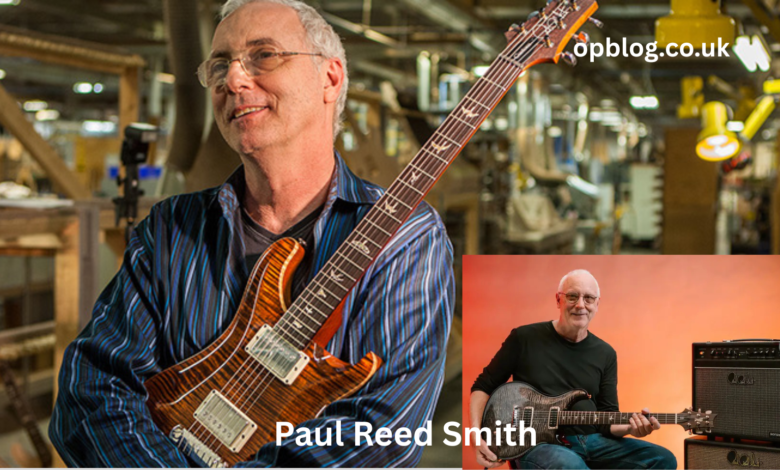
Paul Reed Smith when musicians talk about premium electric guitars, the name Paul Reed Smith inevitably enters the conversation. Often shortened to PRS, this name represents far more than a logo on a headstock. It stands for precision, tone, innovation, and a relentless pursuit of perfection. From small workshops to world-renowned stages, Paul Reed Smith has shaped modern guitar culture in a way few individuals ever have.
This article takes a deep dive into Paul Reed Smith as a person, a craftsman, and a brand. Written casually but with expert insight, it explores his journey, philosophy, instruments, and lasting influence on music. Whether you’re a guitarist, a music enthusiast, or simply curious about legendary instrument makers, this guide will give you a complete understanding of why Paul Reed Smith matters so much.
Who Is Paul Reed Smith
Paul Reed Smith is an American luthier, entrepreneur, and visionary best known as the founder of PRS Guitars. Born with a deep fascination for music and mechanics, he combined these passions at an early age to explore how instruments are built and how they sound. Unlike many who enter the music world solely as performers, Smith was drawn to the craftsmanship behind the sound.
From the beginning, Paul Reed Smith believed that guitars could be better. He noticed inconsistencies in tone, tuning stability, and build quality across many popular instruments. Rather than accepting these flaws as normal, he set out to fix them. This mindset became the foundation of his career and ultimately his brand.
What makes Paul Reed Smith unique is his dual identity. He is both an artist at heart and an engineer by discipline. This balance allows him to understand what musicians need emotionally while also solving technical problems with precision. That combination is at the core of PRS guitars’ reputation.
The Early Journey of Paul Reed Smith

Paul Reed Smith journey began humbly, building guitars by hand while attending college. He spent countless hours experimenting with woods, shapes, neck profiles, and electronics. These early years were defined by trial, error, and an obsessive attention to detail that would later define his success.
In the late 1970s and early 1980s, Smith began gaining recognition among professional musicians. His custom-built guitars attracted players who were searching for something more reliable and refined than mass-produced instruments. Word spread quickly within the music community, especially among touring artists who demanded consistency night after night.
One of the turning points in his career came when high-profile musicians started using his guitars on stage and in the studio. These early endorsements helped Paul Reed Smith transition from a small-scale builder into the founder of a globally recognized brand. Yet, even as the company grew, Smith remained deeply involved in the design and production process.
The Birth of PRS Guitars
PRS Guitars was officially founded in 1985, marking a major milestone in Paul Reed Smith’s career. The company was built on a clear philosophy: create instruments with flawless craftsmanship, stunning aesthetics, and exceptional tone. From day one, PRS positioned itself as a premium brand rather than a mass-market manufacturer.
The first PRS guitars immediately stood out. They featured elegant double-cutaway designs, beautifully figured woods, and innovative hardware. These guitars were not just tools—they were works of art. Musicians appreciated that PRS guitars felt modern while still respecting traditional guitar design principles.
What truly set PRS apart was consistency. Paul Reed Smith insisted on strict quality control, ensuring that each instrument met the same high standards. This commitment helped PRS earn trust quickly, especially among professional musicians who couldn’t afford unreliable gear.
Paul Reed Smith Design Philosophy
At the heart of Paul Reed Smith’s success is his design philosophy. He believes that every part of a guitar affects its tone, playability, and longevity. Nothing is accidental. From the curvature of the body to the angle of the headstock, every detail is carefully considered.
Smith often talks about “connecting the dots” between classic guitar designs. Rather than copying existing instruments, he studied what made them great and then combined the best elements into something new. This approach resulted in guitars that feel familiar yet distinctly modern.
Another key aspect of his philosophy is balance. PRS guitars are designed to sound good across a wide range of styles, from blues and jazz to rock and metal. Paul Reed Smith wanted instruments that were versatile enough for studio musicians while still inspiring enough for live performance.
Iconic PRS Guitar Models
Over the years, Paul Reed Smith has introduced several iconic guitar models that have become industry standards. The PRS Custom 24 is perhaps the most famous. Known for its versatility and smooth playability, it quickly became a favorite among professional players.
Other popular models include the PRS McCarty, which leans toward vintage-inspired tones, and the PRS Silver Sky, a modern take on classic single-coil designs. Each model reflects Paul Reed Smith’s ability to respect tradition while pushing innovation forward.
What’s remarkable is how consistent these instruments feel. Regardless of the model, PRS guitars maintain a signature quality that players recognize instantly. This consistency reinforces the brand’s identity and reflects Smith’s unwavering standards.
Paul Reed Smith and Tone Innovation
Tone has always been central to Paul Reed Smith’s work. He often emphasizes that great tone starts with wood selection and construction methods, not just electronics. PRS guitars are known for their rich resonance, clarity, and sustain, qualities that come from careful material choices.
Smith has also contributed significantly to pickup design. PRS pickups are engineered to complement the natural sound of the guitar rather than overpower it. This results in instruments that sound balanced and expressive, even before amplification effects are added.
Another important innovation is tuning stability. Paul Reed Smith invested heavily in developing bridges and nut designs that keep guitars in tune under demanding conditions. For touring musicians, this reliability is invaluable and one of the reasons PRS guitars are trusted worldwide.
Paul Reed Smith Impact on Musicians
Paul Reed Smith influence extends far beyond his workshop. His guitars have been used by legendary artists across genres, shaping the sound of countless recordings and performances. Many musicians credit PRS instruments for helping them achieve their signature tone.
What musicians appreciate most is how PRS guitars respond to their playing. The instruments feel alive, translating subtle dynamics and emotional expression with ease. This responsiveness creates a deeper connection between the player and the instrument.
Beyond the guitars themselves, Paul Reed Smith has also inspired a new generation of builders and designers. His success proves that innovation and craftsmanship can coexist, even in an industry rooted in tradition.
PRS Guitars as a Brand Today
Today, PRS Guitars operates on a global scale, producing instruments at various price points while maintaining high standards. From USA-made core models to more accessible international lines, the brand ensures that quality remains consistent across the board.
Despite the company’s growth, Paul Reed Smith remains actively involved. He continues to oversee designs, explore new ideas, and communicate directly with musicians. This hands-on leadership keeps the brand grounded and authentic.
PRS is also known for its transparency and education. The company frequently shares insights into guitar building, tone science, and maintenance, reflecting Smith’s passion for teaching and learning.
Paul Reed Smith Legacy in Music
Paul Reed Smith legacy is not just about guitars—it’s about raising expectations. He challenged the idea that musicians must choose between beauty, reliability, and tone. His work shows that all three can coexist in a single instrument.
Over the decades, Smith has earned respect not only as a builder but as a thinker. His willingness to question norms and experiment thoughtfully has pushed the entire industry forward. Many modern guitar innovations trace their roots back to ideas he championed.
As music continues to evolve, Paul Reed Smith’s influence remains strong. His instruments are used by seasoned professionals and aspiring players alike, bridging generations through sound and craftsmanship.
Final Thoughts on Paul Reed Smith
Paul Reed Smith is more than a name—it’s a symbol of excellence in guitar making. Through vision, discipline, and an unwavering commitment to quality, he has transformed how musicians view their instruments. His work proves that craftsmanship still matters in a fast-paced, modern world.
Whether you own a PRS guitar or simply admire them from afar, it’s impossible to ignore the impact Paul Reed Smith has had on music. His story is one of curiosity, persistence, and passion, reminding us that true innovation comes from caring deeply about the details.
In the world of guitars, trends come and go, but Paul Reed Smith’s contribution is timeless. His instruments don’t just make music—they inspire it.