Deborah Foreman is a name that instantly resonates with fans of classic 1980s cinema. Known for her girl-next-door charm, expressive performances, and unmistakable screen presence, she became one of the most recognizable actresses of her era. While her time in the Hollywood spotlight was relatively brief, her impact on pop culture remains strong decades later.
Unlike many stars who chase fame relentlessly, Deborah Foreman took a different path. After achieving success early in her career, she stepped away from mainstream Hollywood at her own pace. This decision has only added to her mystique and earned her respect from fans who admire authenticity over constant visibility.
This article explores Deborah Foreman’s life, career, and legacy—from her breakout roles and acting style to her life beyond Hollywood. Whether you’re rediscovering her films or learning about her for the first time, this guide offers a complete picture of an actress who defined a generation.
Early Life and Entry into Acting
Deborah Foreman was born on October 12, 1962, in Montebello, California. Growing up in Southern California placed her close to the entertainment industry, but her early years were relatively normal compared to many child actors. She showed an interest in performance from a young age and pursued acting seriously as a teenager.
Her natural look and relatable energy helped her stand out during auditions. At a time when Hollywood favored polished glamour, Deborah Foreman brought a refreshing authenticity that casting directors found appealing. She didn’t rely on exaggerated performances, which made her characters feel grounded and believable.
By her late teens, she had already begun landing roles in film and television. This early exposure helped her gain confidence and experience, setting the stage for her breakthrough in early 1980s cinema.
Breakthrough Role in Valley Girl

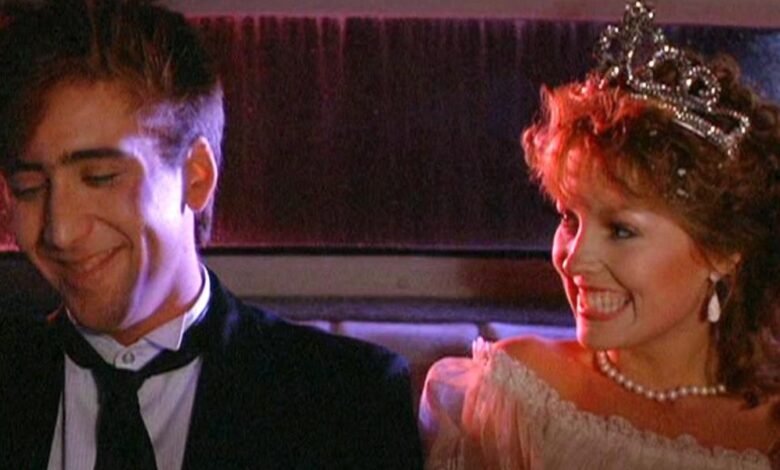
Deborah Foreman career-defining moment came with her starring role in Valley Girl (1983). The film became a cult classic and played a major role in shaping 1980s teen culture. Her portrayal of Julie Richman captured the essence of youth, romance, and identity during that era.
What made her performance stand out was its sincerity. Rather than leaning into stereotypes, Deborah Foreman brought emotional depth to a character navigating love, peer pressure, and self-discovery. Audiences connected with her vulnerability, making the film memorable beyond its soundtrack and fashion.
Valley Girl not only launched her into stardom but also cemented her status as an iconic figure of the decade. Even today, the film is frequently referenced in discussions about influential teen movies of the 1980s.
Expanding Her Film Career in the 1980s
Following the success of Valley Girl, Deborah Foreman appeared in several notable films throughout the decade. She starred in My Chauffeur (1986), a lighthearted comedy that showcased her comedic timing and confident screen presence. The role allowed her to move beyond teen drama and explore more playful storytelling.
She also took on darker material in films like April Fool’s Day (1986), a cult-favorite horror-thriller. This performance demonstrated her versatility and willingness to experiment with different genres. Rather than being typecast, she actively sought roles that challenged expectations.
Another memorable appearance came in Waxwork (1988), where she blended humor and horror in a way that resonated with genre fans. These films helped Deborah Foreman maintain relevance while building a diverse portfolio of work.
Acting Style and On-Screen Persona
Deborah Foreman acting style has always been rooted in naturalism. She brought a quiet confidence to her roles, allowing emotions to unfold organically rather than forcing dramatic moments. This approach made her performances feel relatable and sincere.
Her on-screen persona often balanced strength and vulnerability. She played characters who were independent yet emotionally aware, reflecting real-life complexity. This combination helped her stand out during a decade known for bold personalities and exaggerated performances.
What truly set her apart was her ability to connect with audiences without overexposure. She didn’t rely on constant media appearances, allowing her work to speak for itself—a rarity in an industry driven by publicity.
Stepping Away from the Hollywood Spotlight
By the early 1990s, Deborah Foreman made the decision to step back from mainstream acting. This choice surprised many fans but reflected her desire for balance and personal growth. Rather than chasing fame, she chose to explore life beyond Hollywood.
During this time, she focused on self-development, education, and alternative creative outlets. She became involved in yoga and wellness, eventually training as a yoga instructor. This transition highlighted her commitment to mental and physical well-being.
Her step away from acting was not a retreat but a recalibration. Deborah Foreman demonstrated that success does not have to follow a single path and that personal fulfillment can matter more than public recognition.
Return to Acting and Later Projects
Although she stepped away from the mainstream, Deborah Foreman never fully left acting. She returned in select independent films and television appearances, choosing projects that aligned with her interests rather than commercial pressure.
These later roles were more subtle and mature, reflecting her growth as both an artist and individual. Rather than revisiting past fame, she embraced storytelling that felt meaningful and authentic.
Her selective return was well-received by longtime fans who appreciated seeing her on screen again. It reinforced the idea that talent does not expire and that creative expression can evolve at any stage of life.
Cultural Impact and Fan Legacy
Deborah Foreman remains a beloved figure among fans of classic cinema. Her films continue to be rediscovered by new audiences, particularly through streaming platforms and retro film discussions. This ongoing appreciation speaks to the timeless quality of her work.
She represents a specific era in Hollywood—one defined by sincerity, character-driven stories, and emotional realism. Her performances serve as a reminder that subtlety can be just as powerful as spectacle.
Fan communities continue to celebrate her contributions, often highlighting her influence on teen cinema and genre films. Deborah Foreman’s legacy lives on through the emotional connection audiences still feel toward her characters.
Why Deborah Foreman Still Matters Today
In an age dominated by constant online visibility, Deborah Foreman’s career offers a refreshing contrast. She succeeded without overexposing herself, proving that talent and authenticity can leave a lasting mark without constant self-promotion.
Her willingness to step away, grow, and return on her own terms makes her story especially relevant today. Many creatives look to her journey as an example of how to prioritize well-being while staying true to artistic values.
Deborah Foreman matters because she represents choice, balance, and quiet strength—qualities that resonate far beyond the film industry.
Final Thoughts on Deborah Foreman
Deborah Foreman career is a testament to authenticity in entertainment. From her iconic roles in 1980s cinema to her thoughtful life beyond Hollywood, she has remained true to herself every step of the way.
Her performances continue to inspire nostalgia while offering genuine emotional depth. She didn’t chase trends or headlines—she focused on meaningful work and personal fulfillment.
In the end, Deborah Foreman is more than an 80s icon. She is a reminder that lasting impact comes from sincerity, courage, and knowing when to step forward—and when to step back.