Adam Wakeman The Life Music and Legacy of a Modern Rock Virtuoso and Keyboard Maestro

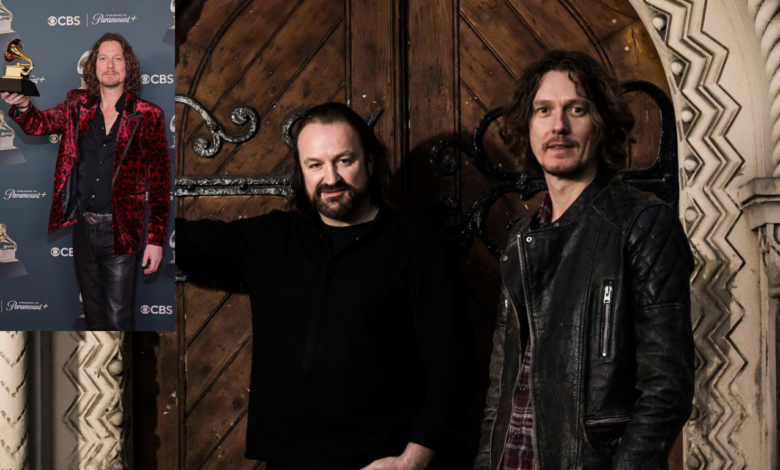
Adam Wakeman has carved out a unique space in the world of rock music, earning recognition not only as a talented keyboardist but also as a versatile multi-instrumentalist and composer. Known for his dynamic performances, technical mastery, and creative vision, he has collaborated with some of the most iconic acts in rock history, establishing himself as one of the most respected musicians of his generation.
What sets Adam apart is his ability to seamlessly blend technical skill with emotional expression. Whether performing live on stage, recording in the studio, or composing original music, he demonstrates a rare balance of precision, creativity, and musical intuition. His career has spanned decades, during which he has contributed to numerous projects while developing a distinct artistic voice of his own.
In this article, we will explore Adam Wakeman early life, his musical influences, key collaborations, solo projects, live performances, and the lasting impact he has had on the world of rock music.
Early Life and Musical Roots
Adam Wakeman was born into a musical family, which played a significant role in shaping his career. Growing up in a household where music was an integral part of daily life, he was exposed to classical, rock, and contemporary styles from an early age. His father, Rick Wakeman, is a legendary keyboardist, best known for his work with the progressive rock band Yes. Being raised in such a creative environment allowed Adam to absorb musical knowledge and techniques firsthand.
From a young age, Adam Wakeman demonstrated remarkable talent on multiple instruments. He began learning piano and keyboards under the guidance of his father while simultaneously exploring guitar and other instruments. His early exposure to complex compositions and live performance situations gave him a foundation that many musicians spend years trying to achieve.
By his teenage years, Adam was already performing in local bands and experimenting with different musical styles. His upbringing instilled not only technical skill but also a deep understanding of music theory, composition, and stage presence, which would become central to his professional career.
Musical Influences and Development

Adam Wakeman musical influences span a wide range of genres. From classical composers to modern rock legends, he drew inspiration from artists who emphasized both technical proficiency and emotional depth. His father’s progressive rock background introduced him to the complexity and creativity of bands like Yes and Genesis, while contemporary rock, jazz, and blues also informed his style.
As he matured, Adam developed a personal approach to the keyboard, combining classical training with improvisation and rock sensibilities. This allowed him to contribute in ways that went beyond simply playing notes—he became an interpreter, creating textures, harmonies, and solos that elevated any project he joined.
In addition to keyboards, Adam Wakeman explored guitar and bass, giving him a multi-dimensional perspective on music. This versatility made him a sought-after collaborator for both studio recordings and live performances, allowing him to adapt to a variety of musical contexts seamlessly.
Career Breakthrough and Early Collaborations
Adam Wakeman professional career began to gain traction in the late 1990s and early 2000s when he started collaborating with established artists and touring internationally. One of his early breakthroughs was joining bands led by veteran rock musicians, where he could apply his technical expertise while learning the nuances of live performance at the highest level.
Over the years, he has worked with iconic acts such as Ozzy Osbourne, Black Sabbath, and other major rock figures. These collaborations provided him with unparalleled experience in both studio and stage environments, allowing him to refine his performance skills while contributing creatively to some of the most well-known projects in rock history.
His ability to balance supporting roles with Adam Wakeman moments of musical prominence made him invaluable in these collaborations. Adam’s keyboard and guitar work added depth to live performances, enhancing the overall experience for audiences while maintaining the core sound of the band.
Solo Projects and Original Music
While Adam Wakeman is renowned for his collaborations, he has also pursued solo projects that highlight his individual artistry. These projects demonstrate his talent as a composer and arranger, showcasing the breadth of his musical vision.
His solo work often blends elements of progressive rock, classical influences, and modern electronic textures. This fusion allows him to explore soundscapes that go beyond traditional rock, giving listeners a glimpse into his creative mind. Through his solo albums and performances, Adam has established himself not only as a collaborator but as a standalone artist with a unique voice in contemporary music.
Composing original material has also allowed him to experiment with thematic storytelling, concept albums, and instrumental exploration. These endeavors reflect his deep understanding of music as both entertainment and artistic expression.
Live Performances and Stage Presence
One of Adam Wakeman defining characteristics is his dynamic stage presence. Whether performing in large arenas or intimate venues, he brings energy, precision, and charisma to every show. His ability to engage with the audience while maintaining technical excellence is a testament to his professionalism and experience.
Touring with high-profile artists has exposed him to diverse audiences, demanding high-level adaptability and consistency. Adam often transitions seamlessly between supporting roles and moments of solo expression, demonstrating his versatility as a performer. His live performances have received praise for both their musical quality and emotional impact, making him a standout figure in modern rock tours.
In addition to technical skill, Adam Wakeman stage presence is informed by his understanding of showmanship and audience psychology. He knows how to create tension, build excitement, and deliver climactic moments that leave a lasting impression.
Legacy and Influence
Adam Wakeman’s contributions to modern rock music extend beyond his performances. His technical mastery, versatility, and dedication to craft have influenced younger musicians seeking to emulate his approach. He represents a rare combination of technical skill, compositional knowledge, and emotional intelligence in music.
Through decades of work, he has shown that being a musician is about more than individual talent—it’s about collaboration, adaptability, and creating meaningful experiences for audiences. His career serves as an example of how dedication, continuous learning, and passion for music can sustain long-term success in an ever-changing industry.
Adam Wakeman influence is also reflected in his willingness to mentor and inspire others. By sharing knowledge and experiences, he helps cultivate a new generation of musicians who value both precision and creativity.
Conclusion A Modern Maestro of Rock
Adam Wakeman career is a testament to the power of dedication, versatility, and musical vision. From his early days learning under the guidance of his father to performing with legendary rock acts and producing his own original work, he has consistently demonstrated excellence in every facet of music.
His legacy is defined not only by technical proficiency but also by the emotional depth and authenticity he brings to each performance. Adam Wakeman stands as a model of what it means to be a modern rock virtuoso—someone who combines skill, creativity, and passion to leave a lasting impact on the world of music.
Whether collaborating on iconic tours, composing original pieces, or inspiring the next generation of musicians, Adam Wakeman has firmly established himself as one of the most talented and respected figures in contemporary rock music.