Beech Tree Explained A Complete Expert Guide to Its Growth Benefits Uses and Ecological Importance

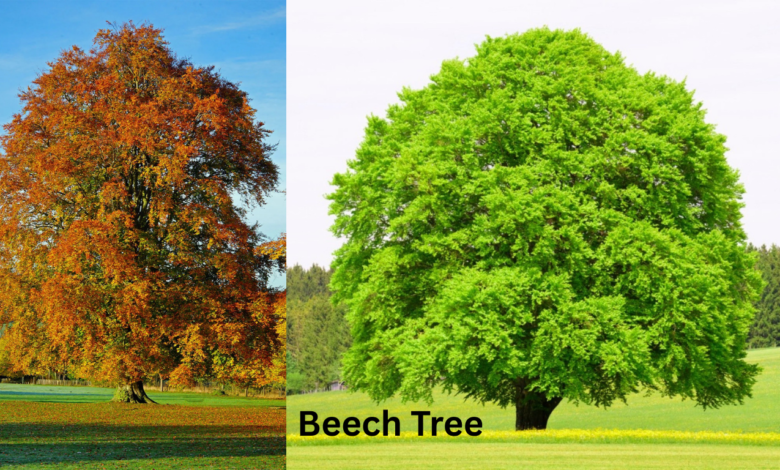
Beech Tree is one of the most admired and ecologically valuable trees found in temperate regions around the world. Known for its smooth bark, dense canopy, and long lifespan, this majestic tree has played an important role in both natural ecosystems and human landscapes for centuries. Whether growing in forests, parks, or private gardens, beech trees bring beauty, shade, and environmental benefits to their surroundings.
These trees are often recognized by their tall, straight trunks and broad leaves that turn stunning shades of gold and bronze in the autumn season. Their ability to thrive in different climates and soil types makes them a popular choice for landscaping as well as forest restoration projects.
In this comprehensive guide, we will explore the characteristics, their growth patterns, ecological importance, practical uses, and how to care for them effectively.
Physical Characteristics of the Beech Tree
Beech tree are easily identified by their smooth, gray bark and dense, rounded crown. Unlike many other tree species, their bark remains relatively unbroken and uniform throughout their lifespan, giving them a distinctive appearance.
The leaves of the tree are oval-shaped with slightly wavy edges. During the growing season, they appear vibrant green, creating a thick canopy that provides excellent shade. In autumn, these leaves transform into warm hues of yellow, orange, and brown.
Beech trees can grow to impressive heights, often reaching between 50 and 80 feet under favorable conditions. Their wide-spreading branches create an elegant silhouette, making them a favorite choice for ornamental planting in public parks and residential landscapes.
Natural Habitat and Growth Conditions
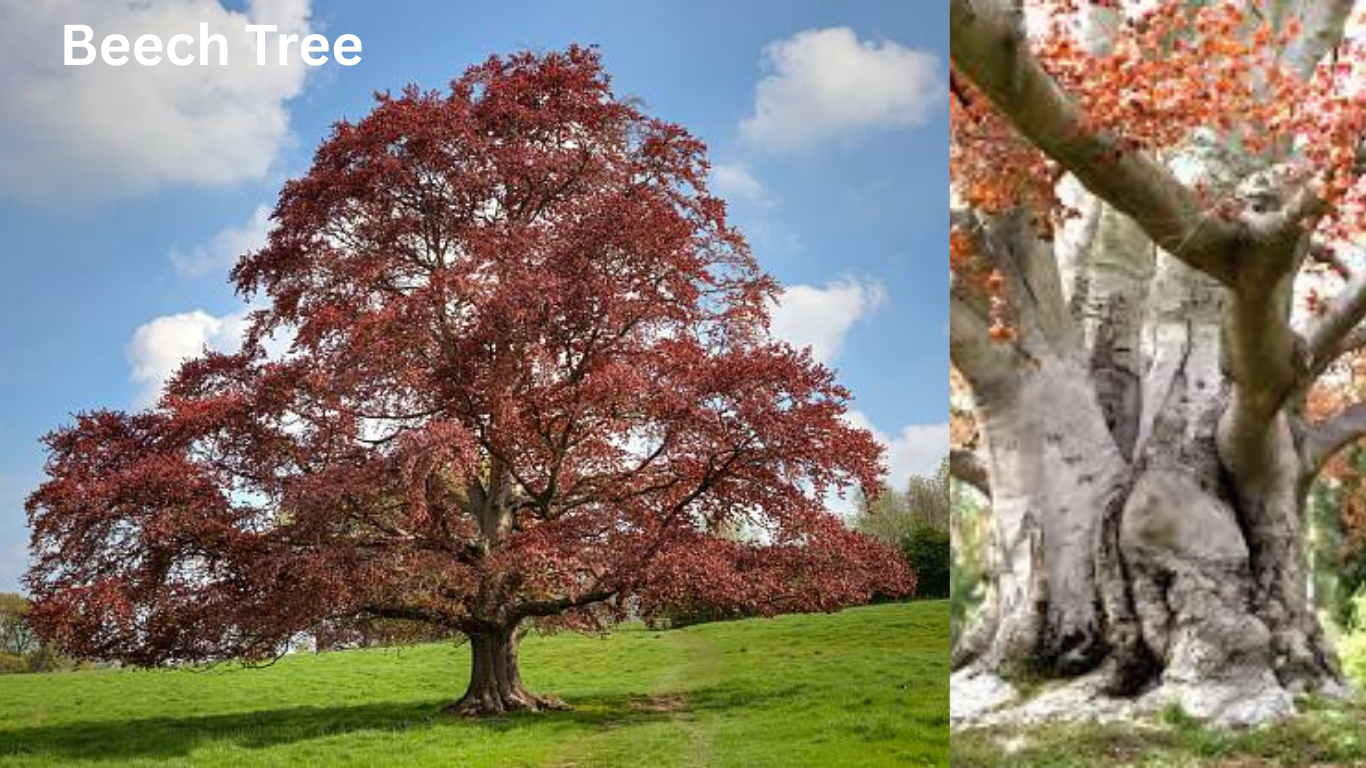
Beech Tree are typically found in temperate regions where the climate is moderate and rainfall is sufficient. They thrive in well-drained soil that retains moisture without becoming waterlogged.
Sunlight plays a crucial role in their growth. While young beech can tolerate partial shade, mature trees benefit from full sun exposure. Adequate sunlight helps maintain healthy leaf production and strong structural development.
Temperature stability also supports their longevity. Beech trees are known to live for several centuries, provided they are protected from extreme environmental stressors such as prolonged drought or severe soil compaction.
Ecological Importance of Beech Tree
Beech tree play a significant role in maintaining ecological balance within forest ecosystems. Their dense canopy creates a microclimate that supports a variety of plant and animal species.
The nuts produced by tree serve as an important food source for birds, squirrels, and other wildlife. These seeds contribute to biodiversity by supporting animal populations that rely on seasonal food availability.
In addition, beech tree help improve soil quality. Their leaf litter decomposes over time, enriching the soil with organic matter and promoting nutrient cycling within the ecosystem.
Common Uses of Beech Wood
Beech wood is valued for its strength, durability, and fine grain. It is widely used in furniture making, flooring, and cabinetry due to its smooth texture and resistance to wear.
In addition to furniture production, beech wood is often used for kitchen utensils and cutting boards. Its non-porous nature makes it suitable for food-related applications.
Beech is also commonly used as firewood. It burns efficiently and produces consistent heat, making it a practical choice for heating purposes in colder regions.
Benefits of Planting Beech Tree
Planting beech tree can enhance both environmental quality and property aesthetics. Their broad canopy provides shade that helps reduce ground temperature during hot weather.
They also act as natural windbreaks, protecting nearby plants and structures from strong winds. This feature makes them valuable in agricultural and landscaping settings.
Furthermore, beech trees contribute to carbon sequestration. By absorbing carbon dioxide from the atmosphere, they help mitigate the effects of climate change.
Caring for Beech Tree
Proper care is essential for maintaining healthy beech tree. Regular watering during dry periods ensures that their root systems remain hydrated.
Pruning should be performed carefully to remove damaged or diseased branches. This practice helps maintain structural integrity and promotes healthy growth.
Mulching around the base of the tree can improve moisture retention and protect roots from temperature fluctuations.
Challenges and Potential Threats
Despite their resilience, beech tree can face certain challenges. Pests and fungal diseases may affect their health if not addressed promptly.
Soil compaction is another concern, as it can restrict root growth and reduce nutrient absorption. Ensuring adequate soil aeration helps prevent this issue.
Environmental stress, such as pollution or prolonged drought, can also impact their vitality. Monitoring tree health regularly allows for early intervention when problems arise.
Landscaping with Beech Tree
Beech tree are a popular choice for landscaping due to their elegant appearance. They can be planted individually as focal points or arranged in rows to create natural boundaries.
Their dense foliage provides privacy and reduces noise pollution. This makes them suitable for urban environments where greenery is limited.
In addition, their seasonal color changes add visual interest throughout the year, enhancing the overall appeal of outdoor spaces.
Final Thoughts
The beech tree is a remarkable species that offers numerous ecological and practical benefits. From supporting wildlife to improving air quality, its contributions to the environment are substantial.
Its durable wood and aesthetic appeal make it valuable for both industrial and landscaping purposes. With proper care, can thrive for generations.
Understanding their growth requirements and environmental role helps ensure their preservation. Planting and maintaining beech trees is a meaningful step toward creating sustainable and beautiful landscapes.