Natalie Harp The Trusted Aide Who Became One of Trump Most Influential Confidantes

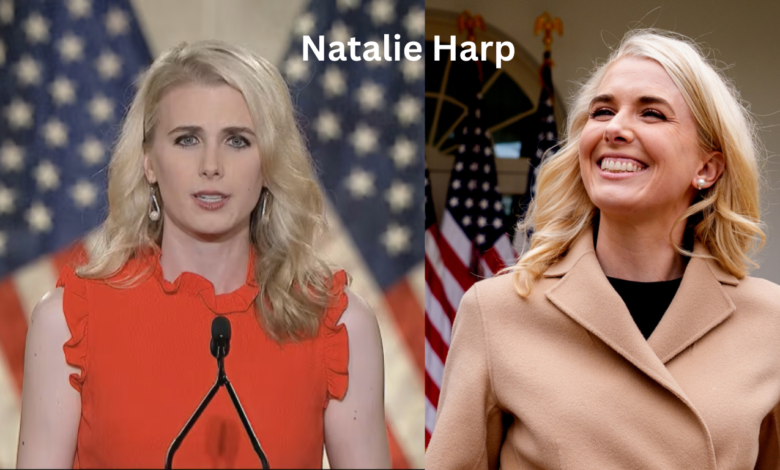
Natalie Harp Rise in Political Circles
Natalie Harp has emerged as one of the most intriguing and influential figures in Donald Trump’s inner circle, though she remains relatively unknown to the general public compared to other high-profile Trump advisers. Her journey from a conservative media personality to becoming what some have described as Trump’s “human printer” and constant companion represents a fascinating case study in political proximity and influence. Unlike many Trump associates who sought the spotlight, Harp has operated largely behind the scenes, wielding considerable influence through her unprecedented access to the former president.
What makes Natalie Harp story particularly interesting is how she transitioned from being a grateful supporter who credited Trump with saving her life to becoming an indispensable member of his post-presidency operation. Her role extends far beyond traditional aide duties—she’s been described as managing Trump’s information flow, screening what reaches him, and maintaining physical proximity that few others in his orbit can claim. This level of access and trust is remarkable in an organization known for high turnover and intense internal competition for the former president’s attention.
Understanding Natalie Harp background, her relationship with Trump, and the role she plays provides valuable insight into how Trump’s post-presidential operation functions and who holds real power within his inner circle. Her story also raises interesting questions about influence, access, and the nature of political power in the modern era, where traditional titles and positions sometimes matter less than personal relationships and physical proximity to decision-makers.
Natalie Harp Background and Early Career
Before becoming a fixture in Trump’s world, Natalie Harp built a career in conservative media, working as a correspondent and anchor for right-wing outlets. She worked for One America News Network (OAN), the conservative cable channel that became known for its strongly pro-Trump coverage and willingness to promote claims and narratives that even other conservative outlets questioned. At OAN, Harp developed her on-camera presence and honed her skills in conservative media messaging, building a profile within right-wing media circles.
Natalie Harp personal story became intertwined with her political identity through her experience with cancer. She has publicly stated that she was diagnosed with bone cancer and credits an experimental treatment—which she says became available due to Trump’s “Right to Try” legislation—with saving her life. This legislation, signed by Trump in 2018, allowed terminally ill patients to access experimental treatments that hadn’t yet received full FDA approval. Whether the treatment she received was directly enabled by this legislation has been debated, but Harp has consistently credited Trump personally with her survival.
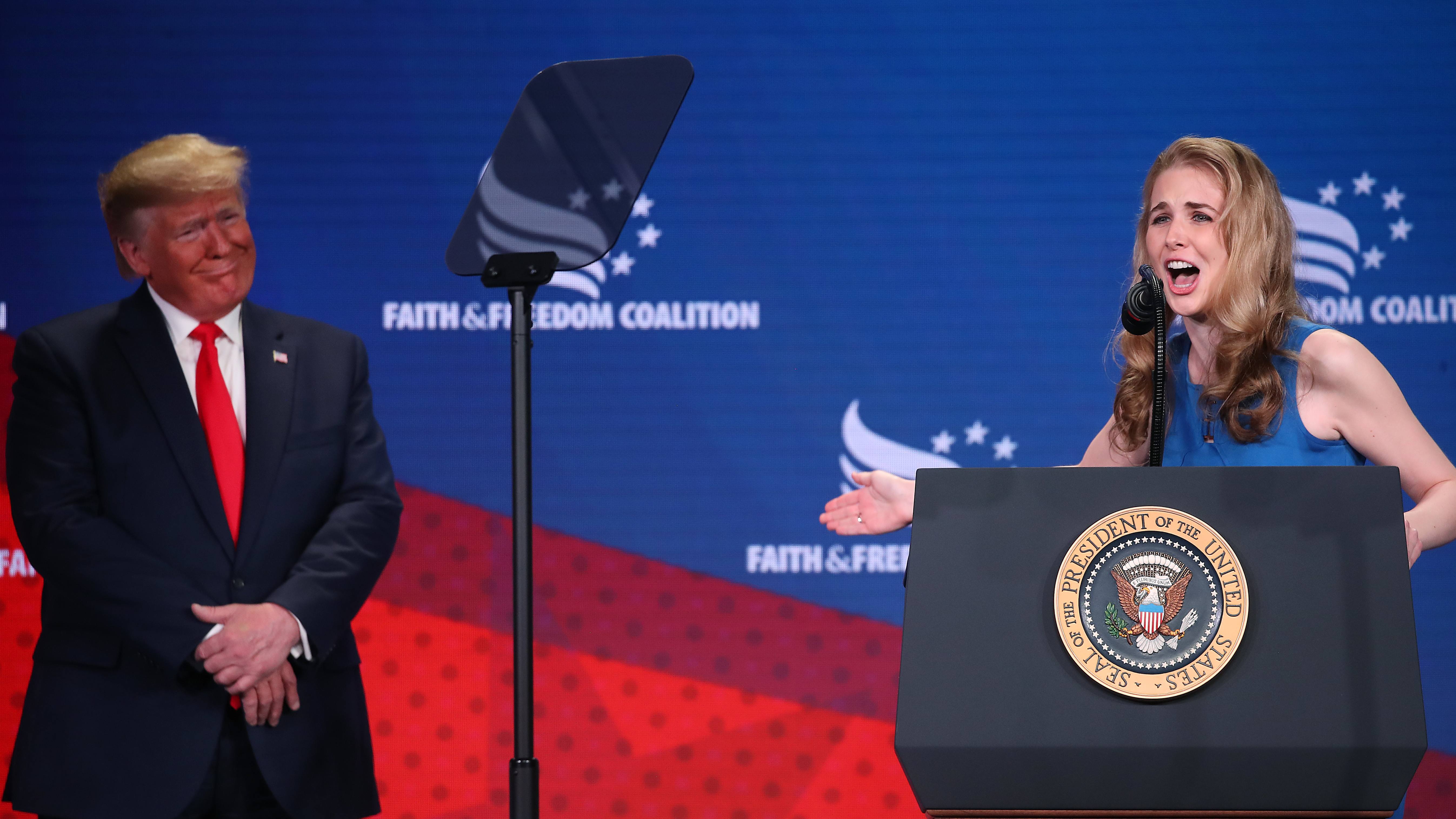
This personal narrative of gratitude became central to Harp’s relationship with Trump and his movement. She spoke at Trump rallies, sharing her story as a testimonial to Trump’s compassion and effectiveness as a leader. The emotional power of her story—a young woman crediting the president with literally saving her life—made her a compelling surrogate and apparently caught Trump’s attention in a way that led to a much deeper professional relationship than typical campaign surrogates experience.
Her Unique Role in Trump Post-Presidential World
After Trump left the White House in January 2021, Natalie Harp role evolved into something unprecedented and difficult to categorize using traditional political job descriptions. She became what insiders have variously described as a body person, personal aide, gatekeeper, and information manager—someone who is physically present with Trump throughout much of his day and controls significant aspects of his information environment. Reports suggest she prints out positive news articles, social media posts, and other information for Trump to read, earning her the nickname “the human printer.”
This role gives Harp extraordinary influence over what information reaches Trump and when. In an age where information flow is power, controlling what a principal sees, when they see it, and how it’s framed is tremendously significant. Former Trump aides and associates have noted that Harp’s constant presence means anyone wanting to reach Trump or influence his thinking often needs to go through her or ensure she’s aware of and supportive of their message. This gatekeeping function traditionally belongs to a chief of staff, but Harp operates with less formal structure and more personal proximity.
What particularly notable about Natalie Harp position is how it reflects Trump operational style and preferences. Trump has always valued personal loyalty above institutional experience or traditional qualifications, and he prefers receiving information in specific formats—particularly printed materials he can physically hold and annotate. Harp apparently understands these preferences intimately and has built her role around accommodating them. She travels with Trump regularly, maintains close physical proximity during his daily activities, and has become what some describe as an extension of Trump himself, anticipating his needs and managing his environment in ways that make her nearly indispensable.
The Nature of Her Influence and Access
Natalie Harp influence derives primarily from access rather than formal authority, which in many ways makes it more durable and less vulnerable to the organizational upheavals that have characterized Trump’s operations. She doesn’t hold a traditional title that would make her an obvious target for rivals or create clear accountability structures. Instead, her power flows from personal trust and proximity—resources that can’t easily be challenged or taken away by organizational restructuring.
This type of influence raises interesting questions about how power actually functions in political operations. Traditional political science focuses on formal roles, institutional structures, and clear chains of command. But Harp’s position demonstrates that in personalistic political organizations built around a single dominant figure, informal roles based on personal relationships can be equally or more important than formal positions. A chief of staff might have the title and organizational authority, but if they can’t reach the principal without going through someone like Harp, their actual power is constrained.
The access Natalie Harp enjoys has reportedly created tensions with other Trump associates and family members who find themselves competing for the former president’s attention and having to navigate around or through Harp to reach him. Some Trump world insiders have expressed frustration with what they perceive as Harp’s excessive gatekeeping or her influence over Trump’s information diet. However, the fact that Harp has maintained her position despite these tensions speaks to Trump’s satisfaction with the arrangement and his trust in her judgment and loyalty.
Comparisons to Other Presidential Aides and Body People
Throughout presidential history, there have been aides who wielded significant influence through personal proximity rather than formal position. Natalie Harp role invites comparisons to figures like Reggie Love (Barack Obama’s body man), Stephen Miller (who combined formal roles with unusual access to Trump), Hope Hicks (whose trusted relationship with Trump gave her outsized influence), and even historical figures like Harry Hopkins in FDR’s administration—people whose power derived from personal relationships with the president rather than their official titles.
What distinguishes Harp from many of these historical examples is the extent of her gatekeeping function and the degree to which she manages Trump’s information environment. Traditional body people handle logistics, scheduling, and physical needs—making sure the principal has what they need when they need it. While Harp certainly performs these functions, her role in curating and presenting information goes well beyond typical body person duties and enters territory usually reserved for senior advisers or chiefs of staff.
The post-presidential context also makes Natalie Harp role unique. Unlike White House aides who operate within institutional structures with defined roles, bureaucratic constraints, and oversight mechanisms, Harp operates in the much less structured environment of Trump’s post-presidential political operation. This gives her more flexibility but also less institutional support and definition. She’s essentially created a bespoke role tailored specifically to Trump’s preferences and working style, unconstrained by White House traditions or governmental regulations.
Public Appearances and Media Presence
Despite her significant behind-the-scenes influence, Natalie Harp maintains a relatively low public profile compared to other Trump associates. She occasionally appears in photographs at Trump events, usually positioned close to the former president, and sometimes surfaces in media reports about Trump’s operation, but she rarely gives interviews or seeks public attention. This low-profile approach seems deliberate and well-suited to her role—maintaining influence through access and trust rather than public visibility.
When Harp does appear publicly, it’s typically in supportive capacities at Trump rallies or events rather than as a spokesperson or public face of Trump’s operation. This is consistent with her function as a facilitator and enabler rather than a public advocate or surrogate. She’s developed a reputation for being protective of her access and relationship with Trump, avoiding actions that might jeopardize the trust she’s built or create public controversies that could complicate her position.
The limited public information about Natalie Harp has made her something of an enigmatic figure, with much of what’s known about her role coming from reports by journalists covering Trump or from other Trump associates speaking on background. This mystique arguably enhances her effectiveness—without public positions to defend or a media presence to maintain, she can focus entirely on her core function of managing Trump’s immediate environment and information flow without external distractions.
Implications for Trump Operation and Decision-Making
Understanding Natalie Harp role provides important context for understanding how Trump’s post-presidential operation functions and how decisions get made. If Harp is indeed managing much of Trump’s information flow, then understanding her judgments about what information to present and how to frame it becomes crucial to understanding what influences Trump’s thinking and decisions. This raises questions about whether Trump is receiving balanced information or whether his information diet is being curated in ways that might reinforce existing beliefs or exclude contrary perspectives.
The arrangement also reflects Trump’s consistent preference for a small circle of trusted loyalists over larger, more diverse advisory structures. Throughout his business career, presidency, and post-presidential activities, Trump has typically relied on a small number of people he trusts personally rather than building large, institutionalized advisory systems. Harp’s role fits perfectly into this pattern—she’s someone Trump apparently trusts completely, who understands his preferences, and who has demonstrated unwavering loyalty.
For those trying to influence Trump thinking or reach him with information, understanding Harp’s role is essential. Traditional lobbying approaches that might work with more institutionalized political operations may be less effective when a single trusted aide controls so much of the information environment. This creates a different dynamic where personal relationships and trust matter more than traditional credentials or institutional access.
The Broader Context of Political Influence and Access
Natalie Harp story illuminates broader truths about how political power and influence actually work, often in ways that differ significantly from civics textbook descriptions. Formal titles, organizational charts, and official positions matter, but in personalistic political operations, informal relationships and physical proximity can be equally or more important. The person who controls the principal’s calendar, manages their information flow, and maintains constant physical presence wields enormous influence regardless of their official title.
This dynamic isn’t unique to Trump operation—similar patterns appear throughout political history and in various organizational contexts. What makes it particularly visible and interesting in Trump’s case is the extent to which his operation diverges from traditional political structures, making the informal power relationships more obvious and consequential. In a more institutionalized operation, there would be more checks, balances, and alternative information channels. In Trump’s more personalistic structure, individual relationships carry outsized weight.
Understanding figures like Natalie Harp also reminds us that political power isn’t always wielded by the people with the biggest titles or the most public visibility. Sometimes the most influential people are those working behind the scenes, managing flows of information and access, building and maintaining trust, and anticipating needs before they’re explicitly stated. These roles require different skills than traditional political positions—less about public persuasion or policy expertise and more about interpersonal dynamics, emotional intelligence, and understanding the specific preferences and working styles of powerful individuals. Natalie Harp appears to have mastered these skills, securing a position of significant influence in one of the most unconventional political operations in modern American history.