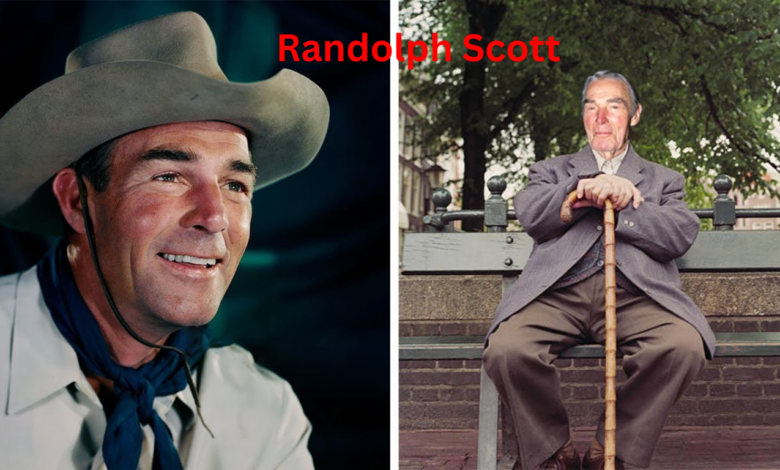
Randolph Scott is a name synonymous with the golden era of Hollywood, particularly in the Western genre. Known for his stoic demeanor, commanding screen presence, and rugged charm, Randolph Scott became one of the most recognizable faces in American cinema during the 1930s through the 1960s. His legacy as a leading man, particularly in Western films, continues to influence actors and filmmakers today.
From his early life and entry into Hollywood to his rise as a Western icon, the story of Randolph Scott is a fascinating look at the evolution of classic cinema. Beyond his on-screen persona, Scott was known for his professionalism, dedication to his craft, and ability to embody characters that resonated deeply with audiences of his time.
Understanding Randolph Scott’s career requires exploring his background, his most notable film roles, the defining characteristics of his performances, and the lasting impact he left on Hollywood and Western filmmaking.
Early Life and Background
Born on January 23, 1898, in Orange County, Virginia, Randolph Scott grew up in a privileged family with strong educational values. From a young age, he was encouraged to pursue higher education and personal development, eventually attending the University of Virginia. His initial career plans were far removed from Hollywood; he originally studied architecture and had ambitions in engineering.
During World War I, Randolph Scott served in the United States Army, an experience that helped develop the discipline and resilience that would later define his professional life. After the war, he transitioned to various careers before ultimately pursuing acting—a choice that would lead him to Hollywood.
His early experiences and formal education provided a solid foundation for his acting career. Randolph Scott’s background contributed to his ability to portray authoritative, confident characters, which later became his hallmark in Western and adventure films.
Entry into Hollywood and Early Career
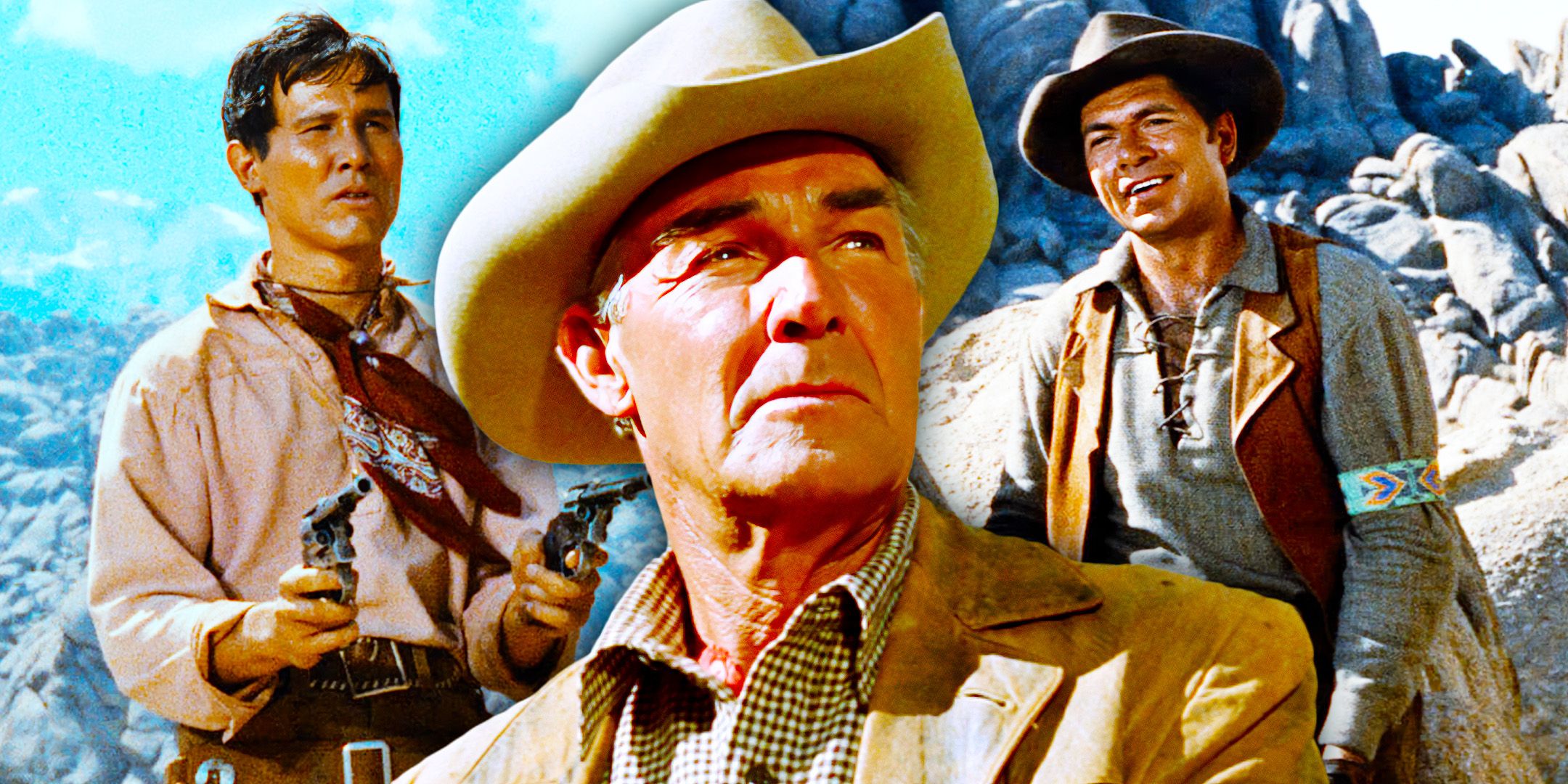
Randolph Scott entered Hollywood during a period of rapid growth and transformation in the film industry. Initially, he was cast in small supporting roles, but his striking presence and natural charisma quickly drew attention.
Early on, Scott appeared in silent films and early talkies, learning the nuances of screen acting. His tall, athletic build and composed demeanor made him particularly suited for adventure and Western roles, even before the genre fully dominated his career.
Throughout the 1920s and early 1930s, Randolph Scott honed his craft in supporting roles and minor films. This period of development allowed him to understand camera work, dialogue delivery, and the demands of working on set. His early dedication set the stage for the stardom he would achieve in the decades to follow.
Rise as a Western Film Icon
Randolph Scott career truly flourished when he transitioned to the Western genre. The Western became a cornerstone of American cinema, and Scott’s tall, commanding figure, combined with his calm yet intense demeanor, made him an ideal leading man.
Classic Westerns starring Randolph Scott often portrayed him as a morally upright, courageous, and stoic hero. Films such as Ride the High Country, Comanche Station, and The Tall T showcased his ability to convey strength and vulnerability simultaneously, creating characters that audiences could admire and relate to.
Scott’s performances were marked by subtlety and restraint. Unlike some actors who relied on exaggerated gestures or dialogue, Randolph Scott used quiet intensity to captivate viewers. This style became his trademark, influencing future generations of Western actors.
Notable Films and Collaborations
Throughout his career, Randolph Scott appeared in over 100 films, many of which became classics of the Western genre. Collaborations with top directors of the era, including Budd Boetticher, further cemented his legacy.
The Boetticher-Scott Westerns, often referred to as the “Ranown Cycle,” are particularly celebrated for their storytelling, cinematography, and moral complexity. Films like Ride Lonesome and Buchanan Rides Alone displayed Randolph Scott’s ability to carry nuanced characters while navigating themes of justice, revenge, and human morality.
Beyond Westerns, Randolph Scott also appeared in comedies, dramas, and adventure films. These roles demonstrated his versatility, but it was in Westerns that he left an indelible mark on Hollywood and popular culture.
Style Persona and Acting Approach
Randolph Scott was known for his understated and disciplined acting style. Unlike actors who relied on flashy performances, he used restraint and subtle expressions to communicate emotion and narrative tension. This approach gave his characters a sense of realism and relatability.
His persona off-screen also contributed to his screen presence. Scott was regarded as professional, dependable, and private, which allowed him to maintain focus on his craft. This professionalism earned him the respect of directors, co-stars, and fans alike.
Scott’s approach influenced many later Western actors, including Clint Eastwood and Lee Van Cleef, who admired his ability to project authority and vulnerability simultaneously. A Randolph Scott performance often required little dialogue yet conveyed profound depth, making his films memorable even decades after their release.
Legacy and Influence
The influence of Randolph Scott extends far beyond his filmography. He helped define the archetype of the Western hero—stoic, principled, and physically imposing yet morally grounded. This archetype became a template for countless Westerns that followed.
In addition to shaping the Western genre, Randolph Scott contributed to the broader image of the leading man in Hollywood. His combination of athleticism, charm, and moral integrity set a standard for how heroes could be portrayed on screen.
Even today, film enthusiasts, historians, and modern actors look to Randolph Scott as a benchmark of professionalism and screen presence. His films continue to be studied for their performances, storytelling techniques, and cinematic style.
Personal Life and Character
Off-screen, Randolph Scott was known for his private, disciplined lifestyle. He never sought the Hollywood limelight outside of his professional work, which allowed him to maintain focus on his craft.
He married Marion Mason in 1936, and the couple remained together for decades, exemplifying stability in an industry often marked by publicized personal dramas. Scott’s commitment to privacy and professionalism made him a respected figure among colleagues and fans alike.
His personal character—quiet, principled, and disciplined—echoed the qualities of many of his on-screen roles. This authenticity contributed to the enduring appeal of his performances.
Conclusion
Randolph Scott remains one of Hollywood’s most iconic Western stars, whose performances continue to resonate with audiences worldwide. Through his disciplined acting style, commanding presence, and dedication to craft, he set the standard for Western heroes and defined a generation of cinema.
From early supporting roles to his legendary Western films, Randolph Scott’s career demonstrates how talent, professionalism, and versatility can create a lasting legacy. He not only shaped the Western genre but also influenced Hollywood’s understanding of the leading man archetype.
For fans of classic cinema, a Randolph Scott film is more than just entertainment—it is a masterclass in understated performance, moral storytelling, and timeless charm. His influence endures, proving that true cinematic icons are defined not just by fame but by the quality, consistency, and authenticity of their work.