What Is Ethnicity The question ethnicity often arises in discussions about identity, culture, and society. Ethnicity is a complex concept that goes beyond just nationality or race. It encompasses shared traditions, language, history, and cultural practices that connect people to a specific community. Understanding what is ethnicity is essential to appreciate the rich diversity that exists across the world.
In this article, we will explore the meaning of ethnicity, its differences from race, the role it plays in society, and why it matters in our daily lives.
Defining Ethnicity What Is Ethnicity
When asking what is ethnicity, it’s important to recognize that it is not the same as race. Ethnicity refers to shared cultural traits, such as language, religion, ancestry, and social customs, that form a group’s identity.
For example, people may identify as Italian, Punjabi, or Yoruba, which represents their ethnic heritage rather than their race. ethnicity in this context is a reflection of cultural belonging rather than biological characteristics.
Ethnicity is fluid and can change over time. A person may identify with multiple ethnic backgrounds or adapt to a different cultural identity through migration, marriage, or social integration. This makes what is ethnicity a dynamic and personal aspect of identity.
The Difference Between Ethnicity and Race

Many people confuse the concepts of ethnicity and race. While What Is Ethnicity focuses on cultural traits, race typically refers to physical characteristics such as skin color, facial features, or ancestry.
For instance, two individuals may be of the same race, such as Asian, but have completely different ethnic backgrounds, like Japanese and Indian. Understanding ethnicity helps clarify that it is cultural, not biological.
Ethnicity allows people to connect with shared history, values, and traditions, while race is often used in societal categorizations. Both are important, but what is ethnicity provides a deeper insight into personal and community identity.
Components of Ethnicity
To fully answer what is ethnicity, it’s useful to look at its main components. These include language, religion, customs, traditions, and ancestral heritage. Each element contributes to the unique identity of an ethnic group.
Language is a primary factor. People who speak a common language often feel a sense of belonging to the same ethnic group. Religion and spiritual practices also play a major role in shaping shared beliefs and rituals.
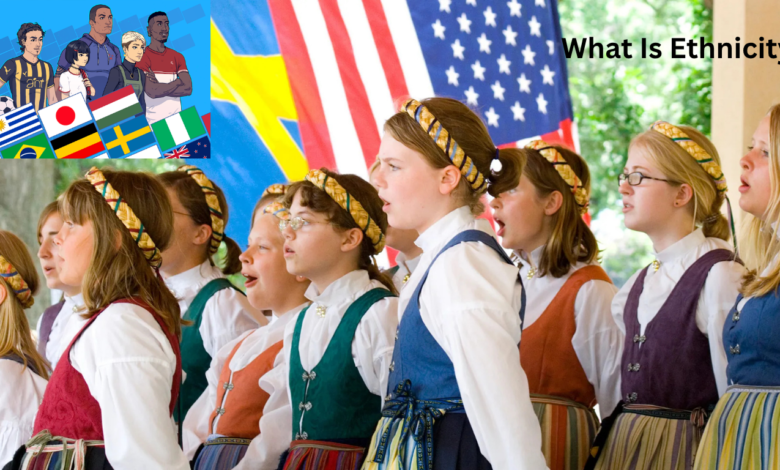
Customs and traditions, such as Festivals, clothing, and food, further define what is ethnicity. Ancestral heritage ties individuals to a historical lineage that strengthens community identity and continuity.
Why Ethnicity Matters
Understanding what is ethnicity is crucial for both individuals and society. On a personal level, ethnicity helps people develop a sense of identity, pride, and belonging. It connects them to their cultural roots and traditions.
In society, recognizing ethnicity promotes diversity and inclusion. When people understand what is ethnicity, they can appreciate the rich tapestry of cultures that coexist within communities, workplaces, and nations.
Ethnicity also influences social interactions, education, and policy-making. Governments often consider ethnic diversity when planning social programs, ensuring representation and fairness.
Examples of Ethnic Groups
To better understand what is ethnicity, it helps to look at examples of ethnic groups. Globally, there are thousands of distinct ethnic communities, each with unique cultural characteristics.
Examples include the Han Chinese, Zulu in South Africa, Navajo in the United States, and Basque in Spain. These groups maintain unique languages, traditions, and cultural practices that define their ethnicity.
By studying these examples, we can grasp what is ethnicity in practical terms and how it shapes identity, social cohesion, and cultural preservation.
Ethnicity and Identity
One of the most personal aspects of what is ethnicity is its connection to identity. People often define themselves through their ethnic background, which influences their worldview, values, and sense of belonging.
Ethnic identity can also impact choices related to lifestyle, education, and career. For instance, someone might participate in cultural festivals or learn their ancestral language to reinforce their ethnic identity.
Understanding what is ethnicity helps individuals explore their heritage and express themselves authentically in a multicultural world.
Challenges Related to Ethnicity
While what is ethnicity enriches societies, it can also pose challenges. Ethnic differences sometimes lead to misunderstandings, prejudice, or conflict, especially in regions with diverse populations.
Discrimination based on ethnicity can affect employment, education, and social inclusion. Recognizing what is ethnicity is the first step toward addressing these inequalities and promoting tolerance.
Promoting awareness about ethnic diversity encourages mutual respect and cooperation among communities. It also ensures that cultural heritage is preserved for future generations.
The Role of Ethnicity in Modern Society
Today, what is ethnicity plays a vital role in global interactions. Ethnic diversity shapes politics, media representation, business strategies, and even entertainment industries.
Multicultural societies benefit from the exchange of ideas, traditions, and perspectives. Understanding what is ethnicity fosters collaboration, creativity, and innovation by bringing different viewpoints together.
In a world that is increasingly interconnected, appreciating ethnicity helps people navigate cultural differences and strengthen social bonds.
Conclusion
The question what is ethnicity goes beyond a simple definition. Ethnicity is a combination of language, culture, traditions, and ancestral heritage that shapes individual and collective identity.
Recognizing ethnicity allows us to value diversity, promote inclusion, and understand the rich cultural mosaic of our world. Whether for personal exploration or social awareness, understanding what is ethnicity is essential in building a respectful and interconnected society.
By appreciating ethnicity, we celebrate not just who we are, but also the unique cultural heritage that connects us to our communities and history.