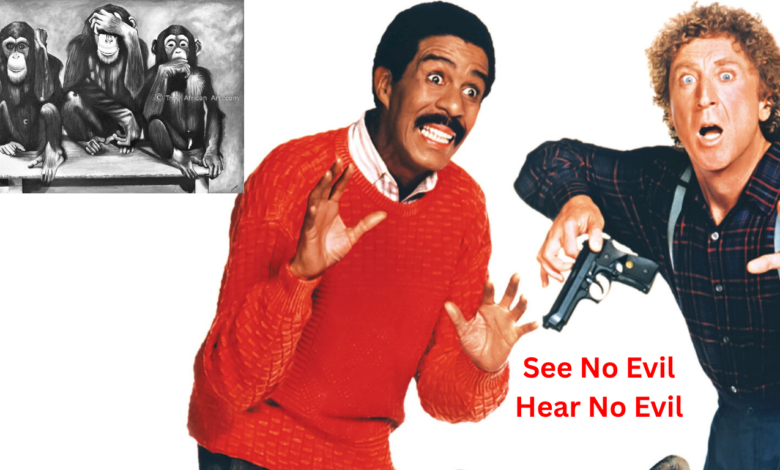
See No Evil Hear No Evil is one of those expressions that almost everyone has heard, yet not everyone fully understands. It is commonly associated with the famous three wise monkeys—Mizaru, Kikazaru, and Iwazaru—each representing a different principle: seeing no evil, hearing no evil, and speaking no evil.
At first glance, the phrase see no evil might sound like advice to ignore wrongdoing. However, its meaning is much deeper and rooted in ethical behavior, self-discipline, and moral awareness. It encourages individuals to avoid engaging with negativity, whether through what they see, hear, or say.
In this article, we will explore the origin, Deeper meaning, cultural significance, and modern interpretation of see no evil hear no evil. By the end, you’ll have a clearer understanding of how this simple phrase carries powerful life lessons.
Origin and Historical Background
The phrase see no evil hear no evil has its origins in ancient Japanese culture, particularly at the Tōshō-gū Shrine. This shrine features a famous carving of the three wise monkeys, which has become a global symbol of moral guidance.
Historically, the concept is believed to be influenced by teachings from Confucianism, which emphasizes ethical living and proper conduct. The monkeys were used as a visual representation to teach people how to maintain moral discipline in their daily lives.
Over time, the idea spread beyond Japan and became popular worldwide. Today, see no evil hear no evil is recognized across cultures, often used in conversations, literature, and even art to convey a message about morality and awareness.
Symbolism of the Three Wise Monkeys
To fully understand See No Evil Hear No Evil, it’s important to explore the symbolism behind the three wise monkeys. Each monkey represents a specific principle that contributes to a balanced and ethical life.
Mizaru covers his eyes, symbolizing “see no evil.” This suggests avoiding exposure to harmful or negative influences. It’s about being mindful of what you allow into your life visually.
Kikazaru covers his ears, representing “hear no evil.” This encourages people to avoid listening to gossip, negativity, or harmful speech. It promotes mental clarity and emotional well-being.
Iwazaru covers his mouth, symbolizing “speak no evil.” While not always included in the shortened phrase, this principle completes the message by encouraging positive and responsible communication.
Deeper Meaning of See No Evil Hear No Evil
The phrase see no evil hear no evil is often misunderstood. Some people interpret it as ignoring problems or pretending that wrongdoing doesn’t exist. However, its true meaning is more about personal responsibility and self-control.
Rather than turning a blind eye to injustice, the phrase encourages individuals to avoid participating in negativity. It’s about choosing not to engage with harmful behaviors, whether that means avoiding toxic environments or refusing to spread negativity.
In a broader sense, see no evil hear no evil promotes mindfulness. It reminds us to be aware of the impact that our surroundings and interactions have on our thoughts and actions. By filtering out negativity, we can maintain a healthier mindset.
Modern Usage and Interpretations
In today’s world, see no evil hear no evil is used in a variety of contexts. It can be found in conversations, social media, and even entertainment, often carrying slightly different meanings depending on the situation.
Sometimes, the phrase is used humorously to describe someone pretending not to notice something obvious. Other times, it is used critically to point out when people ignore important issues. This dual usage shows how flexible and relevant the phrase remains.
In modern society, see no evil hear no evil can also be seen as advice for managing information overload. With constant exposure to news and social media, choosing what to see and hear has become more important than ever.
Cultural Impact and Popular References
The influence of see no evil hear no evil extends far beyond its original cultural roots. It has inspired artwork, literature, and even films, becoming a widely recognized symbol across the globe.
One notable example is the movie See No Evil, Hear No Evil, which brought the phrase into mainstream entertainment. While the film takes a comedic approach, it highlights how deeply embedded the concept is in popular culture.
The three wise monkeys are also frequently used in emojis and visual media, making the message of see no evil hear no evil easily recognizable even in digital communication. This widespread use keeps the phrase relevant in modern times.
Practical Lessons from See No Evil Hear No Evil
Applying the principles of see no evil hear no evil in daily life can lead to positive changes. It’s not about avoiding reality but about making conscious choices that support personal growth and well-being.
For example, limiting exposure to negative content can improve mental health. Whether it’s avoiding toxic social media or staying away from harmful conversations, these small changes can have a big impact.
Another practical lesson is the importance of communication. Choosing not to engage in gossip or negativity aligns with the broader message of the phrase. It encourages kindness, respect, and thoughtful interaction with others.
Common Misinterpretations to Avoid
Despite its positive message, see no evil hear no evil is sometimes misunderstood. One common misconception is that it promotes ignorance or denial of real-world problems.
In reality, the phrase is about selective engagement, not avoidance. It encourages people to be aware of issues while choosing not to contribute to negativity or harmful behavior.
Another misunderstanding is that it discourages action. On the contrary, understanding see no evil hear no evil correctly can inspire more thoughtful and responsible actions, as it emphasizes awareness and ethical decision-making.
Final Thoughts on See No Evil Hear No Evil
The phrase see no evil hear no evil may seem simple, but it carries a powerful message that has stood the test of time. Rooted in cultural and philosophical traditions, it continues to offer valuable insights into human behavior and ethics.
By understanding its true meaning, we can apply its principles in a way that enhances our lives. Whether it’s through mindful consumption of information or positive communication, the lessons of see no evil hear no evil remain highly relevant.
Ultimately, this timeless phrase reminds us that what we choose to see, hear, and say shapes our reality. By making conscious choices, we can create a more positive and meaningful life experience.