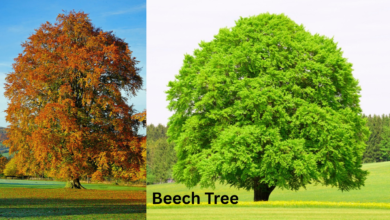
Beech Tree Bark An Expert Guide to Its Characteristics, Uses, Ecological Significance, and Care

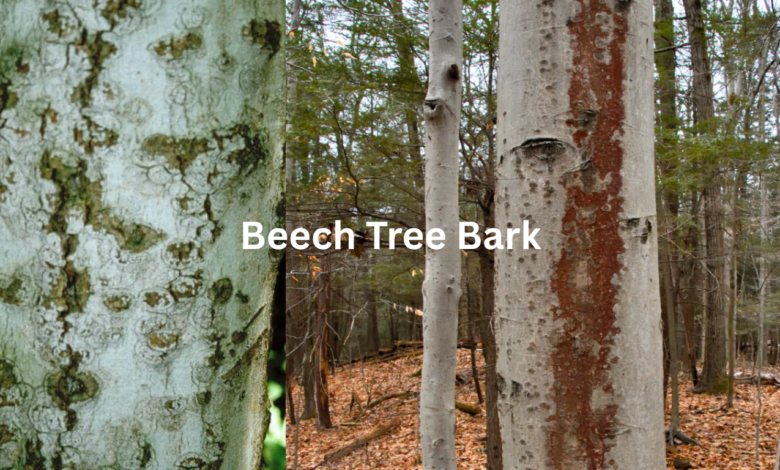
Beech Tree Bark The beech tree is widely admired for its smooth, elegant appearance and its ability to thrive in temperate forests and landscaped environments. One of the most distinguishing features of the beech tree is its bark. Unlike the rough, fissured bark seen in many other tree species, the beech tree’s bark is smooth, silvery-gray, and almost polished in appearance. This unique characteristic not only gives the tree its signature aesthetic but also plays a vital role in the tree’s biology and interaction with its environment.
Beech tree bark is more than just a visual feature; it serves multiple ecological, protective, and practical functions. From supporting wildlife to providing raw materials for various uses, the bark of the beech tree has fascinated botanists, gardeners, and nature enthusiasts for centuries. In this article, we will explore the composition, ecological importance, uses, and care of beech tree bark in a detailed, expert-level discussion.
Physical Characteristics of Beech Tree Bark
The most immediately noticeable feature of beech tree bark is its smooth texture. Unlike oak or maple trees, which develop deeply fissured bark as they mature, the beech tree maintains a sleek, almost porcelain-like surface throughout much of its life. Young beech trees exhibit a light gray, unblemished bark that becomes subtly darker with age.
Another characteristic is the Beech Tree Bark relative thinness. While it provides protection against certain environmental hazards, it is more vulnerable to physical damage than thicker-barked species. Its smooth surface can reflect sunlight, helping to regulate temperature and protect underlying tissues from stress.
The bark is also highly uniform in color, generally a soft gray, which enhances its ornamental appeal in landscaped areas. The smoothness and subtle coloration make the beech tree instantly recognizable, even from a distance, and contribute to its popularity as a specimen tree in parks and private gardens.
Ecological Significance of Beech Tree Bark
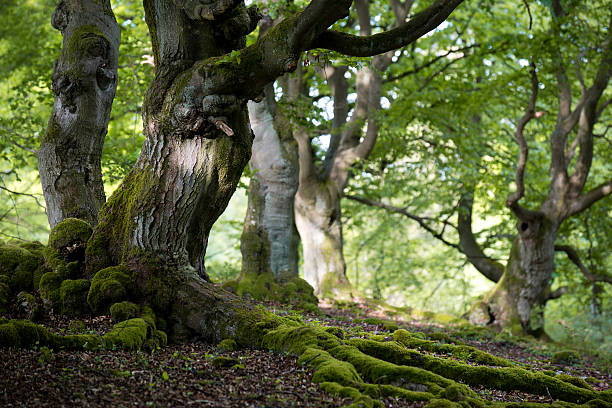
Beech Tree Bark is not just aesthetically pleasing; it plays an important ecological role. Its smooth surface can serve as a substrate for mosses, lichens, and fungi, which in turn support microhabitats for insects and small invertebrates.
The bark also provides some protection against pests and pathogens. While its thin nature makes it susceptible to damage, it contains chemical compounds that deter certain insects and reduce fungal infestations. This protective role helps maintain the overall health and longevity of the tree.
Additionally, wildlife often interacts with beech tree bark. Animals such as deer, squirrels, and various birds may rub, scratch, or forage around the bark, relying on it as a source of minerals or as a convenient structure for movement and foraging.
Growth Patterns and Bark Development
As beech trees mature, their bark develops subtle changes that reflect the Beech Tree Bark age and environmental conditions. While it remains generally smooth, it may develop shallow horizontal ridges or slight discolorations, adding texture and character.
Unlike many other species, beech trees do not form deeply fissured or peeling bark over time. This consistent smoothness helps reduce the accumulation of debris, minimizing areas where pests or pathogens might establish themselves.
The uniformity of the Beech Tree Bark also aids in efficient water runoff, preventing prolonged moisture retention that could lead to fungal infections. Understanding these growth patterns is important for both ecologists studying forest health and gardeners managing landscape beech trees.
Practical Uses of Beech Tree Bark
Beech tree bark has historically been used for a variety of practical purposes. Its smooth texture and durability make it suitable for crafting small containers, decorative items, or even traditional medicines in some cultures.
In modern applications, bark extracts are sometimes used in herbal remedies and as natural dyes. While not as commonly utilized as the wood, the bark’s properties—such as tannins—have industrial and artisanal value.
Additionally, the bark can provide raw material for mulch and composting in sustainable gardening practices. Shredded bark enriches the soil while helping retain moisture and suppress weeds, demonstrating its usefulness beyond ornamental appeal.
Caring for Beech Tree Bark
Maintaining the health of beech tree bark is essential for overall tree vitality. One of the key considerations is protecting it from physical damage. Because the bark is relatively thin, mechanical injuries from lawn equipment, animals, or construction activities can leave the tree vulnerable to infections.
Regular monitoring for signs of disease or pest infestations is also important. While the bark has some natural defenses, early detection of fungal growth or insect activity allows for prompt intervention, ensuring the tree remains healthy.
Mulching around the base of the tree can protect roots and lower bark from extreme temperatures and mechanical damage. Proper watering and soil management also indirectly support bark health by maintaining overall tree vigor.
Pests and Challenges Affecting Beech Tree Bark
Despite its natural resilience, beech tree bark can face threats from both biotic and abiotic factors. Insects such as bark beetles or scale insects can penetrate the outer layer, causing localized damage and potentially impacting tree health.
Fungal pathogens may also establish themselves on damaged areas, leading to rot or decay. While healthy bark often resists infection, compromised sections should be treated carefully to prevent spread.
Environmental stressors such as drought, pollution, and extreme temperatures can also weaken bark integrity. Ensuring proper care and monitoring helps mitigate these challenges, allowing the beech tree to thrive for decades.
Beech Tree Bark in Landscaping and Ornamental Use
Beech trees, with their smooth gray bark, are highly valued in ornamental landscaping. Their striking appearance makes them excellent focal points in gardens, parks, and arboretums. The bark contrasts beautifully with seasonal foliage, especially during autumn when the leaves turn vibrant shades of gold, bronze, and orange.
The bark’s visual appeal also supports artistic and photographic endeavors. Garden designers often use beech trees to frame pathways, create natural screens, or provide year-round structure in landscape designs.
Beyond aesthetics, beech bark contributes to a sense of maturity and stability in outdoor spaces, making it a versatile and desirable choice for both private and public landscapes.
Final Thoughts
Beech tree bark is far more than a simple protective layer; it is a defining feature of one of the most elegant and ecologically significant tree species. Its smooth texture, uniform color, and subtle patterns contribute to both the tree’s aesthetic appeal and functional resilience.
From supporting wildlife to providing raw materials for practical and decorative uses, the bark plays an integral role in both natural and human-designed environments. Proper care and maintenance are essential to preserve its health and ensure the longevity of the tree.
Understanding the unique characteristics of beech tree bark allows gardeners, ecologists, and nature enthusiasts to appreciate its beauty, functionality, and ecological importance. For anyone seeking to study or plant beech trees, the bark is a window into the fascinating world of this iconic species.