Understanding Beef Tallow
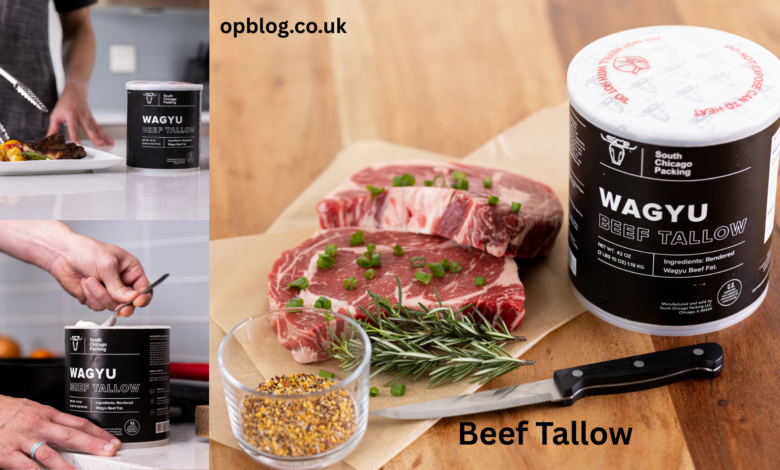
Beef Tallow is a traditional animal fat rendered from beef, usually taken from the suet around a cow’s kidneys and loins. For centuries, it was a staple in kitchens, skincare routines, and even industrial applications. Long before modern vegetable oils became popular, beef tallow was widely used for cooking, frying, and preserving food.
In recent years, has made a strong comeback, especially among people interested in traditional diets, natural skincare, and whole-food lifestyles. Many are rediscovering it as a nutrient-dense fat that aligns with ancestral eating patterns. This renewed interest has sparked conversations about health, sustainability, and the benefits of using animal-based fats over highly processed alternatives.
This article takes a deep dive into beef tallow—what it is, how it’s made, its nutritional profile, uses, benefits, and why it’s once again gaining popularity in modern households.
What Is Beef Tallow
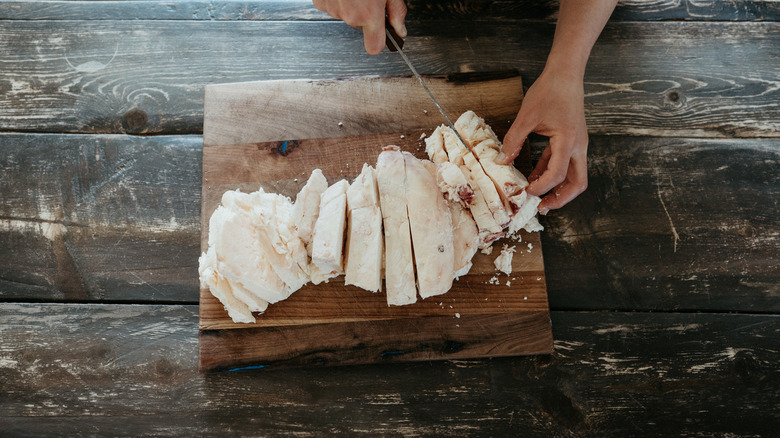
Beef Tallow is a rendered form of beef fat, meaning the fat is slowly cooked to separate it from connective tissue, impurities, and moisture. Once rendered and strained, it becomes a smooth, solid fat at room temperature with a creamy white or pale yellow appearance.
Unlike raw fat, tallow is shelf-stable when properly prepared and stored. This made it incredibly valuable in the past, especially before refrigeration was common. Its long shelf life and resistance to spoilage allowed families to store and reuse it for extended periods.
What sets apart from many modern cooking oils is its simplicity. It contains no additives, preservatives, or industrial processing steps when made traditionally, making it appealing to those who prefer minimally processed foods.
The History of Beef Tallow
Historically, beef tallow was one of the most widely used fats in the world. It played a crucial role in cooking, candle-making, soap production, and even waterproofing leather. In many cultures, wasting animal fat was unthinkable, as it was considered one of the most valuable parts of the animal.
During the early 20th century, was commonly used in commercial kitchens and fast-food restaurants for frying. Its high smoke point and stability made it ideal for deep frying, producing crispy, flavorful food.
However, its popularity declined with the rise of vegetable oils and concerns about saturated fat. Marketing campaigns and shifting dietary guidelines pushed plant-based oils to the forefront, causing traditional fats like to fall out of favor—until recently.
How Beef Tallow Is Made
Making beef tallow involves a simple but careful process called rendering. The raw beef fat is chopped into small pieces and slowly heated over low heat. As it melts, the fat separates from the solid bits and moisture.
The key to high-quality tallow is patience. Slow rendering prevents burning and preserves the fat’s natural properties. Once fully melted, the liquid fat is strained through a fine mesh or cloth to remove impurities.
After cooling, the tallow solidifies into a smooth, firm texture. Properly rendered has a mild scent and can be stored for months, or even longer when refrigerated. This traditional process requires no chemicals, making it one of the most natural fats available.
Nutritional Profile of Beef Tallow
Beef tallow is primarily composed of saturated and monounsaturated fats. These fats are known for their stability, especially when exposed to heat. Unlike polyunsaturated fats found in many vegetable oils, tallow is less prone to oxidation.
It also contains fat-soluble vitamins such as vitamins A, D, E, and K, particularly when sourced from grass-fed cattle. These nutrients play important roles in immune function, bone health, and skin health.
While is calorie-dense, it can be part of a balanced diet when used in moderation. Many nutrition experts now recognize that natural saturated fats, when consumed as part of a whole-food diet, are not inherently harmful.
Cooking with Beef Tallow
One of the most popular modern uses of is cooking. Its high smoke point makes it ideal for frying, roasting, and sautéing. Foods cooked in often develop a rich, savory flavor that enhances taste without overpowering it.
Beef tallow is especially loved for making crispy potatoes, fried eggs, and roasted vegetables. It also performs well in high-heat cooking where other oils might break down or produce unpleasant flavors.
Because it is stable and reusable, many cooks appreciate its practicality. After frying, tallow can be strained and reused multiple times, making it both economical and efficient in the kitchen.
Beef Tallow in Traditional and Modern Diets
Beef tallow has deep roots in traditional diets around the world. In ancestral and indigenous cultures, animal fats were prized for their energy density and nutritional value. These fats supported physically demanding lifestyles and harsh climates.
Today, is popular among followers of paleo, keto, and carnivore diets. These eating patterns emphasize whole, unprocessed foods and often include animal fats as a primary energy source.
The renewed interest in also reflects a broader shift toward questioning highly processed foods. Many people are seeking alternatives that feel more natural and aligned with human history.
Beef Tallow for Skincare and Personal Care
Beyond the kitchen, beef tallow has gained attention in natural skincare. Its fatty acid profile closely resembles that of human skin, making it highly compatible and easily absorbed.
Tallow-based balms and creams are often used for moisturizing dry skin, soothing irritation, and supporting the skin barrier. Because it contains vitamins A and E, it may help promote skin repair and overall skin health.
People with sensitive skin often prefer tallow-based products because they contain minimal ingredients and no synthetic fragrances. This simplicity reduces the risk of irritation and allergic reactions.
Sustainability and Ethical Considerations
Beef tallow is often viewed as a sustainable fat because it utilizes a byproduct of meat production. Instead of discarding animal fat, rendering it into tallow honors a nose-to-tail approach that minimizes waste.
When sourced from grass-fed or responsibly raised cattle aligns with more ethical and environmentally conscious farming practices. Supporting such sources encourages better animal welfare and land management.
Compared to some industrial vegetable oils that require extensive processing and large-scale monoculture farming, beef tallow can be a more environmentally balanced option when consumed thoughtfully.
Common Myths About Beef Tallow
One common myth is that beef tallow is unhealthy simply because it contains saturated fat. Modern research has shown that the relationship between saturated fat and health is more complex than previously believed.
Another misconception is that tastes overpoweringly “beefy.” In reality, well-rendered tallow has a mild flavor that enhances food without dominating it.
Some also assume is outdated or impractical. In truth, its versatility and stability make it highly functional for both cooking and non-food uses even today.
Is Beef Tallow Right for You
Whether beef tallow is right for you depends on your dietary preferences, health goals, and ethical considerations. For those seeking traditional, minimally processed fats, it can be an excellent option.
As with any fat, moderation is key. Incorporating alongside a variety of whole foods ensures balance and nutritional diversity.
If you value simplicity, stability, and a connection to traditional food practices, beef tallow may be worth adding back into your lifestyle.
Conclusion Why Beef Tallow Is Making a Comeback
Beef tallow is more than just an old-fashioned cooking fat—it’s a versatile, nutrient-rich ingredient with a long history and renewed relevance. From cooking and skincare to sustainability and traditional diets, its benefits extend far beyond the kitchen.
As people become more conscious of food quality and processing, stands out as a reminder that older practices often hold lasting wisdom. Its comeback reflects a broader movement toward whole foods, mindful consumption, and respect for natural resources.