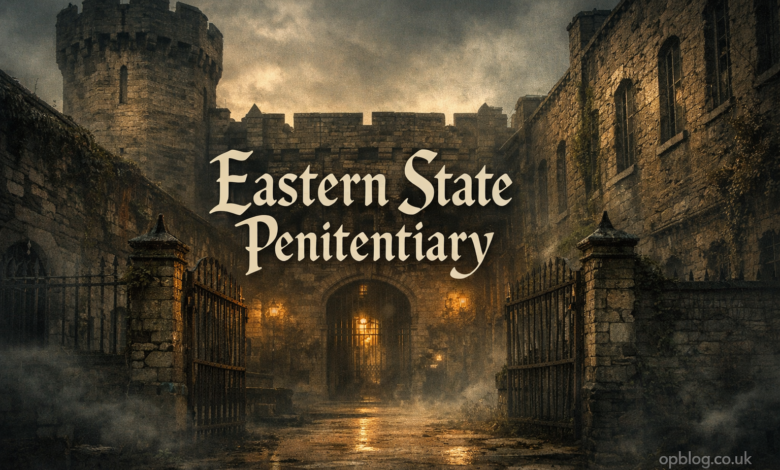
To Eastern State Penitentiary
Eastern State Penitentiary is one of the most iconic and historically significant prisons in the United States. Located in Philadelphia, Pennsylvania, this former prison stands out for its revolutionary design and its influence on modern correctional facilities worldwide. Built in 1829, it introduced the concept of solitary confinement as a form of rehabilitation, rather than just punishment, which was revolutionary for its time.
The penitentiary operated for over 140 years and housed some of the nation’s most notorious criminals, including the infamous gangster Al Capone. Its unique architecture, strict rules, and emphasis on solitary reflection made it a model for prisons both in the United States and abroad. Today, Eastern State Penitentiary is a museum and historic site, attracting visitors interested in history, criminal justice, and architecture.
Despite its grim purpose, the site has become a cultural landmark. Its Gothic-style architecture, long abandoned cell blocks, and eerie atmosphere have made it a popular destination for tourists and ghost hunters alike. The penitentiary offers a fascinating glimpse into the evolution of the American prison system while simultaneously captivating the imagination with its haunting presence.
The History and Construction of Eastern State Penitentiary
Eastern State Penitentiary was conceived as part of a movement to reform the American penal system. In the early 19th century, prisons were overcrowded, violent, and offered little in the way of rehabilitation. Architect John Haviland designed the penitentiary with the revolutionary idea that solitary confinement and silence could encourage prisoners to reflect on their crimes and reform.
Construction began in 1821 and continued over several years, resulting in a sprawling complex with radial cellblocks extending from a central hub. This “wagon wheel” layout allowed guards to monitor multiple cellblocks from a single point, an innovative design for its time. The architecture was imposing, combining Gothic elements with a practical layout aimed at control and surveillance.
Over time, Eastern State Penitentiary became both admired and criticized. While the concept of solitary confinement was intended to promote reform, many prisoners suffered from psychological distress due to extreme isolation. Nevertheless, the penitentiary set a standard for modern correctional architecture and influenced the design of prisons across the world.
Architecture and Design Features
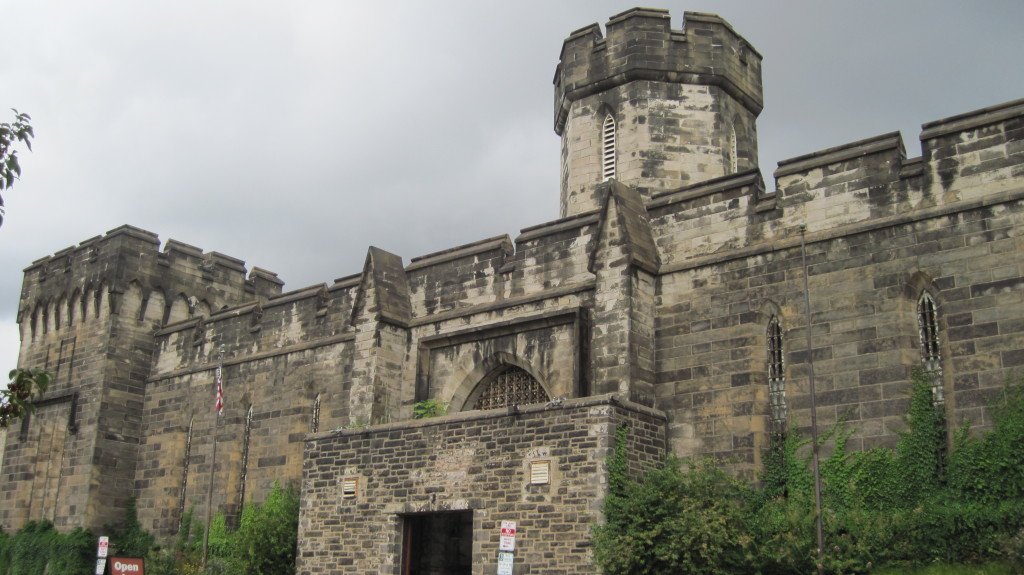
One of the most striking aspects of Eastern State Penitentiary is its architecture. The Gothic-style exterior, complete with turrets, arched windows, and stone walls, makes the prison look more like a castle than a place of punishment. This deliberate design choice conveyed both authority and intimidation, symbolizing the power of the justice system.
Inside, the radial layout of cellblocks is a key feature. Each cell was designed for solitary confinement, with high ceilings, small windows, and heavy doors. Prisoners were expected to remain silent, work in their cells, and attend religious instruction—all part of the reform-focused approach to incarceration. The layout minimized interaction between inmates, reflecting the philosophy that solitude could lead to moral rehabilitation.
Other features included workshops, exercise yards, and guard towers strategically placed for surveillance. Eastern State Penitentiary was technologically advanced for its time, with systems for heating, plumbing, and security that were considered state-of-the-art. The combination of practical innovation and architectural grandeur made it a model prison in the 19th and early 20th centuries.
Notable Inmates and Infamous Stories
Eastern State Penitentiary housed some of the most notorious criminals in American history. Al Capone, the legendary Chicago gangster, spent several years at the penitentiary during the 1920s. Capone was given special privileges due to his wealth and status, including a relative degree of comfort in his cell, yet he still experienced the isolation that defined the penitentiary’s philosophy.
Other infamous inmates included bank robbers, political prisoners, and individuals involved in organized crime. The penitentiary’s records reveal stories of escape attempts, riots, and the extreme psychological toll of prolonged solitary confinement. These tales contribute to the penitentiary’s haunting reputation and offer a human perspective on the challenges of incarceration during this era.
The prison also has numerous ghost stories associated with it. Visitors and staff report hearing unexplained footsteps, voices, and other eerie sounds, particularly in the abandoned cellblocks. While these stories are anecdotal, they have contributed to Eastern State Penitentiary’s reputation as one of the most haunted sites in America.
Eastern State Penitentiary as a Museum and Tourist Destination
After closing in 1971, Eastern State Penitentiary was preserved as a historic site and converted into a museum. Today, visitors can explore the crumbling cellblocks, guard towers, and exercise yards while learning about the history of the American penal system. Interactive exhibits provide context about prison life, the evolution of criminal justice, and notable inmates.
The museum also offers guided tours and special seasonal events, including its popular Halloween haunted attractions. These events combine education and entertainment, allowing visitors to experience the penitentiary’s eerie atmosphere while learning about its history. Photography enthusiasts are also drawn to the site, thanks to its dramatic Gothic architecture and atmospheric lighting.
Educational programs and community outreach efforts help reinforce the penitentiary’s role as a teaching tool. By preserving the history and architecture of Eastern State Penitentiary, the museum encourages discussions about criminal justice, rehabilitation, and the ethical implications of solitary confinement.
The Cultural and Historical Significance
Eastern State Penitentiary is more than just a former prison—it is a symbol of innovation, controversy, and cultural impact. Its design influenced prison architecture globally, inspiring facilities in Europe and the Americas. The concept of solitary confinement, while debated today, was considered groundbreaking at the time and remains a topic of study in criminal justice programs.
The penitentiary also represents the tension between punishment and rehabilitation in the American prison system. Its history illustrates how reform-focused philosophies were implemented, challenged, and sometimes failed, providing important lessons for modern correctional practices.
Additionally, Eastern State Penitentiary has inspired filmmakers, writers, and artists. Its haunting aesthetic, historical significance, and human stories have appeared in documentaries, books, and even television series, cementing its place in American cultural consciousness.
Visiting Eastern State Penitentiary Today
Visiting Eastern State Penitentiary is a unique experience that combines history, architecture, and intrigue. The museum is open to the public year-round, with both self-guided and guided tours available. Audio guides, interactive exhibits, and special programs provide visitors with insight into the lives of inmates, the design of the prison, and the evolution of the criminal justice system.
Visitors are encouraged to explore the abandoned cellblocks, walk along the exercise yards, and learn about the stories behind the walls. Seasonal events, particularly during Halloween, provide an immersive experience that blends education with entertainment, attracting both local and international tourists.
For historians, architecture enthusiasts, and casual visitors alike, Eastern State Penitentiary offers a window into the past. Its preserved structure allows people to witness the physical embodiment of 19th-century correctional philosophy while appreciating the Gothic architecture and historical artifacts.
Final Thoughts on Eastern State Penitentiary
Eastern State Penitentiary stands as a testament to the evolution of the American penal system. From its revolutionary design and focus on solitary confinement to its role as a cultural landmark and museum, it offers a unique perspective on history, architecture, and human psychology.
Whether you are interested in criminal justice, architectural innovation, or the macabre allure of haunted locations, Eastern State Penitentiary has something to offer. Its blend of history, storytelling, and atmosphere makes it a must-visit site for anyone exploring Philadelphia or interested in the evolution of prisons.
In the end, Eastern State Penitentiary is more than just a prison—it is a historical and cultural icon, reminding us of the complex relationship between punishment, rehabilitation, and human experience.