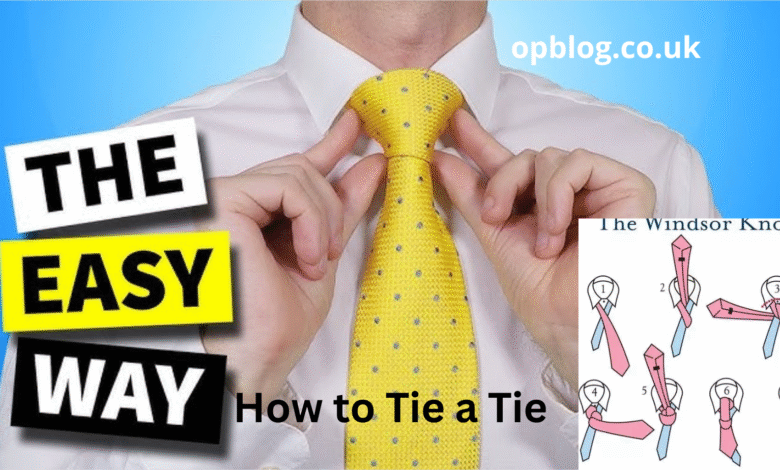
Why Knowing How to Tie a Tie Still Matters
How to Tie a Tie in today’s fast-paced and often casual world, the sight of a perfectly tied tie still makes a lasting impression. Whether you’re dressing for a job interview, a wedding, or a formal dinner, knowing how to tie a tie is one of those timeless skills that sets you apart. It’s not just about looking sharp—it’s about confidence, attention to detail, and presenting yourself with style.
Many people, especially in the age of YouTube and clip-on accessories, underestimate how much of an impact a well-tied tie can make. But here’s the truth: a properly knotted tie can elevate even a simple outfit into something sophisticated. It communicates professionalism, care, and a touch of class that never goes unnoticed.
Learning to tie a tie isn’t as intimidating as it seems. With a bit of patience and practice, you can master several different knots that fit every occasion and personal style. From the classic Windsor to the casual Four-in-Hand, this guide will walk you through everything you need to know about how to tie a tie—step by step, knot by knot.
Understanding the Basics The Anatomy of a Tie

Before we jump into the techniques, it’s helpful to How to Tie a Tie what makes up a tie. At first glance, a tie may seem like a simple strip of fabric, but there’s actually a bit more to it. Knowing its parts helps you tie it neatly and adjust it properly every time.
A tie has two main ends: the wide end (the part that’s most visible when worn) and the narrow end (which stays behind). Most knots are formed by wrapping the wide end around the narrow end in specific patterns. The way these ends are crossed, looped, and pulled determines the final look and tightness of your knot.
Another important part is the tie’s seam and lining. High-quality ties are carefully stitched and lined to maintain their shape. When tying a knot, make sure you don’t twist or wrinkle the fabric—doing so can ruin the tie’s structure and appearance. Always tie your knot gently, keeping the lines smooth and clean.
Lastly, don’t overlook the tie length. When properly tied, the tip of the tie should rest right at the center of your belt buckle. Too long or too short, and the balance of your outfit feels off. With these basics in mind, you’re ready to dive into the world of tie knots.
The Classic Four-in-Hand Knot Effortless and Timeless
If you’re learning how to tie a tie for the first time, start with the Four-in-Hand Knot. It’s one of the oldest and most popular knots—simple, slightly asymmetrical, and perfect for almost any occasion.
To tie it, start with the wide end on your dominant side, extending about a foot below the narrow end. Cross the wide end over the narrow one, loop it behind, then bring it across the front again. Pass the wide end up through the neck loop from underneath, and then pull it down through the front knot you just created. Tighten gently while adjusting for symmetry.
What makes the Four-in-Hand special is its relaxed yet refined look. It works great with narrow collars and is ideal for both formal and semi-casual settings. Many style icons—including James Bond—favor this knot for its effortless charm. It’s also great for thicker How to Tie a Tie, as it doesn’t add unnecessary bulk around your collar.
Once you’ve practiced it a few times, the motion becomes second nature. It’s quick, practical, and always stylish—a true essential for any gentleman’s wardrobe.
The Half-Windsor Knot Balanced and Versatile
Next up is the Half-Windsor Knot, a slightly more structured version that exudes confidence and professionalism. This knot gives you a medium-sized triangle with a symmetrical shape, making it perfect for business meetings, interviews, and formal events.
How to Tie a Tie, start with the wide end on your right and the narrow end on your left. Cross the wide end over the narrow one, then loop it behind and over the top of the neck loop. Bring the wide end back across the front, loop it up through the neck, and then pass it through the front loop you just made. Gently pull it tight while holding the narrow end, and adjust the dimple in the center of the tie for that crisp, polished look.
The Half-Windsor works best with medium-width ties and standard collar shirts. It’s the perfect balance between simplicity and sophistication. If you want something that looks professional without being overly formal, this is the knot for you.
The best part? It’s incredibly dependable. Once tied correctly, the Half-Windsor stays in place all day without slipping or loosening. Whether you’re giving a presentation or attending a wedding, this knot delivers the confidence you need.
The Full Windsor Knot Power, Confidence, and Precision
When the occasion calls for something truly distinguished, the Full Windsor Knot is the way to go. Also known as the Double Windsor, this knot creates a wide, symmetrical, and commanding look. It’s perfect for spread-collar shirts and formal occasions where you need to make a strong impression.
Start by placing the wide end on your right side, extending significantly longer than the narrow end. Cross the wide end over the narrow one and pull it up through the neck loop, How to Tie a Tie then bring it down to the left. Now, take it behind the narrow end and bring it up through the neck loop again—this time from the opposite side. Bring it down across the front, loop it up through the neck, and finally, pass it through the front loop you’ve created. Tighten carefully, and you’ll see a large, elegant triangular knot form perfectly under your collar.
The Full Windsor symbolizes precision and attention to detail. It’s the go-to knot for business executives, grooms, and anyone looking to exude authority and style. However, it does require a bit more tie length and patience, so make sure your tie is long enough before starting.
While it may take a few extra steps to learn, the Full Windsor is worth mastering. It’s the epitome of classic sophistication—a knot that commands respect the moment you walk into the room.
The Pratt Knot The Underrated Gem of Tie Styles
The Pratt Knot, sometimes called the Shelby Knot, is one of the most underrated yet versatile knots out there. It’s neat, medium-sized, and works with most tie fabrics and collar types. What makes it interesting is that it starts inside out, giving it a unique twist—literally.
To tie it, start with the tie seam facing outward. How to Tie a Tie Cross the wide end under the narrow one and pull it up through the neck loop. Then, bring it down and across the front, loop it up again through the neck, and finally, pull it through the front knot. Adjust and tighten gently until you get a neat, symmetrical shape.
The Pratt Knot offers a balanced look similar to the Half-Windsor but is a bit more compact. It’s perfect for professional settings or when you want to appear polished without being overly formal. Because it uses slightly less tie length, it’s also a great option for taller individuals or thicker ties.
Many style experts appreciate the Pratt Knot for its blend of structure and ease. It’s the kind of knot that makes you look like you know what you’re doing—without looking like you’re trying too hard.
Tips for Perfecting Your Tie Game
Knowing how to tie a tie is just the beginning—perfecting it takes attention to detail. First, always ensure the tie’s length is correct. The tip should touch your belt buckle, no higher and no lower. Adjusting your starting position when tying helps achieve the right length.
Second, pay attention to the dimple—that small crease just below the knot. A subtle dimple adds depth and style, giving your tie a more professional, intentional look. You can create it by pinching the fabric slightly as you tighten the knot.
Lastly, take care of your ties. Always untie them completely after wearing and hang them properly to avoid wrinkles or stretching. For silk ties, avoid harsh ironing; instead, let them hang overnight to naturally release creases. Proper maintenance ensures your ties stay crisp and last for years.
These small touches separate a neatly tied tie from a truly impeccable one. Remember: confidence is in the details.
When and How to Choose the Right Knot
Different situations call for different knots. For a casual office day or dinner date, go with the Four-in-Hand—it’s stylish without feeling overdone. For job interviews or important presentations, the Half-Windsor strikes the perfect professional balance. And for formal events like weddings or ceremonies, the Full Windsor delivers that commanding, elegant presence.
The type of shirt collar you wear also matters. How to Tie a Tie Narrow collars pair best with smaller knots, while spread collars complement wider knots like the Full Windsor. Similarly, your tie’s fabric thickness can affect how bulky your knot appears. Thicker ties usually work better with simpler knots, while thinner ties can handle more elaborate ones.
By understanding these combinations, you’ll always look appropriate and confident, no matter the occasion. Mastering this decision-making process is what truly transforms a good dresser into a great one.
Conclusion The Confidence Behind Every Knot
Learning how to tie a tie is more than just a fashion skill—it’s a timeless symbol of confidence, care, and self-respect. Every knot tells a story about the person wearing it. Whether you’re heading to a business meeting, a special event, or your very first date, taking those few moments to tie your tie properly sets the tone for success.
As with any skill, practice makes perfect. Start with the basics, experiment with different knots, and find the style that best suits your personality and wardrobe. Before long, you’ll be tying a perfect knot in seconds, wondering how you ever found it difficult.
In a world where style trends come and go, the ability to tie a classic knot remains a mark of timeless sophistication. So grab your favorite tie, stand in front of the mirror, and start practicing—you’re just a few loops and tucks away from looking like a true gentleman.