Pecorino Romano is one of Italy’s oldest and most iconic cheeses, known for its sharp flavor, crumbly texture, and deep cultural roots. While many people casually sprinkle it over pasta, few truly understand what makes this cheese so special. is not just an ingredient—it’s a tradition shaped by centuries of craftsmanship.
Unlike milder cheeses, Pecorino Romano has a bold personality. It announces itself immediately, whether grated over pasta or shaved onto vegetables. This assertive flavor profile has made it a staple in Roman cuisine and a favorite among chefs who appreciate ingredients with character.
In this article, we’ll explore from every angle—its origins, production process, flavor profile, culinary uses, and how to choose and store it properly. Written casually but with expert insight, this guide will help you appreciate Pecorino Romano beyond the cheese grater.
The Origins and History of Pecorino Romano
Pecorino Romano has a history that stretches back more than two thousand years. It was originally produced in ancient Rome and played a vital role in feeding Roman soldiers. Its long shelf life and high nutritional value made it ideal for long journeys and military campaigns.
The word “pecorino” comes from the Italian word pecora, meaning sheep. This highlights one of the defining characteristics of—it is made exclusively from sheep’s milk. This tradition has remained unchanged, preserving the cheese’s identity across centuries.
Despite its name, Romano is not produced only in Rome today. It is mainly made in regions such as Sardinia, Lazio, and parts of Tuscany. Still, the cheese remains deeply connected to Roman culinary culture and continues to be protected by strict production standards.
How Pecorino Romano Is Made
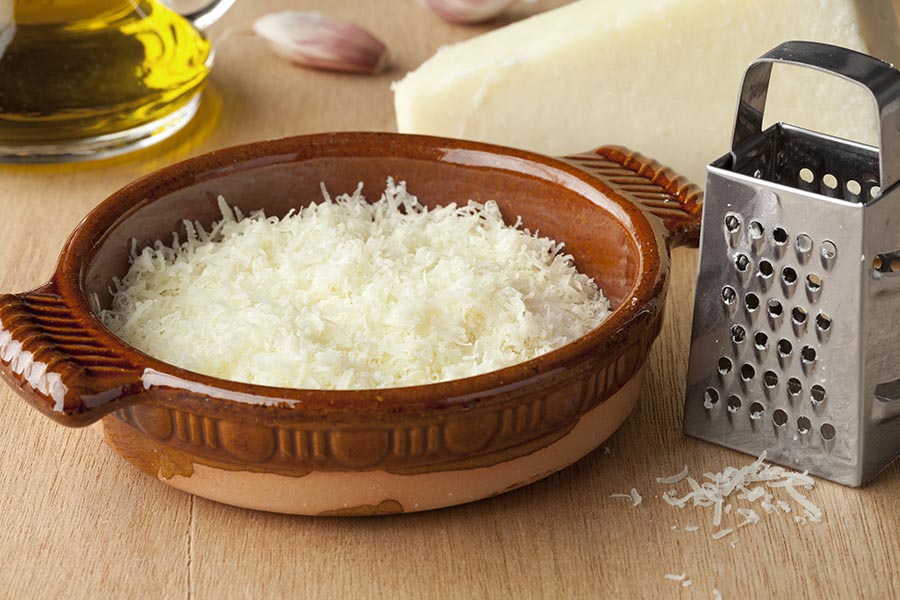
The production of Pecorino Romano begins with fresh sheep’s milk, which is richer and more aromatic than cow’s milk. This milk gives the cheese its distinctive sharpness and dense texture. Traditional methods are still widely used, ensuring consistency and authenticity.
After curdling, the cheese is pressed into molds and salted heavily—either by hand or through brining. This salting process is one of the key factors behind Pecorino Romano’s bold flavor and long shelf life. The salt also influences how the cheese ages and develops complexity.
Aging typically lasts at least five months, though many wheels are aged much longer. As Pecorino matures, it becomes harder, saltier, and more intense. The aging process transforms the cheese from slightly elastic to firm and crumbly, perfect for grating.
Flavor Profile and Texture Explained
Pecorino Romano is known for its strong, salty, and tangy flavor. Unlike milder cheeses, it doesn’t try to blend into the background. Its sharpness cuts through rich dishes, adding contrast and depth rather than creaminess.
The texture of depends largely on its age. Younger versions are slightly softer and more elastic, while well-aged varieties are hard, dry, and crumbly. This makes aged Pecorino Romano especially suitable for grating over hot dishes.
Another defining feature is its aroma. has a distinctly earthy, grassy scent that reflects the sheep’s milk used in its production. This aroma intensifies with age, contributing to the cheese’s unmistakable presence in any dish.
Pecorino Romano in Traditional Italian Cuisine
Pecorino Romano is a cornerstone of classic Roman pasta dishes. Recipes like cacio e pepe, carbonara, and amatriciana rely on this cheese for their signature flavor. Using a different cheese in these dishes would fundamentally change their character.
In these recipes, Pecorino Romano does more than add saltiness. When mixed properly with pasta water, it creates a creamy, emulsified sauce without the need for cream. This technique requires precision, but when done right, the result is rich and satisfying.
Beyond pasta, Pecorino Romano is also used in soups, vegetable dishes, and even baked goods. Italians often shave it over artichokes or fava beans, letting the cheese’s boldness elevate simple ingredients.
Cooking and Pairing with Pecorino Romano
When cooking with balance is key. Because the cheese is naturally salty, it’s important to adjust seasoning accordingly. Adding salt too early can easily overpower a dish when Pecorino Romano is involved.
Pecorino Romano pairs exceptionally well with bold flavors. Black pepper, chili flakes, garlic, and olive oil all complement its sharpness. It also works beautifully with bitter greens like broccoli rabe or radicchio.
In terms of beverages, pairs nicely with dry white wines or structured red wines that can stand up to its intensity. Even simple pairings like crusty bread and olives allow the cheese to shine without competition.
Pecorino Romano vs Other Italian Cheeses
Pecorino Romano is often compared to Parmigiano Reggiano, but the two cheeses are fundamentally different. Parmigiano is made from cow’s milk and has a nutty, umami-rich flavor, while is sharper, saltier, and more aggressive.
There are also other pecorino cheeses, such as Pecorino Toscano or Pecorino Sardo. These are generally milder and less salty than Pecorino Romano. While delicious in their own right, they serve different culinary purposes.
Understanding these differences helps you choose the right cheese for the right dish. Romano is ideal when you want intensity and contrast, while other cheeses may be better suited for subtlety or melting.
How to Choose and Store Pecorino Romano
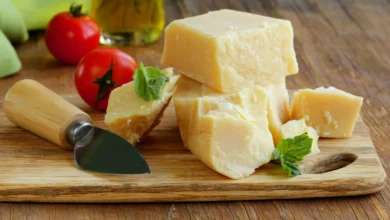
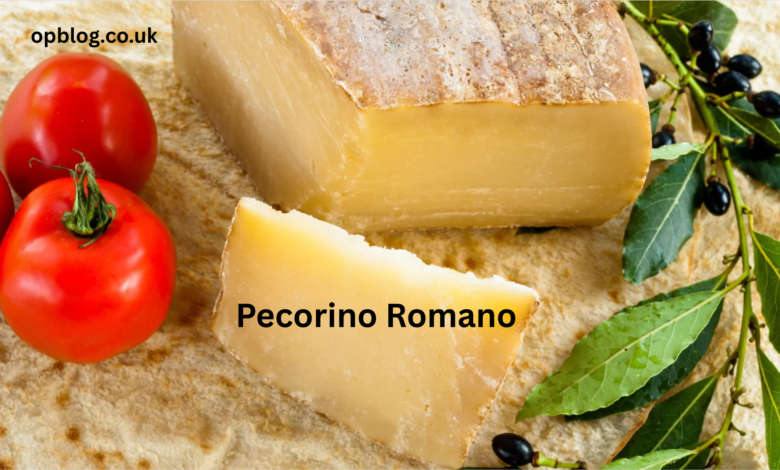
When buying Pecorino, look for a firm, pale ivory cheese with a natural rind. Authentic Pecorino Romano has a dense texture and a clean, sharp aroma. Avoid pieces that smell sour or overly pungent.
Whole wedges stay fresher longer than pre-grated cheese. Pre-grated versions lose aroma quickly and may contain additives that affect flavor. Grating the cheese fresh makes a noticeable difference in both taste and texture.
For storage, wrap in parchment paper and then loosely in plastic or foil. This allows the cheese to breathe while preventing it from drying out. Stored properly in the refrigerator, it can last for weeks without losing quality.
Health and Nutritional Aspects
Pecorino Romano is a nutrient-dense cheese. It is high in protein, calcium, and essential vitamins. Because it is made from sheep’s milk, it also contains healthy fats that contribute to satiety.
However, it is also high in sodium. Moderation is important, especially for those watching their salt intake. A little Pecorino Romano goes a long way, making it easy to enjoy without overconsumption.
Interestingly, many people who have difficulty digesting cow’s milk find sheep’s milk easier to tolerate. While not suitable for everyone, Pecorino Romano can be a good alternative for some individuals.
Final Thoughts on Pecorino Romano
Pecorino Romano is a cheese with personality, history, and purpose. It doesn’t aim to be subtle or universally pleasing—it embraces boldness and tradition. This confidence is what has kept it relevant for centuries.
From ancient Roman soldiers to modern home cooks, Pecorino Romano continues to play a vital role in kitchens around the world. Its ability to transform simple dishes into unforgettable experiences is unmatched.
If you want a cheese that brings depth, contrast, and authenticity to your cooking, Pecorino Romano is an essential ingredient. Once you truly understand it, you’ll never look at grated cheese the same way again.