Somatic Yoga A Complete Guide to Mindful Movement, Healing, and Body Awareness

Introduction to Somatic Yoga
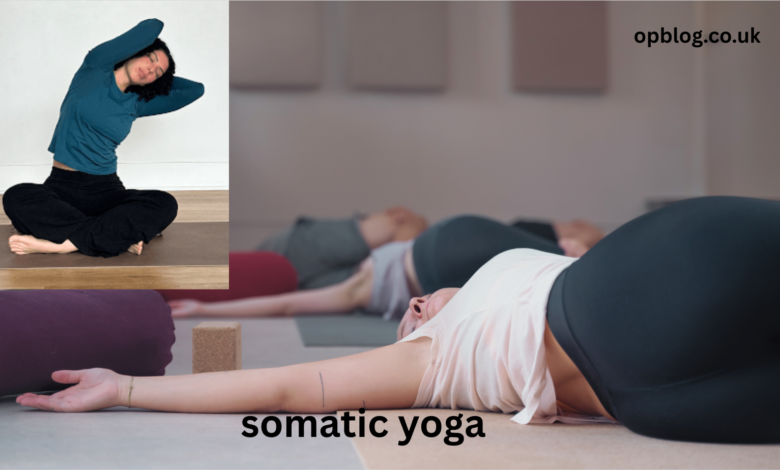
Somatic Yoga is a unique approach to traditional yoga that emphasizes internal body awareness and mindful movement. Unlike conventional yoga styles that often focus on achieving postures or physical alignment, somatic yoga encourages practitioners to tune into the sensations within the body, fostering a deeper connection between mind and movement.
This practice is rooted in the principles of somatics, a field that explores how the body experiences, senses, and reacts to movement. combines gentle stretches, slow movements, and conscious breathing to release tension, improve mobility, and cultivate overall well-being. It is particularly beneficial for those recovering from injuries, chronic pain, or stress-related muscle tension.
For beginners, somatic yoga may feel different from other forms of yoga. Instead of pushing for flexibility or strength, the focus is on listening to the body and moving mindfully. Over time, this heightened awareness can lead to better posture, reduced pain, and a greater sense of inner calm.
Benefits of Somatic Yoga
One of the primary benefits of Somatic Yoga is enhanced body awareness. By paying attention to subtle sensations, practitioners learn to identify areas of tension, misalignment, or habitual movement patterns that may contribute to discomfort or injury. This awareness allows for intentional adjustments and more efficient movement.
Somatic yoga also promotes stress reduction and emotional well-being. Mindful movement paired with conscious breathing activates the parasympathetic nervous system, which helps the body relax and release stored stress. Many practitioners report feeling calmer, more grounded, and emotionally balanced after even a short session.
Additionally, yoga can improve mobility and functional strength. Gentle, controlled movements target deep muscles that are often neglected in regular exercise. Over time, this can lead to improved posture, reduced stiffness, and enhanced coordination in daily activities.
Key Principles of Somatic Yoga
Somatic yoga is guided by several core principles. The first is mindful awareness, which encourages practitioners to notice sensations, patterns, and tension without judgment. This non-judgmental approach fosters a compassionate relationship with the body.
Another principle is gentle movement. Somatic yoga avoids forcing the body into extreme poses, instead opting for slow, deliberate movements that engage muscles safely. This approach reduces the risk of injury and allows for deeper, more effective releases of tension.
Finally, breath-centered practice is essential. Coordinating movement with the breath helps practitioners stay present, deepen stretches, and facilitate relaxation. Breath awareness also strengthens the connection between mind and body, which is central to somatic practice.
Somatic Yoga vs. Traditional Yoga
While traditional yoga often emphasizes flexibility, strength, and alignment, somatic yoga shifts the focus inward. In traditional yoga, achieving the “perfect” pose is often a goal, whereas in somatic, the experience of the body during movement takes precedence.
Traditional yoga can sometimes push the body beyond its current capabilities, which may lead to strain or injury. Somatic yoga, on the other hand, encourages slow, mindful movement that honors the body’s limits and promotes long-term healing and function.
For beginners, offers a gentler entry point into the world of yoga. It emphasizes awareness, relaxation, and self-care rather than performance, making it ideal for those who want a therapeutic or mindful approach to physical activity.
Common Somatic Yoga Exercises
Somatic yoga incorporates a variety of gentle exercises designed to increase awareness, release tension, and improve mobility. One common exercise is the spinal undulation, which involves slowly moving the spine in a wave-like motion to release stiffness and improve flexibility.
Another exercise is pelvic tilts and hip circles, which help release tension in the lower back and hips while engaging core muscles. These movements are performed slowly, with attention paid to the sensations in the muscles and joints.
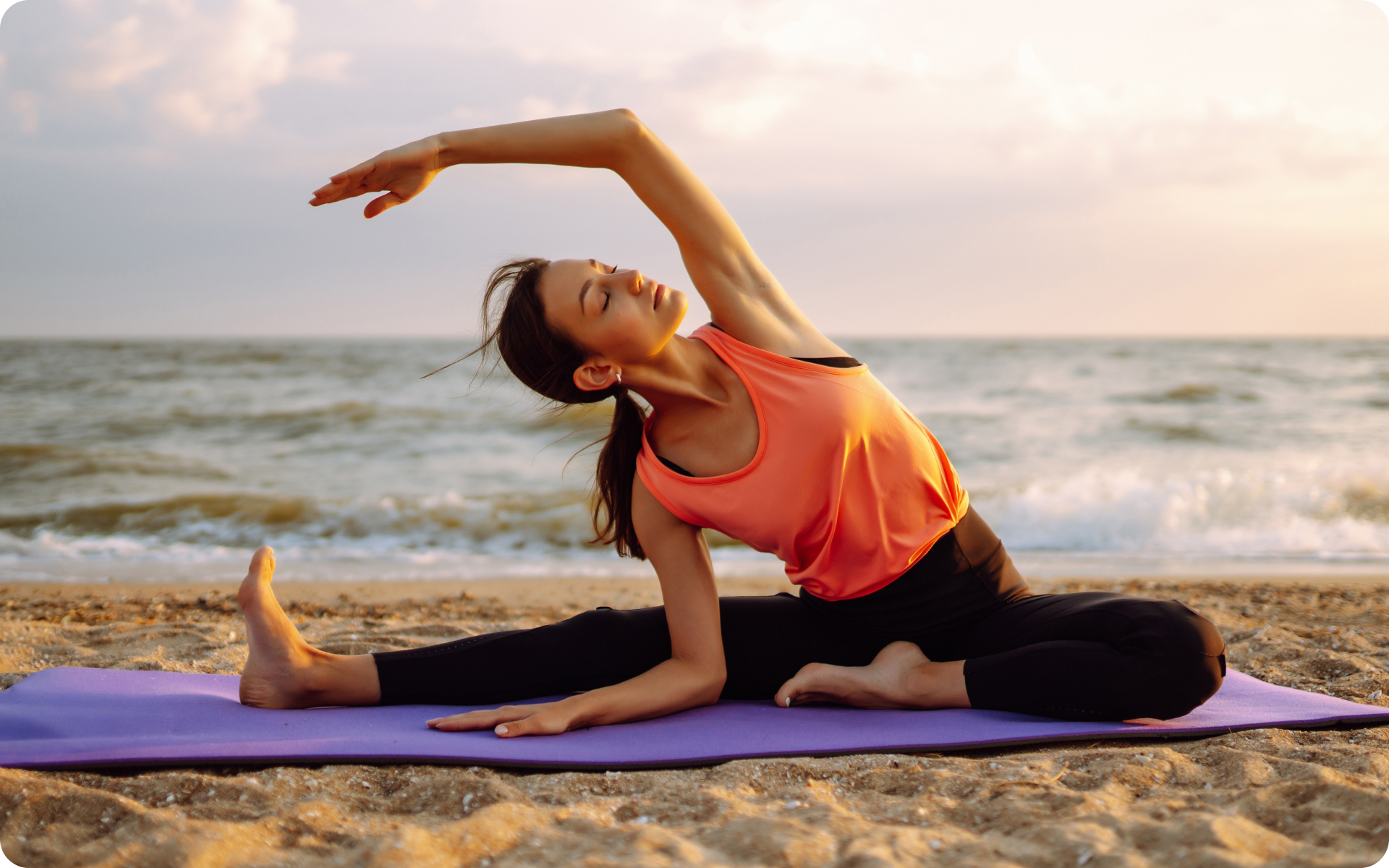
Shoulder and neck releases are also frequently practiced. By gently moving the shoulders in circular motions and coordinating breath with movement, tension stored from poor posture or stress can be released safely. These exercises emphasize comfort, awareness, and gradual progression rather than intensity.
Who Can Benefit from Somatic Yoga
Somatic yoga is suitable for a wide range of people, especially beginners or those seeking a gentle, mindful practice. Individuals recovering from injuries or dealing with chronic pain often find somatic yoga helpful for regaining mobility without strain.
It is also beneficial for people who spend long hours sitting or working at a desk. Somatic exercises can release tension in the neck, shoulders, and lower back while improving posture and awareness of habitual movement patterns.
Athletes and regular yoga practitioners can also benefit from somatic yoga. By increasing body awareness and addressing tension patterns, it complements other forms of exercise and can enhance performance while reducing the risk of injury.
Tips for Practicing Somatic Yoga at Home
For beginners, practicing somatic yoga at home can be both effective and convenient. Start by creating a quiet, comfortable space with minimal distractions. A yoga mat or soft surface is sufficient for most exercises.
Focus on slow, deliberate movements, paying attention to sensations in each muscle. Avoid comparing your practice to others; the goal is self-awareness, not achieving perfect poses.
Incorporate breath awareness into every movement. Inhale to lengthen, exhale to release tension. Keeping a journal of sensations or progress can also help beginners track improvements and understand how their body responds over time.
Integrating Somatic Yoga into Daily Life
Somatic yoga is not limited to formal sessions; its principles can be integrated into everyday life. Practicing mindful movement while walking, stretching, or even performing daily tasks encourages ongoing body awareness and helps prevent injury.
Short sessions of 10–15 minutes in the morning or evening can significantly impact flexibility, relaxation, and overall body function. Even brief, mindful pauses during work can release tension and improve posture.
Over time, somatic yoga encourages a holistic approach to health and well-being. By cultivating awareness, mindful movement, and breath-centered relaxation, practitioners develop a deeper connection to their body, fostering balance, resilience, and vitality.
Conclusion
Somatic yoga is a gentle yet powerful practice that emphasizes mindful movement, internal awareness, and overall well-being. Unlike traditional yoga styles, it focuses on the experience of the body rather than achieving perfect postures, making it ideal for beginners, individuals with injuries, or anyone seeking a mindful approach to physical activity.
By practicing somatic yoga regularly, individuals can improve mobility, release tension, reduce stress, and cultivate a deeper connection between mind and body. Its principles of slow movement, breath awareness, and body consciousness provide tools for long-term health, healing, and self-care.
For those new to yoga or looking for a therapeutic, mindful practice, somatic yoga offers a safe, accessible, and effective path to wellness. Integrating even a few minutes of somatic movement into daily life can transform not only physical health but also mental and emotional well-being.