Introduction Who Is Michael Owen?
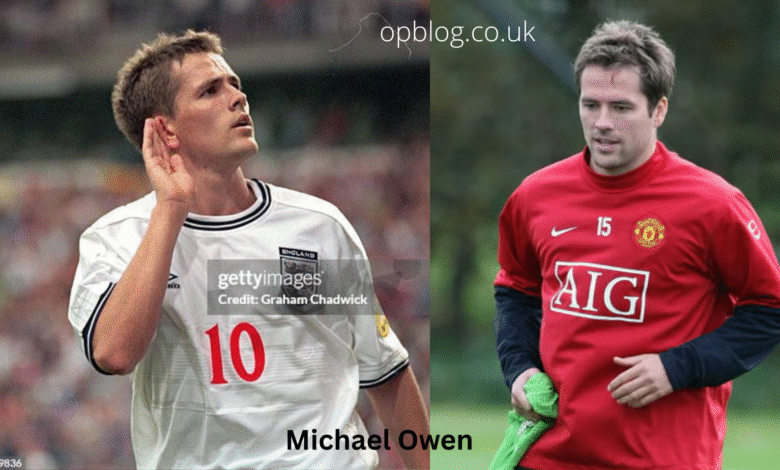
Michael Owen is one of the most recognizable names in English football. Renowned for his lightning pace, clinical finishing, and composure under pressure, Owen burst onto the scene as a teenager and quickly became a household name. Over the course of his career, he played for prestigious clubs such as Liverpool, Real Madrid, Newcastle United, Manchester United, and Stoke City, leaving an indelible mark on each.
What sets Owen apart from many other strikers of his generation is not just his goal-scoring record but also the way he changed games. At his peak, he combined blistering speed with an instinct for positioning that made him a nightmare for defenders. Fans and pundits alike saw in him the promise of a new golden age for English football.
Beyond his on-field achievements, Owen has transitioned into a successful media career, becoming a respected football pundit and horse racing enthusiast. His journey reflects the evolution of the modern footballer: from prodigy to global star to thoughtful analyst and entrepreneur Michael Owen.
Early Life and Youth Career Foundations of a Star
Michael Owen was born on December 14, 1979, in Chester, England. Football ran in his veins—his father, Terry Owen, was a professional footballer, which gave young Michael early exposure to the game. By the age of seven, he was already showing exceptional promise, dominating local youth leagues with his goal-scoring prowess.
His talent did not go unnoticed. At 11, he joined the Centre of Excellence at Chester and soon caught the eye of Liverpool scouts. By 13, he had signed schoolboy forms with Liverpool, setting the stage for one of the most exciting debuts in the club’s history. His youth career was marked by extraordinary numbers: he broke records for goals scored at every age level, making it clear he was destined for the top.
This grounding in competitive youth football helped shape Owen’s mentality. He learned early on about discipline, hard work, and handling expectations—qualities that would prove vital as he stepped into the spotlight of the Premier League as a teenager.
Liverpool Glory Days The Making of a Prodigy
Owen made his senior debut for Liverpool in May 1997, scoring in his very first match against Wimbledon. At just 17, he was already displaying the qualities that would define his career: pace, intelligence, and a ruthless eye for goal. The following season, he became a regular starter and ended as the Premier League’s joint top scorer.
The highlight of his Liverpool career came in 2001 during the FA Cup Final against Arsenal, famously dubbed “The Owen Final.” With Liverpool trailing 1–0 late in the game, Owen scored two goals in five minutes to secure a dramatic 2–1 victory. This performance cemented his status as a club legend and a national hero.
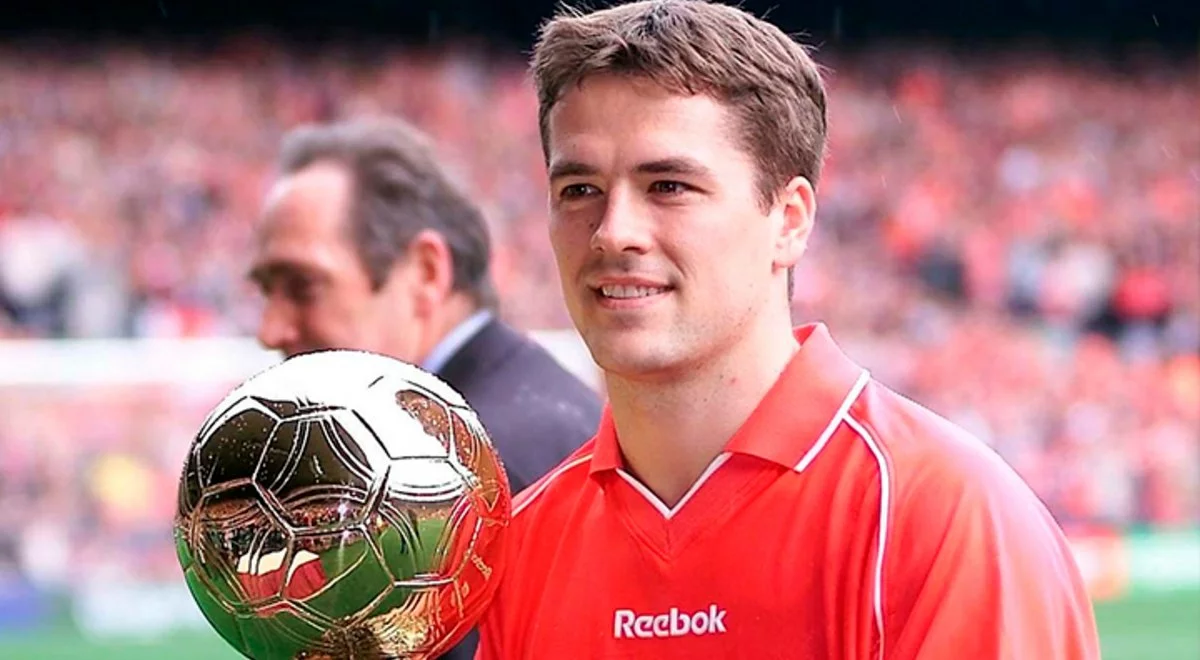
Across seven seasons with Liverpool, Owen scored 158 goals in 297 appearances, winning the FA Cup, two League Cups, the UEFA Cup, and the UEFA Super Cup. His combination of youth and excellence earned him the Ballon d’Or in 2001—the first English player to win it since Kevin Keegan in 1979.
International Stardom Lighting Up the World Stage
Owen’s international career with England was just as explosive. He made his senior debut in 1998 at age 18 and quickly became one of the team’s most important players. His goal against Argentina in the 1998 World Cup—where he sprinted from midfield, glided past defenders, and finished with clinical precision—is still considered one of the greatest goals in England’s tournament history Michael Owen.
Throughout the early 2000s, Owen remained England’s go-to striker, delivering crucial goals in World Cup qualifiers, European Championships, and friendlies. His hat-trick against Germany in the 2001 World Cup qualifier, a stunning 5–1 victory in Munich, is another iconic moment that solidified his status as a national treasure.
By the time injuries began to take their toll, Owen had earned 89 caps for England and scored 40 goals, placing him among the country’s all-time leading scorers. Even after his pace declined, Michael Owen his knack for being in the right place at the right time made him a valuable asset for the national side.
The Real Madrid Experience Challenges Abroad
In 2004, Owen made a bold move to Real Madrid, joining a star-studded squad featuring the likes of Zinedine Zidane, Raúl, Ronaldo, and David Beckham. The transfer was seen as a major coup for both Owen and English football, Michael Owen but it also brought significant challenges.
Owen found it difficult to secure a regular starting spot due to the intense competition in Madrid’s attack. Despite limited minutes, he still managed to score 16 goals in all competitions during his sole season—a testament to his efficiency as a striker. His famous goal in El Clásico against Barcelona remains a highlight of his time in Spain.
Ultimately, Owen returned to the Premier League after one year, Michael Owen signing with Newcastle United. While his stint in Madrid did not produce the same glory as his Liverpool days, it demonstrated his ambition to test himself at the highest level of European football.
Later Club Career Injuries and Reinvention
Owen’s time at Newcastle was marred by injuries, including a serious knee ligament rupture during the 2006 World Cup. These setbacks curtailed his pace and limited his appearances, frustrating both the player and fans who remembered his explosive early years Michael Owen.
In 2009, Owen made a surprising move to Manchester United, where he served as a valuable squad player under Sir Alex Ferguson. Though no longer the first-choice striker, he contributed important goals, including a memorable injury-time winner against Manchester City in the 2009 Manchester Derby. He also added a Michael Owen Premier League title and a League Cup to his collection.
His final professional chapter came at Stoke City in the 2012–2013 season. While his role was largely supportive, it allowed him to bring experience and mentorship to a younger squad before retiring from professional football in March 2013.
Life After Football Punditry and Horse Racing
Retirement did not signal the end of Owen’s public life. Michael Owen He seamlessly transitioned into football punditry, working with major broadcasters to provide expert analysis on Premier League, Champions League, and international matches. His calm, measured style reflects his deep understanding of the game and his willingness to share insights without sensationalism.
In addition to his media career, Owen has pursued his lifelong passion for horse racing. He owns Manor House Stables in Cheshire and has become a respected figure in the racing community. His horses have competed at major events, showcasing his business acumen and commitment to excellence beyond football.
These ventures highlight Owen’s ability to reinvent himself. Rather than fading from the spotlight, he has embraced new challenges and built a second career rooted in his personal interests and expertise.
Legacy Michael Owen’s Place in Football History
Michael Owen’s legacy is multifaceted. As a teenager, he gave England hope with his fearless World Cup performances. At Liverpool, he was the talisman of a team in transition, delivering goals and silverware. Even as injuries curtailed his later years, he remained a symbol of professionalism and resilience.
He paved the way for a new generation of English forwards who combined speed, technique, and tactical intelligence. Players like Raheem Sterling, Marcus Rashford, and Bukayo Saka have followed in his footsteps, benefiting from the path he blazed in the late 1990s and early 2000s.
More broadly, Owen’s career illustrates the fleeting nature of sporting peak and the importance of adaptability. While his explosive speed may have faded, his footballing mind and determination have allowed him to stay relevant and respected long after his retirement from the pitch.
Conclusion More Than Just a Goalscorer
Michael Owen’s story is one of talent, triumph, and transformation. From the precocious boy scoring for Liverpool at 17 to the Ballon d’Or winner conquering Europe, to the seasoned pundit and horse racing entrepreneur, his life has been defined by excellence and evolution.
Though injuries prevented him from reaching even greater heights, his impact on English football remains profound. He inspired a generation of fans with his electrifying runs, crucial goals, and fearless attitude on the world stage.
Today, Michael Owen stands as a reminder that greatness is not only about how you start but also how you adapt and continue to contribute after the final whistle. For football enthusiasts and casual fans alike, his career offers lessons in talent, resilience, and reinvention—qualities that ensure his name will endure in the annals of the sport.