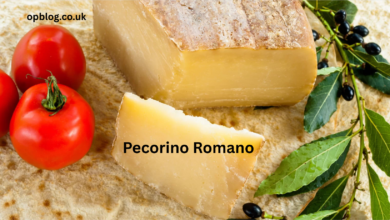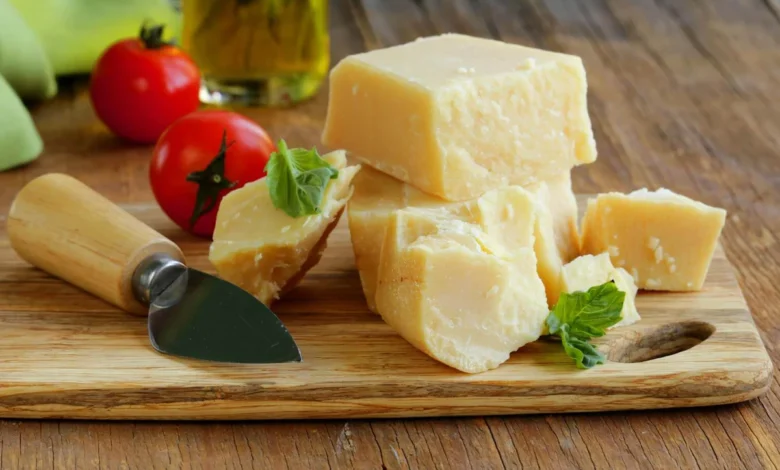
Romano Cheese is one of Italy’s oldest and most respected hard cheeses, known for its sharp, salty flavor and crumbly texture. Traditionally made from sheep’s milk, Romano cheese has been a staple in Italian cooking for centuries. Its strong taste and long aging process give it a distinct personality that sets it apart from milder cheeses.
The most famous variety, Pecorino Romano, originates from regions like Lazio and Sardinia. While modern versions may also be made from cow’s milk, authentic follows strict production standards. These standards help preserve the cheese’s traditional flavor and texture, ensuring consistency across batches.
Romano cheese is known for its bold, savory flavor and firm texture, making it a popular choice for adding depth to a variety of dishes.
Its distinctive taste works well with pasta, salads, sauces, and other recipes where a rich Italian-style cheese can enhance the overall flavor.
Romano cheese is primarily used as a grating cheese rather than a melting one. Its intense flavor means a little goes a long way, making it a favorite for enhancing pasta dishes, soups, and roasted vegetables. For food lovers who enjoy bold flavors, cheese is a kitchen essential.
The History and Origins of Romano Cheese

The roots of Romano Cheese trace back to ancient Rome, where it was valued as a durable and nutritious food source. Roman soldiers reportedly carried during long journeys because of its long shelf life and high protein content. This historical significance has helped cement Romano as a symbol of Italian culinary heritage.
Over time, the cheese-making techniques were refined, but the core principles remained the same. Sheep grazing on natural pastures and traditional aging methods contributed to the cheese’s signature taste. These time-tested practices are still followed today in protected regions of Italy.
As Italian cuisine spread across the world, Romano cheese followed. Italian immigrants introduced it to new cultures, where it quickly became popular. Today, is enjoyed globally, both in traditional Italian dishes and in modern recipes that highlight its bold flavor.
How Romano Cheese Is Made
Romano Cheese production begins with high-quality milk, traditionally sheep’s milk. The milk is heated and combined with natural cultures and rennet to form curds. These curds are then cut, stirred, and pressed into molds, which help shape the cheese and remove excess moisture.
After molding, the cheese wheels are salted, either by hand or through brining. Salt plays a critical role in developing signature sharpness and preserving it during the aging process. This step also contributes to the firm texture that makes Romano ideal for grating.
The aging process can last anywhere from five months to over a year. During this time, the cheese develops its complex flavor and crumbly consistency. The longer Romano cheese ages, the sharper and saltier it becomes, making aged varieties especially prized by chefs and food enthusiasts.
Flavor Profile and Texture Explained
Romano cheese is known for its intense, savory flavor. It has a sharp, salty bite that immediately stands out, especially when compared to milder cheeses like mozzarella or provolone. This boldness is what makes Romano such a powerful ingredient in cooking.
The texture of is hard and slightly grainy, which allows it to be easily grated or shaved. Unlike softer cheeses, it does not melt smoothly, but instead adds texture and depth when sprinkled over hot dishes. This characteristic makes it perfect for finishing recipes rather than cooking them directly.
As Romano cheese ages, its flavor becomes more complex. Younger versions may taste slightly nutty, while older ones develop a more pungent and robust profile. This range of flavors allows cooks to choose the right based on their culinary needs.
Common Uses of Romano Cheese in Cooking
Romano cheese is a staple in many classic Italian recipes. It is commonly grated over pasta dishes such as spaghetti carbonara, cacio e pepe, and pasta alla gricia. Its strong flavor enhances simple ingredients, transforming basic dishes into rich, satisfying meals.
Beyond pasta, cheese is often used in soups, risottos, and vegetable dishes. A sprinkle of Romano can add depth to minestrone soup or roasted vegetables, elevating the overall taste. It also pairs well with olive oil, garlic, and fresh herbs.
Romano cheese is also popular in meat dishes and baked recipes. It can be mixed into meatballs, breading for cutlets, or savory pastries. Because of its intensity, it’s best used sparingly, allowing its flavor to complement rather than overpower other ingredients.
Romano Cheese vs Parmesan Key Differences
Romano cheese is often compared to Parmesan, but the two have distinct differences. Romano is generally sharper, saltier, and more assertive in flavor, while Parmesan tends to be nuttier and milder. This makes Romano better suited for dishes that need a bold finishing touch.
Another major difference lies in the type of milk used. Traditional Romano cheese is made from sheep’s milk, whereas Parmesan is made from cow’s milk. This difference affects not only the flavor but also the texture and nutritional profile of the cheese.
In terms of usage, Parmesan is more versatile due to its milder taste and better melting properties. Romano cheese, on the other hand, shines when used as a seasoning cheese. Many cooks keep both on hand to suit different recipes and flavor preferences.
Nutritional Value and Health Considerations
Romano cheese is rich in protein, calcium, and essential vitamins, making it a nutritious addition to meals when consumed in moderation. The high protein content supports muscle health, while calcium contributes to strong bones and teeth.
However, Romano cheese is also high in sodium due to its salting and aging process. People watching their salt intake should use it sparingly. Its strong flavor helps in this regard, as small amounts are usually sufficient.
For those with lactose sensitivity, aged Romano cheese may be easier to digest. The aging process reduces lactose content, making it a suitable option for some individuals who avoid fresh dairy products.
How to Store and Serve Romano Cheese
Proper storage is essential to maintain the quality of Romano cheese. It should be wrapped in wax paper or parchment paper and then placed in a loose plastic bag. This method allows the cheese to breathe while preventing it from drying out.
Romano cheese is best stored in the refrigerator, ideally in the cheese drawer. When stored correctly, it can last for several weeks or even months. If mold appears on a hard cheese like Romano, it can usually be trimmed off without affecting the rest.
When serving, Romano cheese should be brought to room temperature to enhance its flavor. Grating it fresh just before use ensures maximum aroma and taste. Freshly grated Romano always delivers a more vibrant flavor than pre-packaged versions.
Final Thoughts Why Romano Cheese Deserves a Place in Your Kitchen
Romano cheese is more than just a topping; it’s a flavor enhancer with a rich history and bold personality. Its sharp, salty taste adds depth to a wide range of dishes, making it a favorite among home cooks and professional chefs alike.
While it may not be as versatile as some other cheeses, Romano cheese excels in its role as a finishing ingredient. A small amount can completely transform a dish, adding complexity and richness without extra effort.
If you appreciate strong flavors and authentic Italian ingredients, Romano cheese is a must-have. Whether you’re cooking traditional recipes or experimenting with new ones, this timeless cheese brings character and quality to every meal.