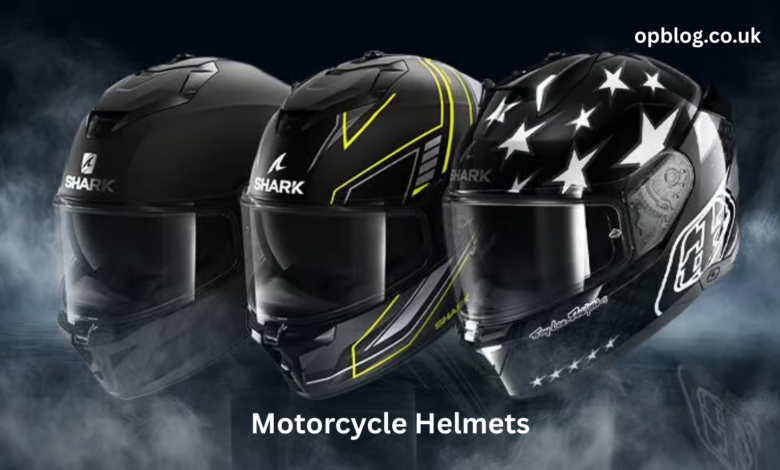
Motorcycle Helmets are the single most important piece of safety equipment for riders. Unlike cars, motorcycles offer no protective frame, airbags, or seatbelts, making helmets essential for reducing the risk of serious head injuries during an accident. Studies consistently show that wearing a helmet significantly lowers the likelihood of fatal injuries.
In addition to protecting against impact, helmets also shield riders from weather elements, debris, and insects. A well-designed helmet ensures comfort and visibility, which helps riders focus on the road and respond safely to traffic conditions.
Motorcycle helmets are an essential part of riding gear, helping protect the head while also offering different designs, features, and levels of comfort When choosing motorcycle helmets, riders should consider factors such as proper fit, safety certification, ventilation, visibility, and the type of riding they plan to do.
Beyond personal protection, helmets are legally required in many countries and states. Riding without a helmet not only increases injury risk but can also result in fines or legal consequences, highlighting their dual role in safety and compliance.
Different Types of Motorcycle Helmets

Motorcycle Helmets come in various types, each designed to meet different riding needs. Full-face helmets provide the most protection, covering the entire head and face. They are ideal for high-speed rides, long trips, and adverse weather conditions, offering superior impact absorption and wind protection.
Open-face helmets, also known as three-quarter helmets, cover the top, sides, and back of the head but leave the face exposed. They offer good protection while allowing greater airflow and visibility, making them a popular choice for city riding or casual cruises.
Modular helmets combine the features of full-face and open-face helmets. Riders can flip up the chin bar for convenience without removing the helmet entirely. This versatility makes modular helmets a favorite among touring riders who prioritize both safety and comfort.
Key Features to Look for in a Motorcycle Helmets
When choosing a motorcycle helmets, several features are essential for safety and comfort. First, the helmet should have a proper fit. A helmet that is too loose can shift during an accident, reducing protection, while one that is too tight can cause discomfort and distraction.
Second, the helmet’s safety certifications matter. Look for DOT (Department of Transportation), ECE (Economic Commission for Europe), or Snell certification marks. These certifications indicate that the helmet meets strict safety standards and has undergone rigorous impact testing.
Other important features include ventilation systems to keep the head cool, removable and washable liners for hygiene, and clear visors to ensure optimal visibility. Some helmets also include Bluetooth integration for communication or navigation, adding convenience without compromising safety.
How Motorcycle Helmets Protect Against Injuries
Motorcycle helmets protect riders primarily by absorbing and dispersing the force of an impact. The outer shell is designed to distribute the energy over a larger area, while the inner foam layer absorbs the shock, reducing the risk of traumatic brain injuries.
Visors and face shields also play a role in protection. They prevent flying debris, bugs, and wind from striking the eyes or face, which can cause accidents or injuries while riding. Anti-fog and scratch-resistant coatings enhance visibility in challenging conditions.
Helmets also contribute to long-term health by minimizing the cumulative impact of minor bumps and vibrations. Even if a rider avoids a major crash, consistent helmet use reduces strain on the neck, head, and brain during regular riding.
How to Choose the Right Motorcycle Helmet for You
Choosing the right Motorcycle Helmets starts with understanding your riding style and environment. For high-speed highway rides or long-distance touring, a full-face or modular helmet is often the safest choice. For urban commuting or slow rides, an open-face helmet may offer sufficient protection while maximizing comfort.
Fit is crucial. Measure your head circumference accurately and try different sizes and shapes, as helmet shapes vary by brand. A proper fit should feel snug but not restrictive, with no pressure points that cause discomfort over time.
Consider additional features like ventilation, noise reduction, sun visors, and communication systems. Personal preferences such as design, color, and graphics also play a role, but safety and fit should always come first.
Common Mistakes Riders Make With Helmets
One common mistake is wearing a helmet that doesn’t fit properly. Even a helmet with top safety ratings is ineffective if it moves around during a ride or crash. Motorcycle Helmets Riders should periodically check the fit, especially if the helmet has been dropped or worn for years.
Another mistake is keeping a helmet past its lifespan. Most manufacturers recommend replacing helmets every five years due to material degradation. Helmets that have been involved in a crash should be replaced immediately, even if no damage is visible.
Some riders remove their helmets during short trips or low-speed rides, underestimating the risk. Accidents can happen at any speed, making consistent helmet use critical. Additionally, tampering with or removing safety certifications, like modifying the helmet shell, reduces protection significantly.
The Role of Helmet Accessories and Customization
Helmet accessories can enhance comfort, safety, and functionality. Visors with anti-glare or tinted coatings improve visibility in bright conditions, while removable liners make cleaning easier and maintain hygiene over long periods of use.
Bluetooth communication systems are increasingly popular, allowing riders to navigate, talk, or listen to music hands-free. However, it’s important to ensure that adding accessories doesn’t interfere with Motorcycle Helmets fit or compromise safety.
Custom graphics and paint jobs allow riders to express their personality while riding. While aesthetic customization doesn’t improve safety, it encourages riders to wear helmets consistently, which indirectly supports protection.
Helmet Laws and Regulations Around the World
Helmet laws vary globally. Some countries, like the United States, have state-specific requirements. Some states mandate helmets for all riders, while others only require them for riders under a certain age. Europe follows strict ECE standards for motorcycle helmets.
In many Asian countries, where Motorcycle Helmets are heavily used for daily commuting, helmet laws are strictly enforced with severe penalties for non-compliance. Compliance with these laws not only avoids legal trouble but also significantly reduces fatalities and injuries.
Understanding local regulations is essential, especially for riders who travel internationally. Even in areas without strict helmet laws, wearing a helmet is strongly recommended for safety reasons.
Tips for Maintaining Your Motorcycle Helmet
Maintaining a helmet ensures its longevity and effectiveness. Regular cleaning of the inner liner, shell, and visor keeps it hygienic and clear. Avoid using harsh chemicals that can degrade the materials.
Store the helmet in a cool, dry place, away from direct sunlight. Excessive heat or UV exposure can weaken the helmet’s structural integrity over time.
Inspect the helmet periodically for cracks, dents, or loose padding. If any signs of damage are present, replace the helmet immediately, as compromised protection can increase the risk of injury.
Final Thoughts on Motorcycle Helmets
Motorcycle helmets are more than just gear—they are a rider’s first and most critical line of defense. Choosing the right helmet, ensuring a proper fit, and maintaining it properly can save lives and prevent serious injuries.
Whether you’re commuting, touring, or riding for leisure, wearing a helmet consistently is the smartest decision any motorcyclist can make. Modern helmets combine safety, comfort, and style, making them a practical and essential investment.
Investing time in selecting and caring for the right Motorcycle Helmets ensures every ride is safer, more enjoyable, and stress-free. Helmets protect not only your head but also your future.