The Lenox Spice Village A Nostalgic Kitchen Treasure That Spices Up Your Decor

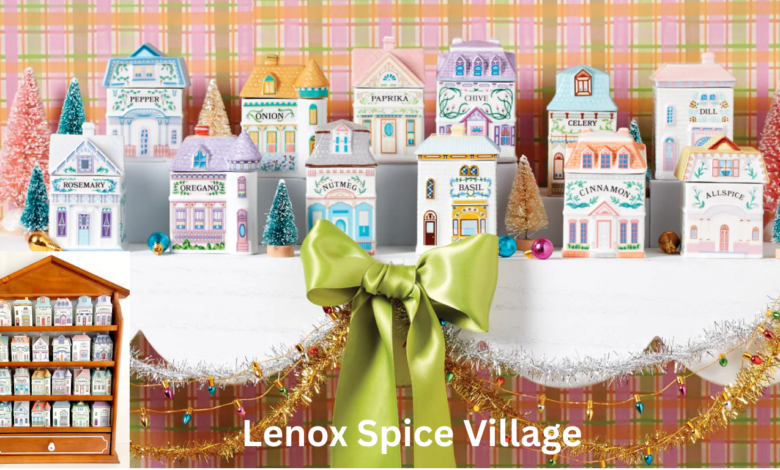
Lenox Spice Village something wonderfully charming about vintage kitchen collectibles, and few items capture that nostalgic appeal quite like the Lenox Spice Village. If you’ve ever stumbled upon these adorable ceramic cottages at an estate sale or spotted them in your grandmother’s kitchen, you know exactly what I’m talking about. These whimsical spice containers aren’t just functional storage solutions—they’re miniature works of art that transform ordinary spice racks into enchanting little neighborhoods. Let me take you on a journey through the delightful world of Lenox Spice Village, where practicality meets pure charm in the most unexpected way.
What Exactly is the Lenox Spice Village
The Lenox Spice Village is a collection of hand-painted ceramic spice jars shaped like quaint little houses, each one designed to hold a different spice or herb. Produced by the renowned Lenox company, famous for their fine china and porcelain pieces, these spice containers were created during the 1980s and 1990s as part of their giftware line. Each cottage-shaped jar features intricate details like tiny windows, doors, shingled roofs, and charming architectural elements that make them look like they belong in a fairy tale village rather than your kitchen cabinet.
What makes these pieces truly special is the attention to detail that Lenox put into each design. We’re not talking about mass-produced plastic containers here—these are legitimate collectibles with hand-painted accents and genuine craftsmanship. Each building in the village represents a different establishment you might find in a small town: there’s the Village Inn, the Apothecary, the General Store, and many others. The cork stoppers fit snugly into the top of each building, keeping your spices fresh while maintaining the aesthetic integrity of your miniature village.
The genius of the Lenox Spice Village lies in its dual purpose. You get functional spice storage that actually keeps your herbs and seasonings organized and accessible, but you also get a decorative display piece that adds character and conversation-starting appeal to your kitchen. It’s this combination of form and function that has made these pieces so beloved by collectors and home cooks alike, even decades after they were first introduced to the market.
The History and Heritage Behind Lenox

To truly appreciate the Lenox Spice Village, it helps to understand the company behind it. Lenox has been a household name in fine china and porcelain since 1889, when Walter Scott Lenox founded the company in Trenton, New Jersey. For over a century, Lenox has been synonymous with quality, elegance, and American craftsmanship. They’re perhaps best known for creating the official china used in the White House, a testament to their reputation for excellence.
The Spice Village collection represents a more playful departure from Lenox’s traditional formal dinnerware. During the 1980s, the company expanded its product line to include more accessible gift items and decorative pieces that appealed to a broader market. The Spice Village was born from this era of innovation, combining Lenox’s commitment to quality with a whimsical design sensibility that captured the imagination of home decorators and collectors.
What’s particularly interesting is that Lenox managed to maintain their high standards even with these more casual pieces. The same attention to detail and quality control that went into their fine china was applied to these charming spice jars. Each piece was carefully crafted, hand-painted, and inspected before being packaged and sold. This commitment to quality is one reason why vintage Lenox Spice Village pieces remain in such good condition today, and why they’ve become genuine collectibles rather than just forgotten kitchen gadgets from decades past.
Collecting and Completing Your Village
For many enthusiasts, collecting the Lenox Spice Village becomes something of an addictive hobby. The collection includes numerous different buildings, and tracking them all down can be quite the treasure hunt. You’ll find pieces like the Village Church, the Schoolhouse, the Butcher Shop, and the Post Office, among many others. Some collectors estimate there are anywhere from twenty to thirty different buildings in the complete collection, though exact numbers can be hard to pin down since Lenox released different pieces over the years.
The thrill of collecting comes from the chase. Since these pieces are no longer in production, finding them requires scouring estate sales, antique shops, online marketplaces like eBay and Etsy, and vintage collectible stores. Each discovery feels like finding a little treasure, especially when you uncover a building you’ve been searching for to complete a particular section of your village. Prices can vary wildly depending on the rarity of the piece, its condition, and whether it still has its original cork stopper.
One of the great things about collecting the Spice Village is that you don’t have to be a purist to enjoy it. Some people strive to complete the entire collection, displaying their pieces on custom-built shelving that showcases the whole village together. Others prefer to collect just their favorite buildings or focus on acquiring enough pieces to cover their most-used spices. There’s no right or wrong way to build your collection—it’s all about what brings you joy and fits your space and budget. The flexibility of the collection means it can work for serious collectors and casual admirers alike.
Practical Uses Beyond Spice Storage
While the Lenox Spice Village was designed specifically for storing spices, creative minds have found all sorts of alternative uses for these charming cottages. Their small size and secure cork closures make them perfect for storing all kinds of tiny treasures. Some people use them to organize craft supplies like beads, sequins, or small buttons. Others have repurposed them as holders for tea bags, sugar packets, or even as decorative pieces that simply sit empty but look beautiful on a shelf.
The cottages also make wonderful gifts, especially when you get creative with what you put inside them. Imagine giving someone a Lenox cottage filled with exotic spices for a housewarming gift, or presenting a baker friend with one containing vanilla beans or specialty baking spices. The container itself becomes part of the gift, something that will be treasured long after the original contents are used up. This gift-giving potential is actually one reason these pieces were so popular when they were first released.
For those who appreciate vintage holiday decor, the Spice Village buildings can be incorporated into Christmas village displays or used as part of seasonal kitchen decorating. Some creative souls even use them in dollhouse settings or miniature displays, though purists might cringe at taking them out of the kitchen entirely. The point is, these versatile little buildings can adapt to whatever purpose you dream up for them, making them much more than just one-trick ponies in the world of kitchenware.
Caring for Your Lenox Spice Village Collection
If you’re lucky enough to own pieces from the Lenox Spice Village collection, you’ll want to take proper care of them to preserve their value and beauty. The good news is that these pieces are relatively durable, but they do require some gentle handling. The hand-painted details can be delicate, and the ceramic material, while sturdy, can chip or crack if dropped. Always handle your pieces with clean, dry hands, and avoid sudden temperature changes that could cause thermal shock to the ceramic.
Cleaning your Spice Lenox Spice Village buildings requires a gentle touch. I recommend hand washing only—never put these in the dishwasher, as the harsh detergents and high heat can damage the hand-painted details and potentially cause crazing in the glaze. Use warm water, mild dish soap, and a soft cloth or sponge. Be especially careful around any gold trim or detailed painted areas. For the cork stoppers, a quick wipe with a damp cloth is usually sufficient. Make sure everything is completely dry before reassembling and storing spices inside.
Storage and display considerations are also important. If you’re actively using your pieces for spices, keep them away from direct sunlight, which can fade the painted details over time. If you’re displaying them purely as collectibles, consider using a glass-front cabinet that protects them from dust while still allowing them to be admired. For pieces you’re not currently displaying, wrap them individually in acid-free tissue paper and store them in a cool, dry place. With proper care, your Lenox Spice Village pieces can remain beautiful and functional for many more decades to come.
The Market Value and Investment Potential
Let’s talk money for a moment, because Lenox Spice Village pieces have become genuine collectibles with real market value. Individual buildings typically sell for anywhere from fifteen to fifty dollars, depending on their rarity, condition, and whether they still have their original cork stopper. Complete or near-complete collections can command several hundred dollars, especially if they’re in excellent condition with minimal paint wear or damage.
What affects the value? Several factors come into play. First, condition is paramount—pieces with bright, unfaded paint, no chips or cracks, and intact cork stoppers will always fetch higher prices. Rarity matters too; some buildings were produced in smaller quantities or for shorter periods, making them harder to find and more valuable to collectors. The presence of original packaging can also increase value, though most pieces available today have long since been separated from their boxes.
Whether these pieces will continue to appreciate in value is an interesting question. As with many vintage collectibles, their value is tied to the nostalgia and collecting enthusiasm of a particular generation. Right now, many people who remember these pieces from their childhood or from their parents’ kitchens are in their prime collecting years, which supports the market. As long as there’s a community of collectors who appreciate quality vintage kitchenware and charming design, the Lenox Spice Village should maintain its value and appeal.
Why the Lenox Spice Village Still Captivates Us Today
In our modern world of minimalist design and sleek, uniform kitchen storage solutions, there’s something refreshing about the unabashed whimsy of the Lenox Spice Village. These pieces remind us of a time when kitchens had personality, when functional items were also expected to be beautiful, and when companies took pride in creating products that would last for generations. They represent a slower, more thoughtful approach to both cooking and home decorating.
The enduring appeal of these ceramic cottages also speaks to our collective desire for nostalgia and connection to the past. For many people, these pieces evoke memories of time spent in grandma’s kitchen, of Sunday dinners and holiday gatherings. They’re tangible links to our family histories and to a seemingly simpler time. In an era where so much is disposable and temporary, owning something substantial, well-made, and full of character feels meaningful.
Ultimately, the Lenox Spice Village succeeds because it makes us smile. There’s something inherently delightful about organizing your paprika in a tiny post office or storing your oregano in a miniature church. It transforms the mundane task of cooking into something a bit more magical, turning your spice rack into a storybook village where anything seems possible. And really, couldn’t we all use a little more whimsy in our daily lives?
Whether you’re a serious collector hunting for that elusive final building to complete your village, a cooking enthusiast looking for charming spice storage, or simply someone who appreciates beautiful vintage kitchenware, the Lenox Spice Village offers something special. These delightful ceramic cottages represent the best of American craftsmanship, combining practical function with artistic beauty in a way that continues to capture hearts decades after they were first created. So next time you’re browsing through an antique shop or scrolling through online vintage marketplaces, keep your eyes open for these charming little buildings—you might just find yourself starting your own enchanted spice village.