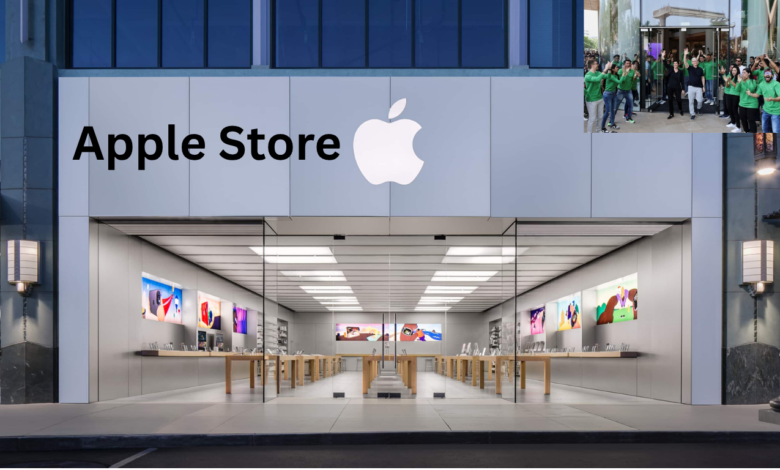
Apple Store is more than just a retail location—it’s a symbol of innovation, design, and customer-centric service. Since its inception, have transformed the way consumers interact with technology, blending sleek architecture with immersive shopping experiences.
This article delves into the history, features, and unique offerings of the Apple, highlighting why it remains a benchmark in retail innovation and customer engagement.
The History of the Apple Store
The first Apple Store opened in 2001 in Tysons Corner, Virginia, marking a significant milestone for the company. Apple sought to create a retail environment that reflected the design philosophy of its products: clean, modern, and user-friendly.
Under the leadership of Steve Jobs, the concept focused on more than just selling devices. It emphasized hands-on experiences, knowledgeable staff, and community engagement. This approach quickly distinguished Apple from traditional electronics retailers.
Over the years, Apple expanded globally, establishing hundreds of stores across major cities. Today, the Apple Store serves not only as a retail hub but also as a cultural touchpoint for tech enthusiasts and casual customers alike.
The Unique Design of Apple Stores
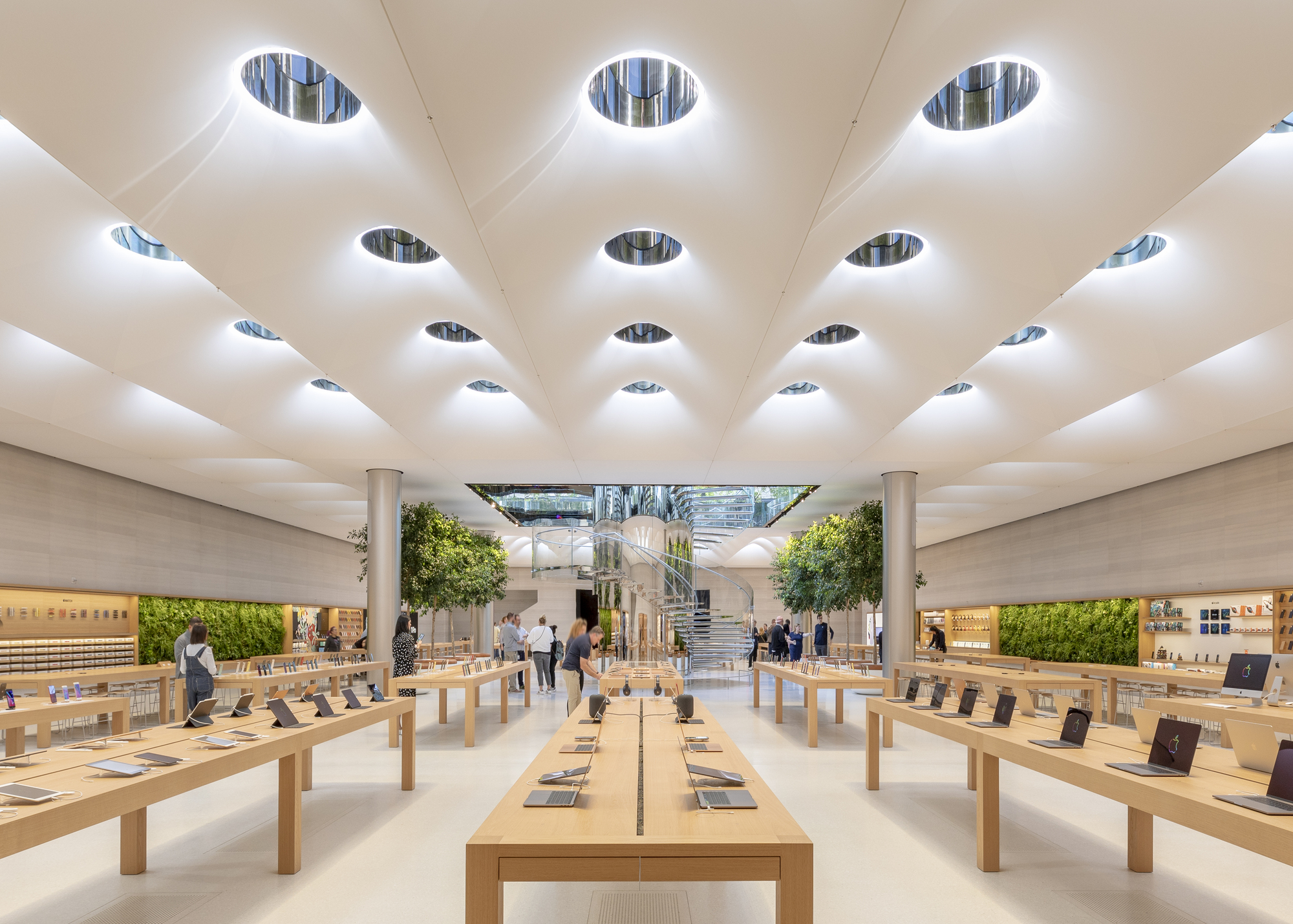
One of the most recognizable aspects of the Apple Store is its architectural design. Stores feature minimalist aesthetics, large glass facades, and open floor plans that encourage exploration.
The layout is intentionally designed to allow customers to interact freely with products. Tables showcase iPhones, iPads, Macs, and accessories, providing a tactile and immersive experience. design also emphasizes natural lighting, clean lines, and uncluttered spaces to enhance the overall shopping environment.
Iconic locations, such as the Apple Store on Fifth Avenue in New York City with its glass cube entrance, have become tourist attractions in their own right. This commitment to design demonstrates Apple’s focus on creating memorable and engaging retail experiences.
Services Offered at the Apple Store
The Apple Store is more than a place to purchase products—it offers a range of services designed to support customers before, during, and after their purchase.
One notable feature is the Genius Bar, where trained Apple experts provide technical support, repairs, and troubleshooting assistance. Customers can schedule appointments or walk in to receive guidance on software, hardware, and device issues.
Additionally, Iphone Stores offer personalized workshops and training sessions. These sessions help customers learn how to use Apple devices more effectively, covering topics such as photography, productivity, and coding. These educational initiatives enhance the value of visiting the Apple Store beyond simple shopping.
Shopping Experience at Apple Store
Shopping at an Apple Store is designed to be interactive and customer-focused. Unlike typical retail stores, Apple encourages hands-on engagement with all products.
Customers can test devices, explore features, and compare models before making a purchase. Apple staff are trained to provide guidance without being intrusive, creating a balance between assistance and independent exploration.
The layout also supports seamless transactions. Apple Stores utilize mobile point-of-sale systems, allowing staff to complete purchases anywhere in the store. This reduces wait times and ensures a smooth checkout process.
Online and In-Store Integration
Apple has successfully integrated its online and physical retail experiences. The Apple Store app and website allow customers to check product availability, schedule appointments, and even reserve items for in-store pickup.
This seamless integration enhances convenience, allowing customers to plan visits efficiently. Whether purchasing online or visiting in person, Apple ensures consistency in service quality and product availability.
Moreover, the integration supports hybrid experiences, such as buying online and receiving in-store support or attending in-store workshops after pre-registering through digital channels.
Global Presence of Apple Store
The Apple Store has a significant global footprint, with locations in North America, Europe, Asia, and beyond. Apple adapts its stores to local markets while maintaining a consistent brand identity.
In international locations, Apple often incorporate local design elements, cultural references, and community programs. This approach strengthens the brand’s connection to diverse customer bases while retaining the core Apple experience.
Global expansion also ensures accessibility to Apple’s products and services, helping maintain the company’s competitive edge in the technology sector.
Economic and Cultural Impact
Apple Stores have had a profound economic and cultural impact. They generate employment opportunities, stimulate local economies, and attract foot traffic that benefits nearby businesses.
Culturally, have become more than just retail locations—they are hubs for innovation, learning, and community engagement. Launch events for new products often draw crowds and media attention, reinforcing Apple’s status as a trendsetter in technology and retail.
The Apple Store experience has influenced other retailers to rethink store layouts, service models, and customer engagement strategies, setting a high standard in the retail industry.
Sustainability and Innovation
Apple has committed to sustainability in its retail operations. Many Apple Store locations feature energy-efficient designs, renewable energy sources, and eco-friendly materials.
Additionally, Apple continually innovates its retail experience. From augmented reality displays to interactive product demonstrations, the company explores new ways to enhance customer engagement and showcase technology in immersive ways.
This commitment to innovation aligns with Apple’s broader corporate philosophy and reinforces the Apple Store as a reflection of the company’s values and vision.
Challenges and Adaptations
Operating an Apple Store is not without challenges. High rent, staffing, and maintaining a premium experience across numerous locations require careful management.
Apple has adapted by streamlining operations, investing in digital tools, and expanding services like curbside pickup and personalized consultations. These adaptations ensure that the remains relevant and accessible in a rapidly changing retail landscape.
The brand’s ability to innovate and respond to customer needs helps sustain the Apple Store’s reputation as a leader in retail experiences.
The Future of Apple Store
Looking ahead, the Apple Store is poised to continue evolving. Future stores are expected to further blend physical and digital experiences, incorporating advanced technology, immersive workshops, and interactive displays.
Apple’s focus on customer engagement, community involvement, and sustainability will likely guide new store designs and services. The company aims to maintain its iconic retail presence while adapting to emerging trends and consumer expectations.
Ultimately, the Apple Store will remain a benchmark for innovation, blending technology, design, and service to create a unique shopping experience.
Conclusion
The Apple Store is more than a place to buy products—it’s an embodiment of Apple’s vision, innovation, and commitment to customers. With iconic design, immersive shopping experiences, expert support, and a global presence, the sets the standard for modern retail.
By combining physical stores with digital integration, personalized services, and community engagement, Apple ensures that its stores remain relevant and valuable to customers worldwide.
Whether you are a tech enthusiast, casual shopper, or first-time visitor, the Apple Store offers a distinctive experience that reflects the best of innovation, design, and customer-centric service.