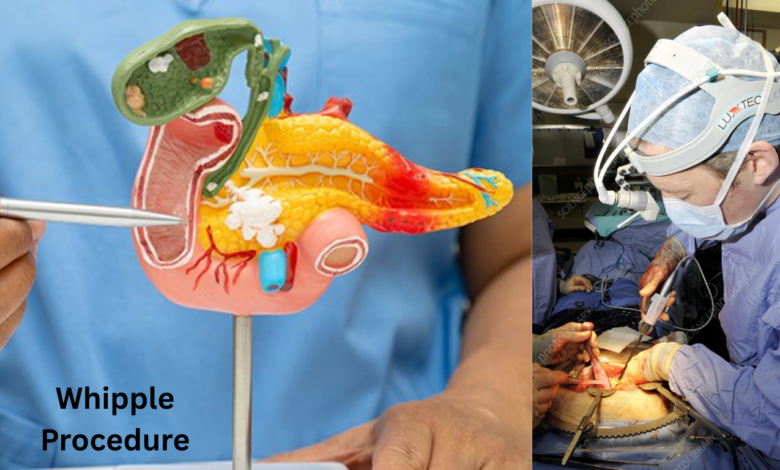
Whipple Procedure is a complex surgical operation used to treat serious conditions affecting the pancreas and nearby organs. It is most commonly performed to remove cancer located in the head of the pancreas, but it can also be used for other pancreatic or bile duct diseases.
In medical terms, the is also known as a pancreaticoduodenectomy. It involves removing parts of the pancreas, small intestine, gallbladder, and sometimes part of the stomach. Because of its complexity, it is considered one of the most advanced abdominal surgeries.
Doctors recommend the whipple procedure only when necessary, usually for patients with tumors or severe conditions that cannot be treated with medication alone. It is a life-saving operation in many cases, despite its difficulty.
When Doctors Recommend the Whipple Procedure
The whipple procedure is typically recommended for patients diagnosed with pancreatic cancer, especially when the tumor is located in the head of the pancreas. This area is difficult to treat with less invasive methods.
It may also be used for bile duct cancer, small intestine tumors, or chronic pancreatitis that does not respond to other treatments. In some cases, precancerous conditions may also require the procedure to prevent cancer from developing.
Doctors carefully evaluate each patient before recommending the whipple procedure. They consider overall health, stage of disease, and whether the tumor has spread to other organs.
How the Whipple Is Performed

The Whipple Procedure is a highly detailed surgery that can take several hours to complete. Surgeons begin by making an incision in the abdomen to access the affected organs.
During the whipple procedure, the head of the pancreas is removed along with parts of the small intestine (duodenum), gallbladder, and bile duct. In some cases, a portion of the stomach is also removed.
After removal, the surgeon reconnects the remaining organs to allow digestion to continue. This reconstruction is a critical part of the procedure and requires high precision to ensure proper healing.
Risks and Challenges of the Whipple Procedure
Like any major surgery, the whipple procedure carries risks. These may include infection, bleeding, and complications related to digestion after surgery.
Because the whipple involves multiple organs, the recovery process can be challenging. Patients may experience temporary changes in digestion, appetite, and weight.
Despite these risks, the procedure is often the best option for treating certain cancers. Advances in surgical techniques have significantly improved safety and success rates over the years.
Recovery After the Whipple
Recovery from the whipple procedure is a long process that requires patience and medical support. Most patients stay in the hospital for one to two weeks after surgery.
During the early recovery phase, patients are closely monitored to ensure proper healing. The body needs time to adjust after the procedure, especially since parts of the digestive system have been altered.
Full recovery can take several months. Patients are usually advised to follow a special diet, take prescribed medications, and attend regular follow-up appointments.
Life After the Whipple Procedure
Life after the whipple procedure often involves adjustments, but many patients are able to return to normal activities over time. The body gradually adapts to the changes in digestion and organ function.
Some patients may need enzyme supplements to help with digestion after the procedure. Others may experience changes in appetite or weight, which can be managed with dietary support.
Regular medical check-ups are essential after the whipple to monitor health and ensure there are no complications or recurrence of disease.
Success Rates and Medical Advances
The success of the whipple procedure has improved significantly due to advancements in surgical techniques and medical care. High-volume hospitals with experienced surgeons tend to have better outcomes.
The whipple is now considered safer than it was decades ago, although it still remains a major operation. Early detection of disease also plays a key role in improving survival rates.
Ongoing research continues to refine the whipple procedure, making it more effective and less risky for patients who need it.
Emotional and Psychological Impact
The whipple procedure is not only physically demanding but also emotionally challenging. Patients often experience anxiety before and after surgery due to the seriousness of the condition.
Support from family, friends, and medical professionals plays an important role in recovery. Emotional well-being is a key part of healing after the procedure.
Counseling and support groups can also help patients cope with the stress and lifestyle changes that may follow the whipple procedure.
Final Thoughts on the Procedure
In conclusion, the whipple procedure is a highly complex but life-saving surgery used primarily to treat pancreatic and related cancers. It involves removing and reconnecting multiple digestive organs to eliminate disease and restore function.
Despite its challenges, the hope to many patients facing serious diagnoses. With proper medical care and recovery support, many individuals go on to live meaningful lives after surgery.
Ultimately, the whipple procedure remains one of the most important advancements in modern surgical medicine, combining precision, expertise, and ongoing innovation.