Venezuelan Food is one of those cuisines that quietly surprises you. It doesn’t always get the global spotlight like Italian or Mexican food, yet once you try it, it leaves a lasting impression. Rooted in a blend of Indigenous, African, and Spanish influences, carries a rich identity that feels both comforting and vibrant at the same time.
What makes Venezuelan particularly interesting is how it reflects the country’s geography. From coastal seafood dishes to hearty meals from the plains, every region contributes something unique. This diversity means you’re never really eating the same kind of food twice, even within the same country.
There’s also a strong emotional connection attached to Venezuelan food. It’s not just about eating; it’s about sharing, gathering, and celebrating traditions. Whether it’s a simple breakfast or a festive dinner, meals often bring people together in a way that feels genuine and deeply rooted in culture.
Iconic Dishes That Define Food
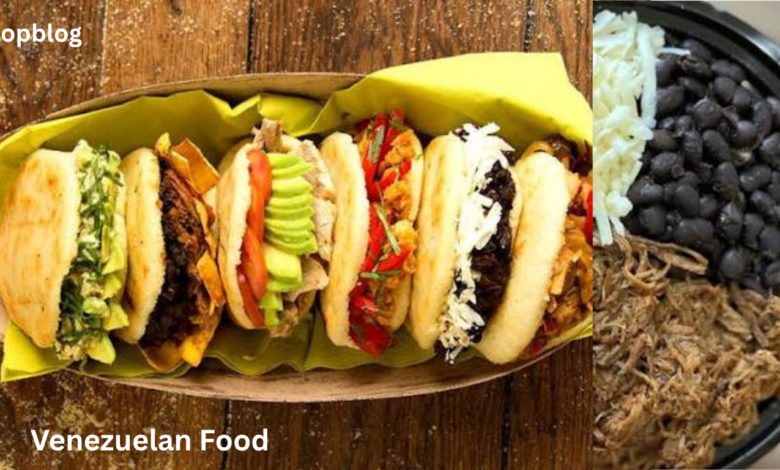
When discussing Venezuelan food it’s impossible not to start with arepas. These cornmeal patties are the backbone of daily meals. Crispy on the outside and soft inside, they can be stuffed with countless fillings—cheese, shredded beef, chicken, or even avocado mixtures. Their versatility is what makes them such a staple.
Another standout dish is pabellón criollo, widely considered the national dish. It combines shredded beef, black beans, white rice, and fried plantains. At first glance, it might look simple, but the balance of flavors and textures makes it incredibly satisfying. It’s the kind of meal that feels complete in every sense.
Then there’s hallaca, which holds a special place during the holiday season. Wrapped in plantain leaves and filled with a rich mixture of meats, spices, and garnishes, it’s more than just food—it’s tradition. Families often gather to prepare hallacas together, turning cooking into a shared cultural ritual.
Everyday Street Food and Quick Bites
If you really want to understand Venezuelan Food you have to explore its street food scene. This is where the cuisine feels alive, spontaneous, and full of personality. Empanadas are a prime example—crispy corn-based pastries stuffed with fillings like cheese, beef, or fish.
Tequeños are another everyday favorite. These cheese sticks wrapped in dough and fried until golden are incredibly popular at gatherings and as snacks. They’re simple, yes, but they hit that perfect balance of crunch and melt-in-your-mouth goodness.
Street vendors also serve dishes like cachapas, which are sweet corn pancakes typically paired with soft cheese. The contrast between sweetness and saltiness creates a flavor profile that feels uniquely Venezuelan. It’s this kind of unexpected pairing that keeps the cuisine interesting.
Core Ingredients Behind Venezuelan
At its core, Venezuelan food relies on a few key ingredients that appear again and again. Corn is undoubtedly the most important. It forms the base of many dishes, from arepas to empanadas, and connects modern cooking to ancient traditions.
Beans, particularly black beans, are another essential component. They’re often served alongside rice and meat, creating a balanced and hearty meal. These simple ingredients come together in ways that feel both nourishing and flavorful.
Cheese also plays a major role. Venezuelan cheeses are typically fresh and mild, which makes them perfect for pairing with stronger flavors. Whether melted inside an arepa or served on the side, cheese adds a creamy contrast that enhances the overall dish.
Regional Diversity in Venezuelan Food
One of the most fascinating aspects of Venezuelan food is how much it changes from region to region. In coastal areas, seafood dominates the menu. Dishes often include fish, shrimp, and coconut-based sauces that reflect Caribbean influences.
Move toward the plains, and the focus shifts dramatically to meat. Grilled beef, often cooked over open flames, becomes the star of the meal. The preparation is straightforward, allowing the natural flavors of the meat to shine through.
In the Andes, the cuisine takes on a more comforting tone. Soups, stews, and wheat-based dishes are common here, influenced by the cooler climate. This regional variety ensures that Venezuelan food never feels one-dimensional.
Sweet Side of Food
Desserts in Venezuelan food are all about comfort and indulgence. Tres leches cake is a classic example. Soft sponge cake soaked in three kinds of milk creates a rich, moist dessert that feels almost luxurious.
Quesillo, a type of flan, is another favorite. Its smooth texture and caramel topping make it a go-to dessert for many occasions. It’s simple, yet incredibly satisfying, proving that Venezuelan food doesn’t need complexity to impress.
Traditional sweets like dulce de lechosa (candied papaya) also carry cultural significance. Often prepared during holidays, these desserts connect people to their roots and family traditions. They’re not just treats—they’re memories.
Why Venezuelan Food Is Growing Globally
In recent years, Venezuelan food has started gaining recognition beyond its borders. Migration has played a big role in this, with Venezuelans introducing their cuisine to new audiences around the world. As a result, dishes like arepas are becoming more widely known.
Another reason for its popularity is adaptability. can easily be adjusted to suit different tastes and dietary preferences. Whether someone prefers vegetarian fillings or bold meat dishes, the cuisine offers flexibility without losing its identity.
There’s also a growing appreciation for authentic, culturally rich foods. People are moving away from overly processed meals and looking for something real. Venezuelan food fits perfectly into this trend, offering flavors that feel both genuine and exciting.
The Cultural Experience of Venezuelan Food
What truly sets Venezuelan food apart isn’t just the taste—it’s the experience. Meals are often social events, filled with conversation, laughter, and shared moments. This cultural aspect adds a layer of meaning that goes beyond the plate.
Food preparation itself can be a communal activity. Whether it’s making arepas for breakfast or preparing hallacas during holidays, cooking becomes a way to connect with others. It’s a reminder that food is as much about people as it is about ingredients.
Even for someone new to the cuisine, Venezuelan food feels welcoming. The flavors are approachable, the dishes are satisfying, and the overall experience is warm and inviting. It’s the kind of cuisine that makes you feel at home, even if you’re far from it.
Final Thoughts on Food
Exploring Venezuelan food is like uncovering a hidden gem in the culinary world. It combines simplicity with depth, tradition with creativity, and comfort with bold flavors. Every dish tells a story, and every meal feels like an invitation to experience something authentic.
What makes it truly special is its balance. manages to be hearty without being overwhelming, flavorful without being complicated, and traditional without feeling outdated. It’s a cuisine that respects its roots while still evolving.
If you haven’t tried Venezuelan food yet, it’s definitely worth exploring. From iconic dishes like arepas to sweet treats like tres leches cake, there’s a whole world of flavor waiting to be discovered. And once you start, it’s hard not to keep coming back for more.