Jamon Iberico If you’ve ever come across the term, you already know it carries a certain prestige. This isn’t your everyday ham—it’s a product deeply rooted in tradition, craftsmanship, and a level of detail that borders on obsession.
People often hear about jamon iberico in fine dining conversations or gourmet food lists, but understanding what makes it so special requires a closer look. From how it’s produced to how it tastes, every aspect tells a story.
Let’s break it down in a way that actually makes sense, without overcomplicating things.
What Is Jamon Iberico
At its core, jamon iberico is a type of cured ham that comes from the Iberian pig, a breed native to Spain. But calling it “just ham” would be doing it a disservice.
The process starts with the breed itself. Iberian pigs have a unique ability to store fat within their muscle, which creates that signature marbled texture. This isn’t something you can replicate easily—it’s built into the genetics.
Then comes the curing process, which can last anywhere from two to four years. During this time, the ham develops its complex flavor profile. That slow transformation is one of the reasons jamon iberico stands out in the world of cured meats.
Why Jamon Is So Expensive
Let’s address the obvious question—why does Jamon Iberico cost so much?
First, the production process is incredibly time-intensive. Unlike mass-produced meats, this ham requires years of careful monitoring. That alone increases its value significantly.
Second, the diet of the pigs plays a huge role. In the highest-quality versions, pigs are fed acorns during the final stage of their lives. This diet directly impacts the flavor, giving the meat its nutty and slightly sweet notes.
There’s also limited supply to consider. Authentic jamon iberico isn’t produced on a large scale, which naturally drives up demand and price.
Different Types of Iberico
Not all jamon iberico is created equal. There are different grades, and understanding them can help you make better choices.
The most premium option de bellota. These pigs are free-range and primarily fed acorns, resulting in the richest flavor and texture.
Next, you have cebo de campo, where pigs have a mixed diet of pasture and feed. It’s still high quality, but slightly less intense in flavor.
Finally, there’s cebo, which comes from pigs raised on a controlled diet. While more affordable, it doesn’t quite reach the same level as the higher grades.
What Does Jamon Iberico Taste Like?
Describing the taste of jamon iberico isn’t easy because it’s layered and evolves as you eat it.
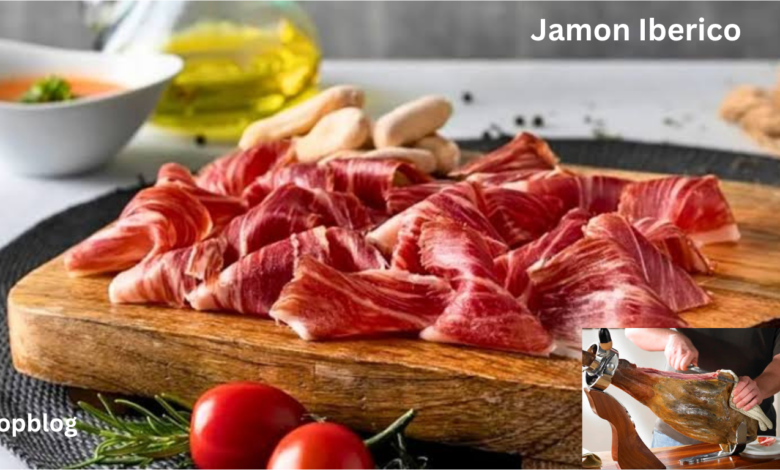
The first thing you’ll notice is the texture. It’s soft, almost buttery, with fat that melts effortlessly. That alone sets it apart from regular cured meats.
Flavor-wise, it’s a mix of savory, nutty, and slightly sweet notes. There’s also a depth that comes from the long curing process, giving it a rich, lingering finish.
Interestingly, no two slices taste exactly the same. Depending on the cut and fat distribution, each bite offers a slightly different experience.
How to Properly Serve Jamon Iberico
Serving jamon iberico isn’t complicated, but doing it right makes a big difference.
Temperature matters. It should be served at room temperature so the fat softens and releases its full flavor. Serving it cold can mute its complexity.
Slicing is another key factor. Thin slices are ideal because they allow the texture and flavor to shine. Thick cuts can feel heavy and less refined.
Pairing it with simple ingredients works best. Bread, olives, or a mild cheese can complement the ham without overpowering it.
Common Mistakes People Make
Even though jamon iberico is a premium product, people often make small mistakes that affect the experience.
One common issue is overcomplicating the pairing. Adding too many flavors can distract from the ham itself, which should always be the star.
Another mistake is improper storage. Keeping it too cold or exposed to air for too long can impact both texture and taste.
Lastly, rushing the experience doesn’t do it justice. This is the kind of food meant to be enjoyed slowly, not eaten in a hurry.
Why Jamon Iberico Is a Culinary Icon
There’s a reason jamon iberico is considered one of the finest cured meats in the world.
It represents a blend of tradition and precision. Every step, from raising the pigs to curing the meat, follows methods that have been refined over generations.
It also reflects a certain philosophy of food—quality over quantity. Instead of mass production, the focus is on creating something exceptional.
That combination of heritage and craftsmanship is what elevates jamon iberico beyond just another gourmet item.
How to Choose the Best Jamon
If you’re planning to buy jamon iberico, knowing what to look for can save you from disappointment.
Start by checking the label. Authentic products will clearly indicate the type and origin. This helps you understand exactly what you’re getting.
Appearance matters too. Look for marbling and a deep red color, which usually indicate good quality.
Price can also be a clue. While it’s not always a guarantee, extremely cheap options are unlikely to deliver the authentic experience.
Final Thoughts on Jamon Iberico
Jamon iberico isn’t just food—it’s an experience shaped by time, tradition, and attention to detail.
From its unique production process to its complex flavor, every aspect reflects a level of craftsmanship that’s hard to match. It’s the kind of product that rewards patience and appreciation.
If you’ve never tried it, it’s worth exploring at least once. And if you already have, you’ll understand why it continues to hold such a strong reputation.
In the end, jamon iberico proves that sometimes the simplest ingredients, when handled with care, can create something truly extraordinary.