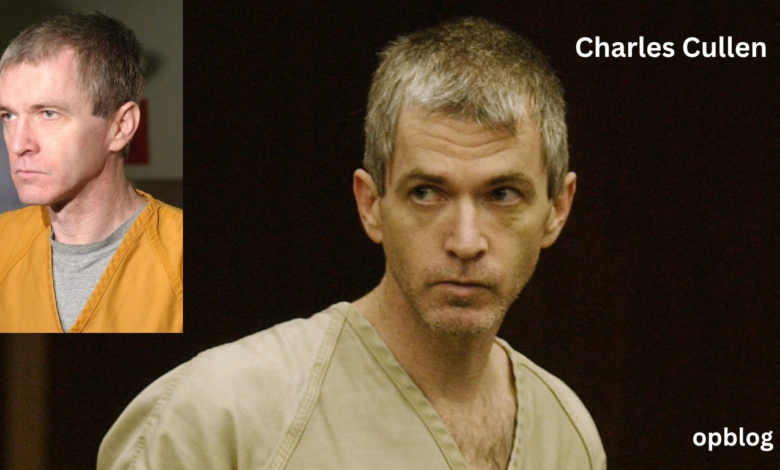
Charles Cullen is a name that continues to unsettle both the medical community and the public. Unlike typical criminals, Cullen operated within hospitals—spaces built on trust, care, and healing. That contrast alone makes his story deeply disturbing.
Born in 1960 in New Jersey, had a troubled upbringing marked by instability and emotional hardship. His early years were filled with personal loss, which seemed to shape his outlook on life in complex ways. While many people experience hardship without turning to crime, in Cullen’s case, those experiences appear to have contributed to his psychological struggles.
Before entering nursing, Charles Cullen served in the U.S. Navy. His transition into healthcare might have seemed like a positive step, a chance to rebuild and contribute meaningfully to society. However, beneath that surface was a deeply troubled individual whose actions would later shock the world.
The Path Into Nursing and Hospital Work
Charles Cullen’s entry into the healthcare system is what makes his story uniquely chilling. He trained as a nurse and began working in hospitals across New Jersey and Pennsylvania. On paper, his career appeared relatively ordinary—he moved between jobs, often citing stress or workplace conflicts.
Hospitals rely heavily on trust. Nurses, in particular, are given significant responsibility in administering medication and monitoring patients. used this trust to his advantage, operating in environments where oversight could sometimes be inconsistent.
Over time, patterns began to emerge. Charles Cullen frequently changed jobs, often leaving under unclear circumstances. Yet, due to systemic gaps in communication between institutions, he was able to continue working. This mobility allowed him to avoid detection for far longer than one might expect.
The Crimes of Charles A Grim Reality
The crimes committed by Charles Cullen are both shocking and difficult to comprehend. Over a span of approximately 16 years, he is believed to have been responsible for the deaths of numerous patients. The exact number remains uncertain, but estimates suggest it could be in the dozens—or even higher.
What sets apart from many criminals is the method he used. He administered lethal doses of medications, often to patients who were not critically ill. These actions were subtle, making them difficult to detect in busy hospital settings.
There was no clear pattern in his victims. Charles Cullen targeted individuals across different age groups and conditions. This randomness added another layer of fear and confusion, making it harder for colleagues to identify a consistent threat.
Warning Signs and Missed Opportunities
One of the most troubling aspects of the Charles Cullen case is the number of warning signs that went unnoticed or unaddressed. In several hospitals, colleagues raised concerns about his behavior, including unusual medication practices.
Despite these concerns, concrete action was often delayed. Hospitals sometimes chose to quietly dismiss rather than report him to authorities. This lack of transparency allowed him to move on to new positions, where the cycle continued.
The case highlights systemic issues within healthcare institutions at the time. Communication gaps, fear of legal repercussions, and administrative oversight all played a role. Charles Cullen exploited these weaknesses, which ultimately prolonged his ability to harm patients.
The Investigation That Brought the Truth to Light
The turning point in the Charles Cullen case came in the early 2000s, when suspicions grew stronger at a New Jersey hospital. Investigators began to notice irregularities in patient deaths, particularly involving certain medications.
A key figure in the investigation was Amy Loughren, a nurse who worked alongside. Her cooperation with law enforcement proved crucial. By gaining his trust, she helped gather evidence that would later be used against him.
Eventually, Charles Cullen was arrested in 2003. During questioning, he confessed to multiple murders, providing chilling details about his actions. His admissions confirmed what many had feared—that a trusted healthcare professional had been deliberately ending lives.
Motives and Psychological Complexity
Understanding why committed his crimes is a complex and unsettling task. Unlike crimes driven by financial gain or personal vendettas, his actions seemed rooted in deeper psychological issues.
In some statements, Charles Cullen claimed he wanted to end patients’ suffering. However, this explanation doesn’t fully align with the evidence, as many victims were not terminally ill. This contradiction raises questions about his true motivations.
Experts have suggested that may have been driven by a need for control or a distorted sense of purpose. Regardless of the exact reasoning, his actions reflect a profound breach of ethical and moral boundaries.
Legal Consequences and Sentencing
After his arrest, Charles Cullen faced multiple charges related to the deaths of patients. The legal process involved cooperation between various jurisdictions, given the number of hospitals where he had worked.
In 2006, was sentenced to multiple life terms in prison. This ensured that he would spend the remainder of his life behind bars, unable to harm others. The sentencing brought a sense of closure to many families affected by his actions.
However, the legal outcome also sparked discussions about accountability within healthcare systems. While Charles Cullen was held responsible for his crimes, questions remained about how institutions handled earlier warnings.
Impact on the Healthcare System
The case of Charles Cullen had a lasting impact on the healthcare industry. It exposed vulnerabilities in hiring practices, reporting systems, and internal communication within hospitals.
In response, many institutions began implementing stricter background checks and reporting requirements. The goal was to prevent individuals like Cullen from moving between jobs without scrutiny.
Additionally, the case emphasized the importance of transparency. Hospitals are now more likely to report suspicious behavior rather than quietly dismiss employees. This shift aims to protect patients and maintain trust in the healthcare system.
Public Reaction and Media Coverage
When news of Charles crimes became public, the reaction was one of shock and disbelief. The idea that a nurse—someone entrusted with care—could commit such acts challenged deeply held assumptions about safety in medical environments.
Media coverage played a significant role in bringing attention to the case. Documentaries, books, and films have explored the story, examining both the crimes and the systemic failures that allowed them to continue.
While these portrayals vary in tone, they collectively highlight the importance of vigilance and accountability. The story of Charles Cullen serves as a reminder that trust must be accompanied by oversight.
Lessons Learned From the Charles Cullen Case
The legacy of Charles Cullen is not just about the crimes themselves—it’s about what society has learned in response. His case underscores the need for stronger safeguards in professions that involve vulnerable populations.
One key lesson is the importance of communication. When institutions share information effectively, it becomes much harder for individuals to exploit gaps in the system. Cullen’s ability to move between hospitals revealed the dangers of fragmented oversight.
Another takeaway is the value of speaking up. The role of individuals like Amy Loughren demonstrates how courage and integrity can make a difference. Addressing concerns early can prevent larger tragedies.
Final Thoughts on Charles Cullen
Charles Cullen’s story is undeniably disturbing, but it also serves as an important case study in both criminal behavior and institutional responsibility. His actions represent a profound violation of trust, one that continues to resonate years later.
At the same time, the response to his crimes has led to meaningful changes. Healthcare systems have become more aware of their vulnerabilities and more proactive in addressing them. While no system is perfect, progress has been made.
Ultimately, the story of Charles Cullen is a reminder of the importance of accountability, vigilance, and ethical responsibility. It’s not an easy story to confront, but it’s one that offers valuable lessons for the future.