
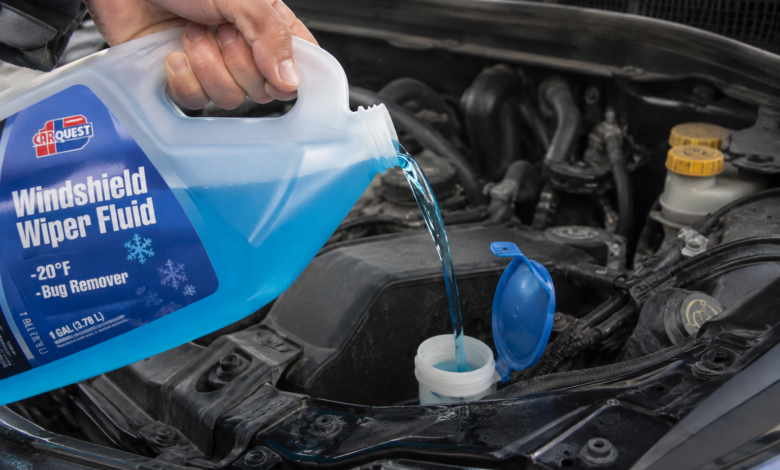
Windshield Wiper Fluid When people think about car maintenance, engine oil and tires usually get all the attention. Yet something as simple as windshield wiper fluid plays a surprisingly important role in keeping you safe on the road. It’s the liquid sprayed onto your windshield to remove dirt, grime, bugs, and other debris that can block your vision.
At its core, is designed to clean effectively without leaving streaks. Unlike plain water, it contains cleaning agents that break down residue quickly. This means your wipers don’t just smear dirt around—they actually help clear your view in seconds.
There also a safety angle here that often gets overlooked. Driving with a dirty windshield reduces visibility, especially in bright sunlight or heavy rain. That’s where windshield wiper fluid becomes essential rather than optional. It ensures you maintain a clear line of sight, which can make all the difference in avoiding accidents.
Key Ingredients and How It Works
The composition of windshield wiper fluid is more interesting than most people expect. It’s typically a blend of water, alcohol (like methanol or ethanol), and detergents. Each component serves a purpose, working together to deliver effective cleaning.
The alcohol content helps the fluid evaporate quickly and prevents freezing in colder temperatures. This is particularly useful during winter when plain water would freeze and become useless. Meanwhile, detergents break down grease, bug splatter, and road grime, making them easier to wipe away.
What makes windshield wiper fluid effective is its balance. Too much alcohol could damage surfaces, while too little reduces cleaning power. Manufacturers carefully formulate the mix so it performs well across different weather conditions, ensuring consistent results every time you use it.
Different Types of Wiper Fluid
Not all Windshield Wiper Fluid products are created equal. There are several types available, each designed for specific conditions or preferences. Choosing the right one can significantly improve performance.
All-season fluid is the most common option. It works well in moderate climates and handles everyday dirt and debris with ease. If you live in an area with mild weather, this type will likely meet your needs without any issues.
Then there’s winter-specific fluid, which contains a higher concentration of antifreeze agents. This prevents it from freezing even in extremely low temperatures. On the other end of the spectrum, some fluids are formulated for bug removal or water-repellent properties, offering specialized benefits depending on your driving environment.
When and How to Refill Your Fluid
Refilling windshield wiper fluid is one of the simplest car maintenance tasks, yet many drivers neglect it until it’s completely empty. Ideally, you should check the level regularly, especially before long trips or during seasonal changes.
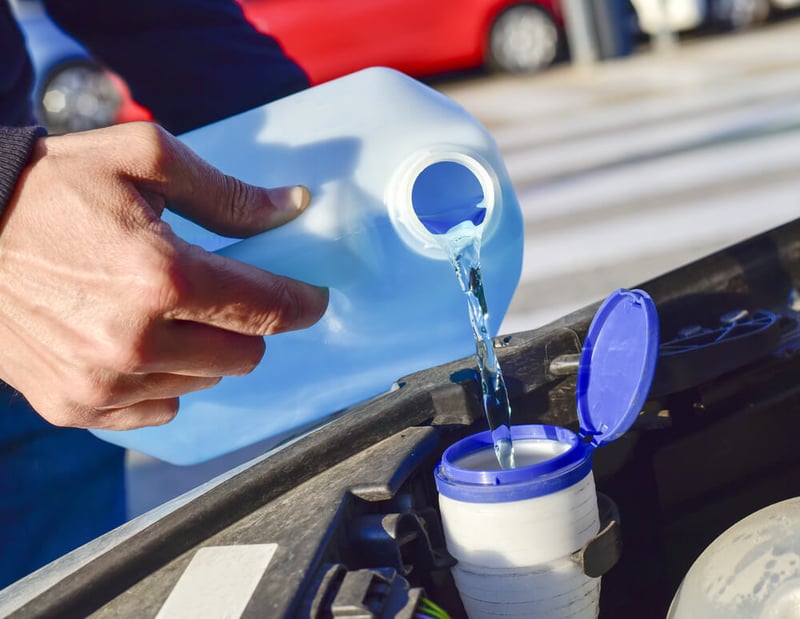
Most vehicles have a clearly labeled reservoir under the hood. Topping it up takes just a minute—simply open the cap and pour the fluid in. There’s no need for tools or technical knowledge, making it accessible even for beginners.
Timing matters too. Don’t wait until you’re driving in heavy rain or dealing with a dirty windshield to realize you’re out of fluid. Keeping your windshield wiper fluid topped off ensures you’re always prepared, no matter the conditions.
Common Mistakes Drivers Make
It’s easy to underestimate something as basic as windshield fluid, which leads to a few common mistakes. One of the biggest is using plain water instead of proper fluid. While water might seem like a quick fix, it lacks cleaning agents and can freeze in colder temperatures.
Another frequent issue is mixing incompatible fluids. Different formulations may not always work well together, potentially reducing effectiveness. Sticking to one type or thoroughly flushing the system before switching is a safer approach.
Some drivers also forget that windshield wiper fluid has a shelf life. Over time, its components can degrade, making it less effective. Using fresh fluid ensures you get the cleaning power you expect every time.
Seasonal Considerations for Better Performance
Weather conditions play a huge role in how well windshield wiper fluid performs. During summer, bugs and dust are the main challenges, so a fluid with strong cleaning agents is ideal. These formulations help remove stubborn residue without excessive wiping.
Winter brings a completely different set of problems. Ice, snow, and road salt can quickly cover your windshield. This is where winter-grade windshield wiper becomes essential, as it resists freezing and helps melt light frost.
Spring and fall are transitional seasons, often requiring a balanced approach. All-season fluid usually works well here, providing reliable performance without the need for specialized formulas. Adjusting your fluid choice based on the season can make a noticeable difference in visibility.
Environmental and Safety Considerations
While windshield wiper fluid is incredibly useful, it’s worth thinking about its environmental impact. Some formulations contain chemicals that can be harmful if spilled or disposed of improperly. Choosing eco-friendly options can help reduce this impact.
Safety is another factor to keep in mind. Many fluids contain methanol, which is toxic if ingested. It’s important to store the product securely and keep it out of reach of children and pets. Handling it carefully ensures you avoid unnecessary risks.
There are also biodegradable options available today. These products aim to deliver the same cleaning performance while being less harmful to the environment. Making a conscious choice here can align your car maintenance habits with sustainability goals.
Tips to Maximize Effectiveness
Getting the most out of your windshield wiper fluid doesn’t require much effort, but a few smart habits can go a long way. For instance, always pair good fluid with quality wiper blades. Even the best fluid won’t perform well if your blades are worn out.
Another tip is to use the fluid proactively rather than reactively. Spraying it before your windshield becomes too dirty makes cleaning easier and prevents buildup. This approach also reduces strain on your wipers.
It’s also helpful to keep an extra bottle in your car, especially during long trips. Running out of windshield wiper fluid at the wrong time can be inconvenient and even dangerous. A little preparation ensures you’re never caught off guard.
How Windshield Wiper Fluid Affects Driving Safety
It might seem like a minor detail, but windshield wiper fluid directly impacts driving safety. Clear visibility is one of the most critical aspects of safe driving, and this fluid plays a key role in maintaining it.
Imagine driving through a muddy road or encountering a sudden splash from another vehicle. Without windshield wiper fluid, your vision could be compromised for several seconds. Those moments can be enough to cause an accident.
Consistent use of windshield wiper fluid ensures your windshield stays clean in unpredictable conditions. It’s a simple yet effective way to enhance safety, proving that even small maintenance tasks can have a big impact.
Final Thoughts on Windshield Wiper Fluid
At first glance, windshield wiper fluid might seem like a minor component of your vehicle. However, its role in maintaining visibility and safety makes it far more important than many drivers realize.
From understanding its ingredients to choosing the right type for your climate, a little knowledge goes a long way. Regular maintenance and smart usage can ensure it performs at its best whenever you need it.
In the end, taking care of your windshield wiper fluid is about more than just keeping your car clean. It’s about driving with confidence, knowing that you have a clear view of the road ahead no matter the conditions.





One Comment