Corned Beef is a beloved ingredient that has been enjoyed across cultures for centuries. Known for its rich flavor, versatility, and unique preparation, it is a staple in many households, especially around holidays and special occasions. Despite its popularity, has a fascinating history, distinctive preparation methods, and culinary uses that go beyond the familiar sandwiches and St. Patrick’s Day dinners. This article explores all aspects of from its origins to cooking techniques and nutritional value.
The History of Corned Beef
Corned beef has a rich history that traces back to ancient preservation methods. The term “corned” comes from the large grains of salt, historically referred to as “corns,” used to cure the beef. Before refrigeration, salting meat was essential to prevent spoilage, making corned beef a practical solution for preserving protein.
Originally, became widely popular in Ireland and Britain. Irish farmers would salt and store beef during the winter months, creating a durable and long-lasting food source. Interestingly, although corned beef is now closely associated with Irish cuisine, it was historically a luxury in Ireland, often exported to other countries, particularly the United States, while locals consumed more pork and potatoes.
Corned beef gained massive popularity in the United States during the 19th and 20th centuries, particularly among immigrant communities. Irish and Jewish immigrants brought their traditions of to American cities, adapting recipes and creating new dishes. Over time, became synonymous with holiday meals, deli sandwiches, and comfort food, cementing its place in modern cuisine.
How Corned Beef Is Made
:max_bytes(150000):strip_icc()/homemade-corned-beef-p2-2215829-hero-01-e439613b9eb249f8887b72ab8fe53032.jpg)
Corned beef is typically made from beef brisket, a cut known for its toughness that benefits from slow cooking. The preparation begins with curing the meat in a brine solution of water, salt, sugar, and spices. Traditional spices include peppercorns, mustard seeds, bay leaves, and coriander, which infuse the meat with flavor during the curing process.
The curing process is what gives corned beef its signature pink color and salty taste. Many modern producers also use sodium nitrite to maintain the color and prevent bacterial growth. Depending on the recipe, curing can last anywhere from a few days to several weeks, allowing the flavors to penetrate the meat fully.
Once cured, the beef is either cooked fresh or canned for longer preservation. Fresh corned beef is often boiled, slow-cooked, or braised, while canned versions are precooked and can be reheated directly. Each method produces slightly different textures and flavors, but the hallmark of remains its savory, tender, and slightly salty profile.
Nutritional Value of Corned Beef
Corned beef is a protein-rich food that provides several essential nutrients. A typical serving of cooked contains high amounts of protein, iron, and zinc, making it a valuable source of energy and minerals for muscle health and overall bodily function.
However, corned beef is also high in sodium due to the curing process, which means it should be consumed in moderation, particularly by those monitoring blood pressure or cardiovascular health. The fat content can vary depending on the cut of beef and preparation method, with brisket containing more marbling, which contributes to flavor but also increases calories.
Modern adaptations sometimes include leaner cuts and lower-sodium options, allowing health-conscious consumers to enjoy without compromising on taste. Paired with vegetables like cabbage, potatoes, or carrots, corned can be part of a balanced meal.
Cooking Techniques and Tips
Cooking corned beef properly is essential to achieving the tender, flavorful results that people love. One popular method is slow simmering in water or broth, which allows the meat to absorb additional flavors while breaking down connective tissue for tenderness. Simmering can take several hours but results in a soft, juicy brisket that slices easily.
Another method is slow cooking in a crockpot or pressure cooker. This approach not only saves time but also enhances the depth of flavor as the beef absorbs spices and aromatics over hours of gentle cooking. Some chefs also recommend roasting corned in the oven after slow-cooking to create a flavorful crust, adding texture and visual appeal to the dish.
For those looking for quick meals, canned can be sautéed, stir-fried, or added to casseroles. While it lacks the subtle flavor of freshly cured meat, canned corned beef offers convenience and versatility, making it a pantry staple in many households.
Corned Beef in Cuisine Around the World
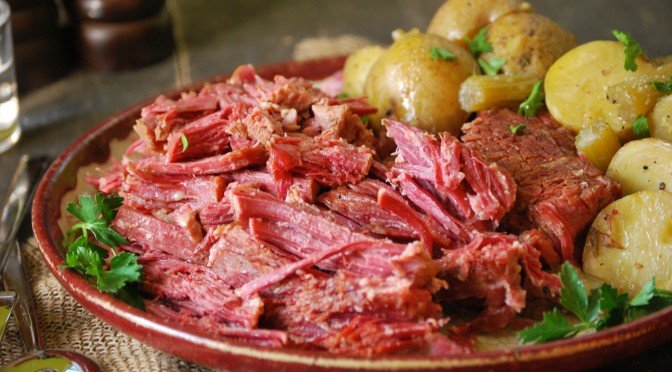
Corned beef has a wide-reaching presence in international cuisine. In the United States, it is often paired with cabbage and potatoes, especially for St. Patrick’s Day celebrations. In Jewish cuisine, corned beef is a staple for deli sandwiches, typically served on rye bread with mustard and pickles.
In the Caribbean, particularly in countries like Jamaica and Barbados, is used in hearty dishes like hash, often sautéed with onions, peppers, and spices for a quick and flavorful meal. In the Philippines, is a popular breakfast item, fried with garlic and onions and served with rice or bread.
Even in South America and parts of Europe, appears in stews, pies, and casseroles. The versatility of corned beef allows it to adapt to different flavor profiles and cultural preferences, ensuring its continued popularity worldwide.
Creative Ways to Enjoy Corned Beef
Beyond traditional recipes, corned beef can be incorporated into creative dishes. hash, for example, combines diced with potatoes, onions, and spices for a savory breakfast or brunch dish. Topped with eggs, it makes a complete and satisfying meal.
Sandwiches remain a classic way to enjoy. Hot or cold, it pairs well with cheeses, mustard, pickles, and coleslaw, offering endless variations for taste and texture. Some chefs even use corned beef in fusion recipes, like tacos or pasta dishes, demonstrating its adaptability in modern cuisine.
Leftove can also be repurposed into soups, stews, or fried rice, ensuring that every bit of the meat is utilized efficiently. Its bold flavor makes it a standout ingredient in both simple and complex meals.
Storing and Preserving Corned Beef
Proper storage is essential to maintain the quality and safety of corned beef. Fresh should be kept in the refrigerator and used within a week, while canned beef can be stored for several months in a cool, dry pantry.
Once cooked, should be refrigerated in airtight containers to preserve flavor and prevent spoilage. Freezing is also an option, particularly for larger portions, but it may slightly alter the texture. Thawing slowly in the refrigerator ensures the meat retains its tenderness.
Understanding proper storage techniques not only prevents waste but also allows you to enjoy corned beef at its best, whether in traditional meals or innovative recipes.
Conclusion
Corned beef is far more than a simple deli meat or holiday staple. Its rich history, unique preparation, and versatility make it a culinary ingredient with deep cultural significance. From traditional Irish dishes to Caribbean breakfasts and deli sandwiches, has adapted to numerous cuisines and tastes, demonstrating its enduring appeal.
Whether you are slow-cooking a fresh brisket, frying up a breakfast hash, or creating a gourmet sandwich, offers flavor, nutrition, and culinary flexibility. With the right techniques and a bit of creativity, this classic ingredient can be transformed into dishes that are both comforting and exciting.
Corned beef remains a testament to the art of curing, the legacy of cultural cuisine, and the joy of flavorful, hearty meals.