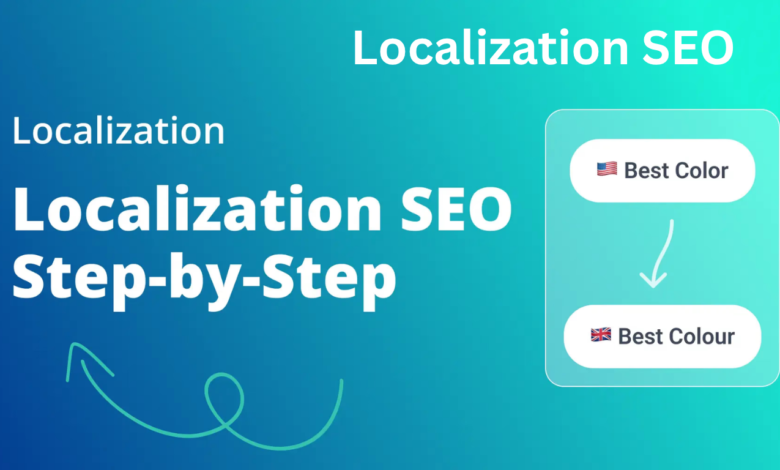
Localization SEO is more than just translating content—it’s about adapting your website to meet the cultural, linguistic, and search behavior expectations of a specific audience. In today’s global digital space, businesses are no longer limited by geography, which means your SEO strategy must evolve as well. That’s where SEO becomes a game-changer.
When you implement localization correctly, you ensure that your content resonates with users in different regions. This includes everything from using the right keywords to adjusting tone, currency, units, and even cultural references. Simply put, it helps search engines understand that your content is relevant to users in a specific location.
Another key reason localization SEO matters is competition. Many businesses overlook local nuances when expanding globally, giving you an edge if you do it right. By focusing on region-specific optimization, you can rank higher in local search results and connect more effectively with your target audience.
Key Elements of a Successful Localization SEO Strategy
A strong localization SEO strategy starts with keyword research tailored to each region. You cannot rely on direct translations of keywords because search behavior varies across countries. Instead, you need to identify how people actually search in that specific language and location.
Another important element is localized content creation. This means adapting your content to reflect local culture, preferences, and context. For example, humor, idioms, and even color symbolism can differ greatly between regions. Localization ensures your message feels natural rather than forced.
Technical optimization also plays a major role. Implementing hreflang tags, using country-specific domains (like .uk or .pk), and optimizing page load speed for different regions are all crucial. These technical aspects help search engines serve the correct version of your site to the right audience.
On-Page Optimization Techniques for Localization
On-page optimization is where Localization SEO truly comes to life. Start by optimizing your meta titles and descriptions in the local language. Make sure they include region-specific keywords and align with how users search in that market.
Content structure is equally important. Use headings, subheadings, and formatting that match local reading habits. For instance, some regions prefer shorter paragraphs, while others may engage more with detailed explanations. Localization ensures your content is both readable and relevant.
Additionally, don’t forget about multimedia elements. Images, videos, and even icons should be culturally appropriate. Alt text should also be localized, as it contributes to SEO rankings and accessibility. All these small details add up to create a powerful localized experience.
Technical SEO Considerations for Localization SEO
Technical SEO is the backbone of any localization strategy. One of the most critical aspects is implementing hreflang tags correctly. These tags tell search engines which language and region your content is targeting, preventing duplicate content issues.
URL structure is another important factor. You can choose between subdirectories (example.com/fr/), subdomains (fr.example.com), or country-code top-level domains (example.fr). Each option has its pros and cons, but the key is consistency and clarity.
Website performance also matters. Your site should load quickly in all target regions. Using content delivery networks (CDNs) can help improve speed globally. Localization SEO is not just about content—it’s also about delivering a seamless technical experience to users everywhere.
Content Localization vs Translation in Localization SEO
One common mistake is assuming that translation alone is enough. While translation converts text from one language to another, goes much deeper. It adapts the content to fit cultural and contextual expectations.
For example, a marketing message that works in one country might not resonate—or could even offend—in another. Localization ensures your content is culturally sensitive and relevant, increasing user engagement and trust.
Another difference lies in keyword usage. Translated keywords may not match local search intent. SEO focuses on finding the right terms people actually use, which significantly improves your chances of ranking higher in search results.
Common Mistakes to Avoid in Localization SEO
One of the biggest mistakes in localization SEO is duplicate content. Simply copying and translating pages without proper hreflang implementation can confuse search engines and hurt your rankings.
Another common issue is ignoring local search engines. While Google dominates globally, some regions rely on other platforms. A well-rounded SEO strategy considers these differences and adapts accordingly.
Lastly, many businesses overlook user experience. Localization SEO is not just about search engines—it’s about people. If your site feels unnatural or difficult to navigate, users will leave quickly, increasing your bounce rate and negatively impacting your rankings
Benefits of Investing in Localization SEO
Investing in localization SEO can significantly expand your reach. By targeting multiple regions effectively, you open the door to new markets and audiences that were previously inaccessible.
It also improves conversion rates. When users see content in their native language and cultural context, they are more likely to trust your brand and take action. SEO builds that connection naturally.
Finally, it strengthens your brand globally. A well-executed localization SEO strategy shows that you understand and respect your audience, which enhances your reputation and long-term growth potential.
Conclusion Taking Your SEO Global with Localization SEO
Localization SEO is no longer optional for businesses aiming to grow internationally—it’s essential. From keyword research to technical optimization and cultural adaptation, every aspect plays a role in your success.
By focusing on SEO, you ensure that your content not only reaches a global audience but also resonates with them. It’s about speaking the language of your users—both literally and culturally.
If you’re serious about scaling your online presence, now is the time to invest in localization SEO. With the right strategy, you can boost your rankings, increase engagement, and unlock new opportunities across the world.