Introduction to Paraffin Wax
Paraffin Wax is one of those underrated materials that most of us encounter regularly without even realizing it. From candles and cosmetics to therapeutic treatments, paraffin wax plays a quiet yet important role in our daily lives. Derived from petroleum, coal, or shale oil, this white or colorless soft solid has become a staple in various industries thanks to its versatility, affordability, and wide range of applications.
When you think about candles might be the first thing that comes to mind—and for good reason. It’s the most common material used in candle-making due to its clean-burning nature and ability to hold fragrance and color well. However, its usefulness extends far beyond the glow of candlelight. It’s also a key ingredient in skincare treatments, packaging, and even industrial processes.
In this article, we’ll take a deep dive into everything you need to know about paraffin wax—what it is, how it’s made, its many uses, and why it remains such a valuable material across countless industries. Whether you’re curious about its benefits or simply want to understand its practical applications, this guide will cover it all in detail.
What Exactly Is Paraffin Wax?
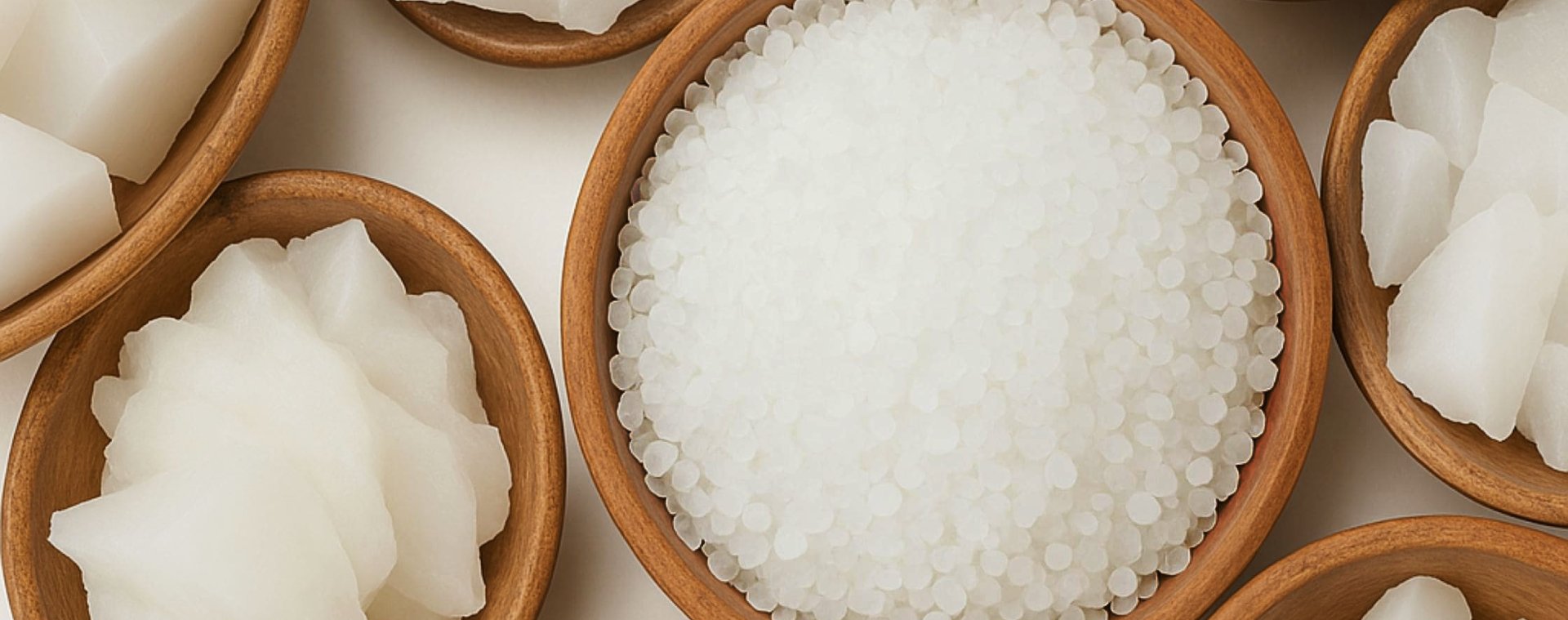
Paraffin Wax is a type of hydrocarbon compound that is solid at room temperature but melts easily when heated. It was first developed in the mid-1800s as a by-product of refining petroleum. Chemically, it’s composed mainly of saturated hydrocarbons, which are molecules containing only hydrogen and carbon atoms. This chemical makeup is what gives its distinctive smooth texture, translucency, and low reactivity.
One of the main characteristics that makes paraffin wax so useful is its ability to melt and solidify repeatedly without significant changes to its structure. This property allows it to be molded into different shapes and reused multiple times, making it perfect for manufacturing, therapeutic, and cosmetic uses. The melting point of generally ranges between 46°C and 68°C (115°F to 154°F), depending on its specific composition and intended purpose.
Additionally, paraffin wax is both odorless and tasteless in its pure form, which is why it’s often used in food packaging and cosmetics. It forms a barrier that helps seal in moisture, protect against contaminants, and improve the longevity of certain products. Despite being derived from petroleum, refined is considered safe for human use, provided it meets proper quality standards.
How Paraffin Wax Is Made
The process of producing paraffin wax starts with crude oil—the same raw material used to make gasoline and diesel. During the refining process, crude oil is separated into different components based on their boiling points. One of these components is a waxy substance that solidifies at room temperature. This is known as slack wax.
Slack wax undergoes further purification and refining to remove impurities such as oil and other hydrocarbons. Through a process called “dewaxing,” the oil content is reduced, leaving behind the purified The final product is then cooled, filtered, and sometimes bleached to achieve the desired level of purity and color. Manufacturers may also adjust the wax’s melting point to suit specific applications by blending it with other types of waxes or additives.
The result is a versatile material that can be found in several grades—each suited to particular uses. For instance, fully refined paraffin wax is used in cosmetics and food packaging, while semi-refined wax is often used for candles or industrial coatings. This multi-stage production process ensures that the final product is both clean and functional, meeting the diverse needs of different industries.
Common Uses of Paraffin Wax
Paraffin wax is incredibly versatile, which is why it’s used in a wide range of industries. One of its most popular uses is in candle-making. Because it burns cleanly and evenly, it’s a favorite among candle manufacturers. It also holds color and fragrance exceptionally well, allowing for the creation of scented candles that can fill a room with a pleasant aroma.
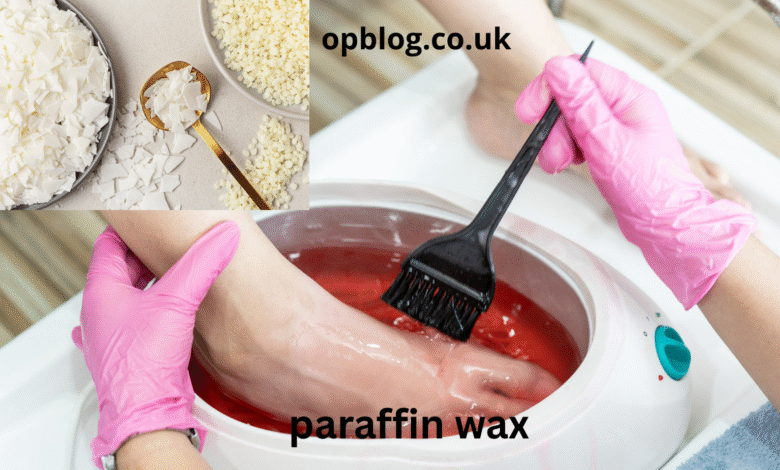
In addition to candles, paraffin wax is widely used in the cosmetic and wellness industry. It’s a key ingredient in moisturizing creams, lip balms, and ointments because it forms a protective layer on the skin, locking in moisture and helping with dryness. treatments are also popular in spas, where melted wax is used for hand and foot therapy to soften the skin and ease joint pain.
Beyond the personal care realm, paraffin wax plays an essential role in industrial applications. It’s used in coatings for paper and cardboard to make them water-resistant, in electrical insulators, and even in the production of matches and crayons. The food industry uses to coat certain fruits, cheeses, and candies to preserve freshness and improve appearance. Clearly, this humble wax does far more than just light up a candle.
Health and Therapeutic Benefits
One of the most fascinating uses of paraffin wax is in therapy and wellness. Paraffin wax therapy involves immersing hands, feet, or other body parts into warm, melted wax. Once the wax cools and hardens, it is peeled away—leaving behind soft, hydrated skin. This simple yet effective treatment helps increase blood flow, relax muscles, and relieve stiffness in the joints.
It’s often recommended for people suffering from arthritis, fibromyalgia, or other conditions that cause chronic pain. The heat from the wax penetrates deep into muscles and tissues, soothing inflammation and improving circulation. Many physical therapists and chiropractors use paraffin wax therapy as part of their pain management programs.
Additionally, the moisturizing benefits of paraffin wax make it a favorite in skincare routines. It helps restore the skin’s natural oils, making it smoother and more supple. When combined with essential oils or fragrances, it can turn a simple treatment into a relaxing and rejuvenating experience.
Environmental Concerns and Alternatives
While paraffin wax has many benefits, it’s important to recognize that it is a petroleum-based product. This means that its production contributes to the consumption of fossil fuels, and when burned, it can release small amounts of carbon dioxide and other pollutants into the air. Although the environmental impact is relatively low compared to other petroleum products, it has led to the growing popularity of eco-friendly alternatives.
One of the most common alternatives is soy wax, which is derived from soybean oil. It’s biodegradable, renewable, and produces less soot when burned, making it an environmentally conscious option for candle makers. Another alternative is beeswax, which is naturally produced by honeybees and emits a pleasant, honey-like fragrance when burned. Palm wax and coconut wax are also gaining popularity due to their sustainable sourcing and clean-burning qualities.
For those who love using paraffin wax but want to be more environmentally mindful, the key is to look for manufacturers that use sustainable refining methods and produce food-grade or cosmetic-grade wax with minimal impurities. Responsible sourcing and mindful consumption can help balance convenience with sustainability.
Interesting Facts About Paraffin Wax
- Paraffin wax was first introduced in the 1850s, revolutionizing candle-making by replacing tallow (animal fat), which produced unpleasant odors when burned.
- It’s non-toxic and hypoallergenic, making it suitable for people with sensitive skin or allergies.
- The wax is also used in ski and surfboard waxes to reduce friction and improve performance.
- Artists sometimes use paraffin wax in encaustic painting—a technique that involves blending pigments with hot wax for a textured and luminous finish.
- In scientific laboratories, paraffin wax is used for embedding tissue samples during microscopic analysis.
These fun facts highlight just how versatile and impactful this simple substance really is. It’s more than just candle wax—it’s a material that touches almost every corner of modern life.
Conclusion
Paraffin wax may not always get the attention it deserves, but its contributions are undeniable. From lighting up our homes to healing our hands and protecting our food, it’s a truly multipurpose material that has stood the test of time. Its affordability, availability, and adaptability make it a go-to product for countless industries worldwide.
However, as environmental awareness continues to grow, the conversation around paraffin wax is also shifting toward sustainability and alternative options. Even so, paraffin wax remains a reliable and practical material that’s deeply woven into modern living.