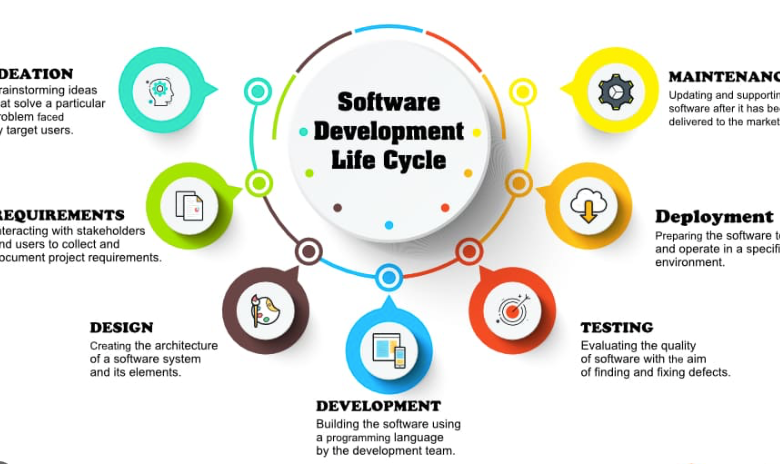
SDLC Phases refers to the structured process used in software development to design, develop, and maintain applications efficiently. The Software Development Life Cycle (SDLC) provides a roadmap for project planning, execution, and quality assurance. Understanding SDLC phases is essential for developers, project managers, and businesses to ensure timely delivery of high-quality software.
Each SDLC phase focuses on specific goals and deliverables, creating a systematic approach to software development. From initial planning to final deployment, SDLC help reduce errors, control costs, and improve collaboration among teams. By mastering SDLC phases, organizations can streamline workflows and produce software that meets user expectations.
Planning Phase in SDLC
The first of the SDLC phases is planning, which sets the foundation for the entire software project. During this phase, teams define objectives, scope, and requirements for the software. Proper planning ensures that resources are allocated efficiently and potential risks are identified early.
Project managers work closely with stakeholders during this SDLC phase to establish timelines, budgets, and project feasibility. Decisions made in the planning phase influence the success of subsequent SDLC phases, making it a critical step in the life cycle.
Additionally, the planning phase often involves creating a project charter or requirement specification document. This document guides the project team through design, development, and testing while serving as a reference for evaluating progress and success.
Requirement Analysis Phase
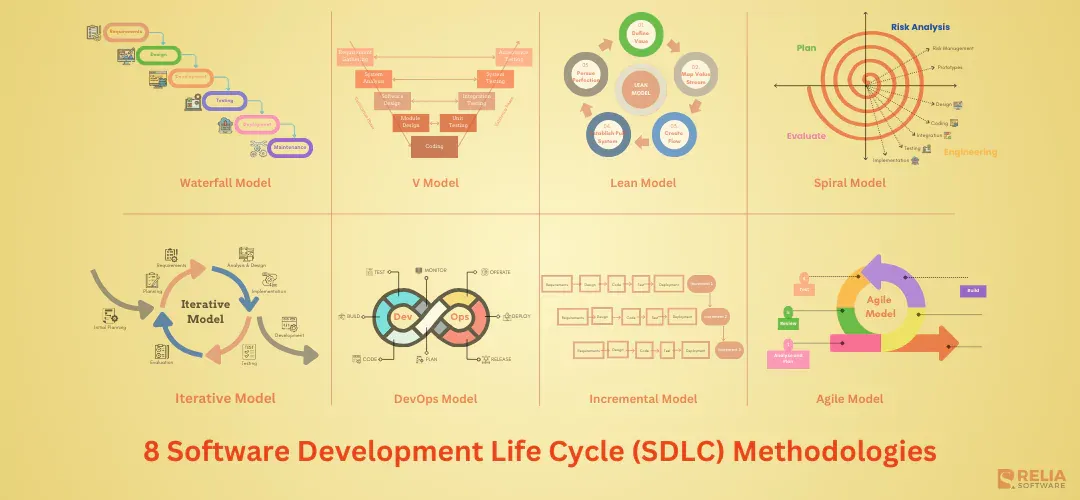
Once the project is planned, the next SDLC Phase is requirement analysis. This phase focuses on understanding the needs and expectations of end-users and stakeholders. Detailed requirement gathering ensures the software meets its intended purpose.
Analysts and developers collaborate to identify functional and non-functional requirements during this SDLC phase. Functional requirements specify what the software should do, while non-functional requirements address performance, usability, and security concerns.
Clear documentation of requirements during this SDLC phase prevents misunderstandings and reduces the risk of costly revisions later. Proper analysis also helps teams anticipate challenges and align the software design with business goals.
Design Phase of SDLC
The design phase is the stage where the software architecture is planned based on gathered requirements. This SDLC phase focuses on creating detailed models and blueprints that developers follow during coding.
During the design phase of SDLC phases, teams create system architecture diagrams, database designs, and user interface prototypes. These deliverables provide clarity and serve as guidelines for the development team.
Additionally, the design phase ensures that technical standards, scalability, and security measures are incorporated into the software. By addressing design early, organizations minimize errors and streamline development in subsequent SDLC phases.
Implementation or Coding Phase
The implementation phase is where the actual development occurs. In this SDLC phase, developers write code based on the design specifications to build a functional application.
Each component of the software is developed, tested individually, and integrated systematically. The coding phase of SDLC phases requires strict adherence to coding standards and best practices to ensure quality and maintainability.
Version control, code reviews, and collaborative tools are often employed during this SDLC phase to enhance productivity and reduce errors. This phase transforms design documents into a working application ready for testing and deployment.
Testing Phase
Testing is a crucial SDLC phase that ensures software functionality, performance, and security meet project requirements. During this phase, testers identify defects, verify fixes, and validate that the software performs as expected.
Various testing methods, including unit testing, integration testing, and user acceptance testing, are conducted in the SDLC phases. These procedures help ensure a bug-free, reliable, and high-performing application.
The testing phase also allows teams to evaluate whether the software meets user requirements. Effective testing reduces post-release issues, enhances user satisfaction, and saves costs associated with fixing defects later.
Deployment Phase
After thorough testing, the software enters the deployment phase. This SDLC phase involves releasing the application to end-users, either gradually or fully.
Deployment requires careful planning to minimize downtime and disruption. Teams often use staging environments and phased rollouts to ensure a smooth transition. This SDLC phase ensures that users can access and utilize the software as intended.
Monitoring performance and gathering user feedback during the deployment phase is critical. These insights can inform maintenance and future updates, reinforcing the importance of this SDLC phase.
Maintenance Phase
Maintenance is the final SDLC phase and focuses on updating, improving, and supporting the software after deployment. Maintenance ensures the application continues to meet user needs, adapts to changing environments, and fixes any post-release issues.
Activities in this SDLC phase include bug fixes, performance enhancements, and feature updates. Continuous monitoring and support help extend the software’s life cycle and maintain user satisfaction.
Effective maintenance in SDLC phases also involves updating documentation, training materials, and ensuring compatibility with new technologies. Regular maintenance prevents software obsolescence and maximizes return on investment.
Conclusion
Understanding SDLC phases is essential for successful software development. From planning to maintenance, each phase plays a crucial role in delivering high-quality, reliable, and user-friendly applications.
By following SDLC phases, teams can streamline workflows, reduce errors, and ensure timely project completion. Whether for large-scale enterprise software or small applications, mastering SDLC phases enhances project efficiency and client satisfaction.
Organizations that implement the SDLC phases effectively gain a competitive advantage by producing software that aligns with business goals, meets user expectations, and adapts to future needs.