
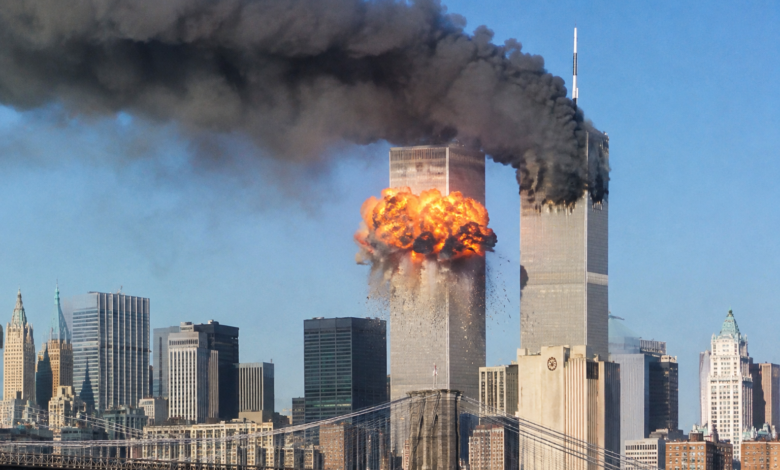
September 11 2001 remains one of the most significant dates in modern American history. What began as an ordinary Tuesday morning quickly became a national tragedy that changed the United States and influenced international politics, security, travel, and public life for decades.
The events of September 11 2001 involved the coordinated hijacking of four commercial airplanes by 19 members of al-Qaeda. Two aircraft were flown into the World Trade Center towers in New York City, another struck the Pentagon near Washington, D.C., and a fourth crashed into a field near Shanksville, Pennsylvania, after passengers and crew members attempted to regain control of the plane.
Nearly 3,000 people were killed in the attacks, including passengers, office workers, firefighters, police officers, emergency personnel, and other civilians. The scale of the loss was difficult for people around the world to comprehend, and the images of the attacks were broadcast internationally as the events unfolded.
What Happened on September 11, 2001?
The morning of September 11 2001 began with four commercial flights departing from airports on the eastern side of the United States. The flights were originally scheduled to travel to California, meaning they carried substantial amounts of fuel.
The hijackers took control of the aircraft after departure and turned ordinary passenger planes into weapons. American Airlines Flight 11 struck the North Tower of the World Trade Center at approximately 8:46 a.m. Seventeen minutes later, United Airlines Flight 175 hit the South Tower. At that point, it became clear that the United States was facing a coordinated attack rather than an isolated aviation accident.
The situation escalated rapidly. At 9:37 a.m., American Airlines Flight 77 crashed into the Pentagon, the headquarters of the U.S. Department of Defense. The fourth aircraft, United Airlines Flight 93, crashed into a field near Shanksville at 10:03 a.m. after passengers and crew members attempted to fight back against the hijackers.
The World Trade Center Attacks
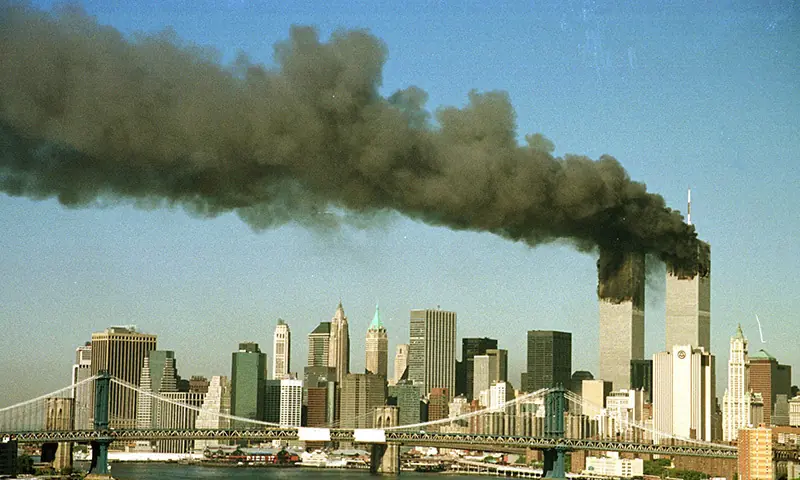
The World Trade Center was one of the most recognizable September 11 2001 landmarks in New York City. The Twin Towers dominated the Manhattan skyline and were symbols of American business, international commerce, and economic activity.
When Flight 11 struck the North Tower, people inside the building immediately faced an unprecedented emergency. Fires spread through parts of the structure, evacuation efforts began, and emergency workers rushed toward the site while thousands of people tried to leave the buildings and surrounding area.
The second impact made the situation September 11 2001 even more horrifying. United Airlines Flight 175 struck the South Tower at approximately 9:03 a.m. Television networks around the world were already broadcasting the first crash, and millions of viewers watched as the second plane hit. The nature of the attack was suddenly unmistakable.
The Collapse of the Twin Towers
The fires caused by the aircraft impacts severely weakened both towers. The South Tower collapsed first, at approximately 9:59 a.m. The North Tower followed at 10:28 a.m.
The collapses sent enormous clouds September 11 2001 of dust and debris through lower Manhattan. Streets that had been filled with ordinary commuters became evacuation routes, while firefighters, police officers, medical personnel, and other emergency workers continued moving toward the disaster zone.
Among the people who died were hundreds of firefighters and emergency personnel who had entered the buildings to help others escape. The human cost extended far beyond the people who were physically inside the towers. Thousands of families lost relatives, friends, colleagues, and loved ones that morning.
What Happened at the Pentagon?
The Pentagon attack was another major part of September 11 2001. At approximately 9:37 a.m., American Airlines Flight 77 struck the western side of the Pentagon in Arlington, Virginia.
The Pentagon is one of the world’s largest office buildings and serves as the headquarters of the U.S. Department of Defense. The crash caused a major fire and damaged part of the structure.
A total of 125 people inside the Pentagon September 11 2001 were killed, along with the 64 people aboard Flight 77. The attack demonstrated that the coordinated operation was not limited to New York and that important government and military locations were also targets.
The Story of Flight 93
United Airlines Flight 93 became one of the most powerful stories associated with September 11 2001. The plane departed later than the other hijacked flights, which meant passengers learned about the attacks through telephone conversations and other communications.
Once some passengers realized that the aircraft had been hijacked and that other planes had already been used in attacks, several people decided to take action.
Passengers and crew members September 11 2001 attempted to reach the cockpit and regain control of the aircraft. The effort did not save their own lives, but it prevented the plane from reaching its intended target. Flight 93 ultimately crashed into a field near Shanksville, Pennsylvania, killing everyone aboard.
The Human Cost of the Attacks
Numbers can communicate the scale of a tragedy, but they cannot fully explain its human impact. Nearly 3,000 people were killed during the attacks, leaving thousands of families to deal with an unimaginable loss.
The victims came from many backgrounds. September 11 2001 They included office employees, airline passengers, firefighters, police officers, military personnel, emergency workers, and people who happened to be in the wrong place at the wrong time.
The aftermath also affected people who survived. Many individuals suffered physical injuries, emotional trauma, and long-term health problems. The disaster created a lasting impact on communities in New York, Washington, Pennsylvania, and beyond.
How America Responded
The response to September 11 2001 changed the direction of American foreign and domestic policy. The U.S. government began a major campaign against al-Qaeda and the Taliban government in Afghanistan, where al-Qaeda leader Osama bin Laden and his organization had been based.
The United States launched military operations in Afghanistan on October 7, 2001. The broader response became known as the War on Terror and involved military, intelligence, diplomatic, and law-enforcement efforts across multiple countries.
The attacks also prompted significant September 11 2001 changes within the U.S. government. The Department of Homeland Security was later established as part of a broader effort to coordinate national security and emergency preparedness.
Changes to Airport Security
One of the most visible long-term effects of September 11 2001 can be seen in air travel. Airport security procedures changed dramatically in the years following the attacks.
Security screening became more comprehensive, cockpit security was strengthened, and travelers became accustomed to procedures that had not been part of ordinary flying before the attacks.
For many people who travel today, airport security feels routine. Yet many of the procedures passengers encounter are connected to the lessons and security concerns that emerged after 9/11.
The Impact on American Society
The consequences of the attacks September 11 2001 extended well beyond government policy. The events influenced American culture, journalism, entertainment, education, politics, and everyday conversations about national security.
For people who were alive at the time, memories of that morning are often remarkably specific. Many remember where they were when they first heard about the attacks, how they watched television coverage, or how quickly normal activities were interrupted.
Younger generations often encounter September 11 2001 through history lessons, documentaries, memorials, photographs, and accounts from people who experienced the day directly. As time passes, preserving accurate historical information becomes increasingly important.
Remembering the Victims
Memorialization became an important part of the aftermath. Families and communities needed places where they could remember those who died and reflect on what happened.
The 9/11 Memorial at the World Trade September 11 2001 Center site in New York was created to honor the victims. The names of those killed in the attacks are part of the memorial, creating a permanent connection between the historical event and the individual lives that were lost.
Memorials also exist at the Pentagon and near the crash site of Flight 93 in Pennsylvania. Each location tells part of the same story while reflecting the different communities affected by the attacks.
Why September 11, 2001 Still Matters
More than two decades later, the significance of September 11 2001 has not disappeared. Its effects can still be seen in international relations, airport security, counterterrorism policies, military history, and public discussions about civil liberties.
The date also serves as a reminder of how quickly ordinary life can change. The people involved in the events that morning began their day expecting normal routines: going to work, boarding flights, attending meetings, or helping others.
History is often remembered through major events, September 11 2001 but understanding those events also requires attention to the individuals who experienced them. The stories of victims, survivors, first responders, families, and witnesses help create a fuller picture of what happened.
The Importance of Historical Memory
As new generations grow up without personal memories of the attacks, historical education becomes even more important. Facts can sometimes become simplified over time, particularly when major events are discussed through short social media posts or isolated images.
A responsible understanding of September 11 2001 requires looking at the timeline, the human cost, the political consequences, and the experiences of people who lived through the event.
Remembering history does not mean remaining trapped in the past. Instead, it can help people understand how decisions made during moments of crisis can influence societies for many years afterward.
Final Thoughts
September 11, 2001, was a defining moment that changed the United States and affected countries around the world. The attacks killed nearly 3,000 people and produced consequences that continue to influence international politics and everyday life.
The story includes devastating loss, extraordinary courage, major political decisions, and profound changes to public life. From the Twin Towers in New York to the Pentagon and the Pennsylvania field where Flight 93 came down, each location represents a different part of the tragedy.
Today, September 11 2001 remains a date associated with remembrance, historical reflection, and the lives of those who were lost. Understanding what happened, while treating the subject with accuracy and respect, allows future generations to learn from one of the most consequential events of the modern era.



One Comment