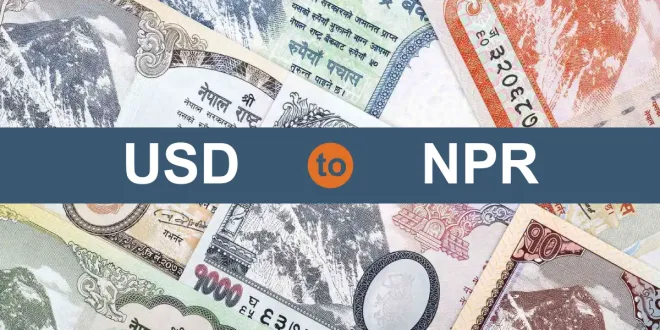
Why the USD to NPR Exchange Rate Matters
USD to NPR when we talk about the global economy, currencies play an incredibly vital role. Among the numerous exchange rates that matter to people and businesses, the USD to NPR (United States Dollar to Nepalese Rupee) stands out for those dealing between Nepal and the United States. Whether you’re a Nepali student studying abroad, a business importing American goods, or simply a traveler exploring Nepal, understanding how the USD to NPR conversion works can save you a lot of confusion—and even money.
The exchange rate between the U.S. Dollar (USD) and the Nepalese Rupee (NPR) isn’t just a number that banks post daily. It’s a reflection of economic health, global trade, and monetary policy. Over the years, this exchange rate has seen fluctuations influenced by inflation, remittance inflows, and foreign investments. Knowing the reasons behind these changes helps you make informed financial decisions.
In this article, we’ll explore everything you need to know about the USD to NPR rate—from its historical context to how it’s determined, what affects it, and how to get the best conversion rates when exchanging money.
Understanding the Basics What Is USD to NPR?
The USD to NPR rate tells us how many Nepalese rupees equal one U.S. dollar. For example, if the exchange rate is 1 USD = 133 NPR, it means one dollar can be exchanged for 133 rupees. However, this rate is not constant—it changes daily depending on multiple global and local economic factors.
The United States Dollar (USD) is one of the strongest and most widely traded currencies in the world. It serves as the world’s primary reserve currency, used in international trade and finance. On the other hand, the Nepalese Rupee (NPR) is Nepal’s official currency, managed and regulated by the Nepal Rastra Bank (NRB), the country’s central bank.
Interestingly, the NPR is pegged to the Indian Rupee (INR) at a fixed rate. Since the Indian Rupee is more closely tied to the global economy through trade and investments, changes in the INR’s value against the USD indirectly impact the NPR. This pegging system helps stabilize Nepal’s currency to some degree but also makes it vulnerable to external economic pressures.
Historical Overview of the USD to NPR Exchange Rate
Over the past few decades, the USD to NPR exchange rate has experienced a steady increase in value, meaning that the U.S. Dollar has gradually strengthened compared to the Nepalese Rupee. Back in the early 2000s, one U.S. dollar was worth around 75–80 NPR. Fast forward to today, and that value has climbed above 130 NPR, depending on market conditions.
Several factors have contributed to this long-term trend. Inflation differences between the United States and Nepal have widened the gap over time. Nepal’s trade deficit, where imports consistently exceed exports, has also created downward pressure on the rupee. Additionally, global events such as the COVID-19 pandemic, oil price fluctuations, and shifts in U.S. interest rates have influenced the value of the dollar.
Despite these changes, the NPR has remained relatively stable compared to some other developing economies. This is largely due to Nepal’s strong remittance sector—money sent back home by millions of Nepali workers abroad. These remittances help sustain the country’s foreign reserves, balancing out some of the economic challenges that could otherwise weaken the currency further.
Factors Influencing the USD to NPR Exchange Rate
Understanding what causes the USD to NPR exchange rate to rise or fall can give you valuable insight into the broader economic landscape. Let’s break down the major factors:
1. Inflation Rates:
When Nepal experiences higher inflation compared to the U.S., the value of the NPR tends to decline. This happens because rising prices in Nepal reduce the purchasing power of its currency, making the U.S. dollar stronger in comparison.
2. Interest Rates:
The U.S. Federal Reserve’s monetary policies have a global impact. When the Fed raises interest rates, the dollar becomes more attractive to investors seeking higher returns. As a result, the value of the USD rises against other currencies, including the NPR.
3. Remittances and Foreign Exchange Reserves:
Remittances are one of Nepal’s economic backbones. When Nepalis working abroad send money home, it increases the supply of foreign currency—particularly dollars—within the country. This can temporarily strengthen the NPR, depending on inflow volume.
4. Political and Economic Stability:
Political uncertainty or instability in Nepal can negatively affect investor confidence, reducing foreign investment. This lowers demand for the NPR and weakens it against the USD.
Each of these factors interacts dynamically, meaning no single element determines the rate alone—it’s always a complex mix of global and domestic influences.
How to Convert USD to NPR Understanding the Process
If you’re looking to convert USD to NPR, there are several reliable ways to do so. Most people rely on banks, exchange counters, or digital platforms.
1. Banks and Financial Institutions:
Commercial banks in Nepal, such as Nabil Bank, Himalayan Bank, and Standard Chartered, publish daily foreign exchange rates approved by the Nepal Rastra Bank. While banks offer secure transactions, they may charge small service fees or provide slightly lower rates than the official mid-market rate.
2. Money Exchange Counters:
Licensed money exchange outlets, commonly found in tourist areas like Kathmandu and Pokhara, offer quick currency conversion. However, it’s wise to compare rates before exchanging large amounts, as these counters often include hidden commissions.
3. Online Platforms and Forex Apps:
With digital banking on the rise, platforms such as Wise, Remitly, and PayPal allow international money transfers from USD to NPR. These services are convenient, but always check for transfer fees and currency markup percentages before confirming a transaction.
When converting, remember that there’s often a difference between the buying rate (what banks pay when they buy USD from you) and the selling rate (what they charge when you buy USD).
USD to NPR in Daily Life Why It Matters to You
The USD to NPR rate affects more than just bankers and economists—it impacts everyday life in Nepal. For instance, Nepali students studying in the U.S. or those applying for universities abroad need to convert large sums of rupees into dollars to pay tuition fees and living expenses. A weaker rupee means they’ll need to pay more in local currency for the same dollar amount.
Similarly, importers who bring in American electronics, cars, or machinery must pay in dollars. When the NPR weakens, the cost of imported goods rises, influencing local market prices and sometimes leading to inflation.
On the other hand, families receiving remittances benefit when the NPR weakens. For every dollar their relatives send from abroad, they get more rupees in return. This dynamic balance shows how the same exchange rate can have opposite effects depending on your situation.
Tips to Get the Best USD to NPR Conversion Rates
If you’re dealing frequently in USD and NPR, small differences in rates can make a big impact over time. Here are some tips to maximize your value:
1. Monitor Exchange Rates Regularly:
Rates fluctuate daily. Keep an eye on the Nepal Rastra Bank’s official site or reputable financial portals for updated figures.
2. Avoid Airport Exchanges:
While convenient, airport counters often offer the worst exchange rates due to higher commissions and service fees.
3. Use Online Transfer Platforms Wisely:
Compare multiple digital services before sending money. Some platforms offer real-time exchange rate locks, ensuring you get the best rate at the time of transfer.
4. Exchange During Stable Market Hours:
Currency markets are less volatile during certain periods. Mid-week days (Tuesday to Thursday) tend to show more stable rates compared to weekends or public holidays.
By applying these strategies, you can save money and avoid unnecessary losses when converting between USD and NPR.
Future Outlook What Lies Ahead for USD to NPR
Looking forward, the USD to NPR exchange rate is expected to remain moderately stable, though gradual depreciation of the NPR could continue in the long term. The U.S. economy remains strong, and as long as Nepal continues to rely heavily on imports and remittances, the exchange rate will likely favor the dollar.
However, Nepal’s economic reforms, improved trade balance, and increasing tourism could help slow the rupee’s decline. Additionally, if global inflation eases and the U.S. Federal Reserve adopts more relaxed interest rate policies, the dollar could lose some of its recent strength, offering a slight advantage to the NPR.
Ultimately, currency trends are never set in stone. Staying informed about economic developments in both countries will help you make smarter financial decisions whether you’re investing, trading, or planning international travel.
Conclusion Mastering the USD to NPR Conversion
In the world of finance, understanding how the USD to NPR exchange rate works is more than just checking a number online—it’s about recognizing the economic relationships between two nations. From trade and remittances to travel and education, the exchange rate touches almost every aspect of Nepal’s financial landscape.
By knowing what affects the value of the dollar and rupee, how to convert currencies effectively, and what to expect in the future, you’ll not only save money but also gain a deeper appreciation of how interconnected our economies truly are.
So next time you see the USD to NPR rate fluctuate, you’ll know there’s a story behind those numbers—one shaped by global trends, national policies, and the everyday choices of millions of people.