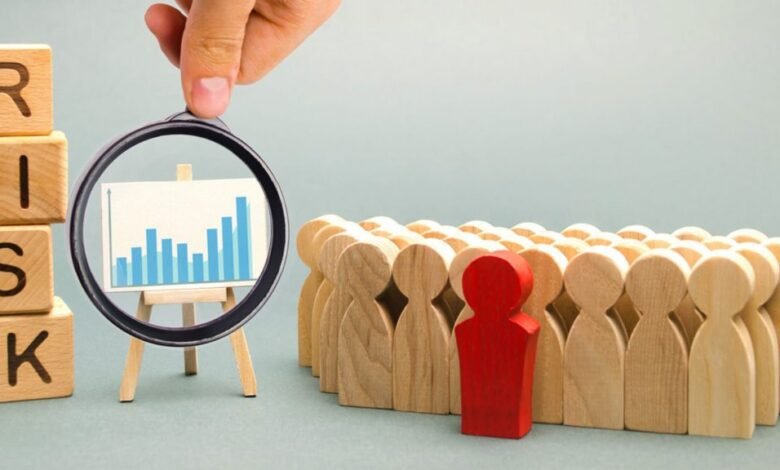
Why Fraud Risk Assessment Matters
Fraud Risk Assessment A Complete Guide to Protecting Your Business in today’s fast-paced business world, fraud is not just a possibility—it’s a reality. Every organization, regardless of its size or industry, faces some level of exposure to fraudulent activities. That’s where fraud risk assessment comes into play. It’s not just another compliance requirement; it’s a strategic process that helps businesses identify where they’re vulnerable and how they can protect themselves from financial, operational, and reputational damage.
A proper fraud risk assessment acts like a diagnostic test for your organization’s internal health. It identifies weak points in controls, detects red flags, and provides actionable steps to reduce the likelihood of fraud before it occurs. Whether it’s employee theft, data manipulation, vendor collusion, or accounting misstatements, fraud can take many forms—and without a structured approach to identifying risks, businesses often find out too late.
In this article, we’ll break down what fraud risk assessment really means, why it’s crucial for every modern organization, and how you can perform one effectively. By the end, you’ll understand how to build a solid anti-fraud framework that not only detects fraud but actively prevents it.
What Is a Fraud Risk Assessment?

At its core, a Fraud Risk Assessment (FRA) is a systematic process designed to identify and evaluate potential risks of fraud within an organization. The goal is to uncover where and how fraud might occur, who might be capable of committing it, and what controls or safeguards are currently in place—or missing—to prevent it.
Unlike traditional financial audits that focus on verifying numbers, fraud risk assessments are proactive. They aim to understand behavior, systems, and motivations. An effective FRA doesn’t just look at past incidents—it anticipates future threats by analyzing the company’s structure, operations, and environment.
The process typically involves identifying possible fraud schemes, assessing their likelihood and potential impact, and then determining how well existing controls mitigate those risks. It’s a mix of data analysis, interviews, and expert judgment. When done properly, it provides management with a clear picture of where to focus resources to minimize vulnerabilities.
The Importance of Conducting Fraud Risk Assessments
Fraud can cripple even the most successful organizations. Financial losses are only part of the damage—there’s also loss of trust, legal consequences, and reputational harm. A fraud risk assessment is the first step in building resilience against such threats.
One of the biggest advantages of conducting an FRA is early detection. It helps organizations identify suspicious patterns, weak internal controls, or behaviors that may lead to fraud. In some cases, it can even deter employees from engaging in fraudulent activities simply because they know the company is actively monitoring risks.
Additionally, performing regular fraud risk assessments can improve corporate governance. It demonstrates to regulators, investors, and stakeholders that the company takes integrity seriously. In sectors like finance, healthcare, and manufacturing—where compliance standards are strict—an FRA is often seen as a best practice or even a requirement.
Ultimately, the value of a fraud risk assessment lies in its ability to save organizations from costly mistakes. Instead of reacting to fraud after it occurs, businesses can act preemptively, strengthening their systems and protecting their future.
Key Components of a Fraud Risk Assessment
A comprehensive fraud risk assessment isn’t just a checklist—it’s a structured process that involves multiple components working together. Let’s break down the essential parts that make up an effective FRA:
Identification of Fraud Risks:
The first step is to identify potential fraud risks that could affect the organization. This involves understanding the nature of operations, key financial processes, and the company’s control environment. Common fraud types include asset misappropriation, financial statement fraud, corruption, and data theft.
Assessment of Likelihood and Impact:
Once the risks are identified, each is evaluated based on how likely it is to occur and how damaging it would be if it did. This step often involves using a risk matrix or scoring system to prioritize which threats need the most attention.
Evaluation of Existing Controls:
After ranking the risks, the next step is to assess the strength of existing controls. Are there effective checks and balances in place? Are employees properly trained? Are audits conducted regularly? This evaluation helps reveal gaps between risk exposure and control effectiveness.
Together, these components form the backbone of a successful fraud risk assessment. Without them, organizations would be navigating blind in an increasingly complex risk environment.
The Process How to Conduct a Fraud Risk Assessment
Conducting a fraud risk assessment might sound intimidating, but breaking it into clear steps makes it manageable. Here’s a straightforward process that most organizations follow:
Assemble the Right Team
A cross-functional team is essential. It should include professionals from finance, internal audit, compliance, HR, and operations. Their combined expertise ensures that risks are identified from all angles.
Identify Risk Areas
Every business process—from payroll to procurement—has unique vulnerabilities. The goal is to map out where fraud could occur. This could involve reviewing transaction histories, internal control systems, or even employee behavior patterns.
Evaluate and Prioritize Risks
Once the risks are identified, assign each one a score for likelihood and impact. For example, procurement fraud might have a moderate likelihood but a high financial impact, while expense reimbursement fraud might be low impact but more common.
Assess Controls and Gaps
Next, analyze whether current controls are sufficient. Are there approval processes, segregation of duties, and audits in place? If not, outline what’s missing and develop recommendations for improvement.
Develop an Action Plan
The final step is to turn insights into action. This could mean implementing new policies, strengthening oversight, or providing fraud awareness training. The goal is to ensure that all identified risks have corresponding controls.
By following these steps, organizations can establish a robust fraud risk management framework that evolves with their business.
Common Fraud Risks in Organizations
Fraud can take many forms, and knowing the most common ones helps companies prepare. Below are some of the most frequent types of fraud risks uncovered during assessments:
Financial Statement Fraud:
This occurs when management manipulates accounting records to present a more favorable financial position. It might involve inflating revenues, concealing liabilities, or falsifying assets to attract investors or meet performance targets.
Asset Misappropriation:
One of the most common types of fraud, asset misappropriation involves employees stealing or misusing company resources. Examples include theft of cash, inventory, or even misuse of company credit cards.
Corruption and Bribery:
These schemes involve unethical relationships between employees and external parties, such as vendors or government officials. Kickbacks, bid rigging, and conflicts of interest fall under this category.
Cyber and Data Fraud:
In the digital age, fraudsters also target company data. Cyber fraud includes hacking, phishing, and unauthorized access to sensitive information. These risks are growing rapidly as businesses move toward digital platforms.
Recognizing these risks is half the battle. A good fraud risk assessment helps organizations spot these red flags before they turn into major losses.
How Technology Enhances Fraud Risk Assessment
Modern technology has revolutionized how businesses detect and prevent fraud. Today, companies use data analytics, artificial intelligence (AI), and machine learning (ML) to identify suspicious patterns that might otherwise go unnoticed.
Data analytics allows organizations to analyze massive volumes of transactions for anomalies. For example, if an employee repeatedly approves payments just under a review threshold, it could indicate potential fraud. AI tools can flag these patterns in real time, allowing for quicker intervention.
Moreover, technology enhances efficiency. Traditional assessments often relied heavily on manual reviews, which are time-consuming and prone to human error. Automated systems can now continuously monitor transactions, making fraud prevention a 24/7 operation.
In short, integrating technology into fraud risk assessment makes it smarter, faster, and more accurate—helping businesses stay one step ahead of fraudsters.
Building a Strong Anti-Fraud Culture
Even with the best controls and technology, an organization’s culture plays a critical role in preventing fraud. A strong ethical culture discourages misconduct and promotes accountability at every level.
To foster this culture, leadership must lead by example. When executives demonstrate honesty and transparency, it sets the tone for the entire organization. Employees are more likely to follow suit when they see that ethical behavior is rewarded, not overlooked.
Regular communication and training are equally important. Conduct workshops on recognizing fraud red flags, reporting mechanisms, and the consequences of unethical actions. Encourage employees to speak up through anonymous reporting channels or whistleblower programs.
Ultimately, a culture of integrity is the most powerful weapon against fraud. It builds trust, strengthens teamwork, and ensures that everyone is working toward the same goal—protecting the organization’s reputation and resources.
Conclusion Staying Ahead of Fraud
Fraud is an ever-present threat in today’s business environment, but it doesn’t have to be inevitable. With a well-structured fraud risk assessment, companies can stay proactive rather than reactive. The key lies in regularly evaluating risks, strengthening internal controls, and nurturing a culture of integrity.
A fraud risk assessment isn’t just a one-time exercise—it’s an ongoing commitment to transparency and good governance. As businesses grow and evolve, so do the methods fraudsters use. That’s why continuous monitoring, technological integration, and employee engagement are essential.
In the end, the cost of prevention is always less than the cost of recovery. By prioritizing fraud risk assessment, organizations protect not only their finances but also their credibility and long-term success.