Semi Formal Attire be honest — when you see on an invitation, there’s a good chance your first reaction is mild panic followed by standing in front of your wardrobe doing absolutely nothing. You’re not alone. Semi formal attire is one of the most commonly misunderstood dress codes out there, sitting in that tricky middle zone where too casual feels disrespectful and too formal feels like you missed the point entirely.
But here’s the good news: is actually one of the most wearable and flattering dress codes once you understand what it’s asking of you. It gives you room to express your personal style while still looking polished, intentional, and occasion-appropriate. This guide covers everything — what semi formal attire actually means, how to wear it, and how to make sure you always get it right.
What Is Semi Formal Attire and Where Does It Fit
Semi formal attire occupies the sweet spot between smart casual and full black tie. It’s the dress code you’ll encounter most often at cocktail parties, evening weddings, corporate dinners, award ceremonies, and upscale social gatherings. It tells you to dress up — genuinely dress up — without requiring a tuxedo or a floor-length ball gown.
Understanding where semi attire sits on the formality spectrum is the first step to nailing it. Below it sits business casual and smart casual. Above it sits black tie and white tie. Semi formal essentially asks you to bring your best self without going full red-carpet. That balance is exactly what makes it such an elegant and versatile dress code when approached correctly.
The definition of semi formal attire has also shifted somewhat with time. A generation ago, it had stricter rules and clearer boundaries. Today, it allows more personal expression, adapts to the venue and time of day, and acknowledges that fashion itself has evolved. An evening semi formal event calls for something different from a daytime one, and a rooftop gathering reads differently from a ballroom setting. Semi formal attire gives you a framework — your job is to use your judgment within it.
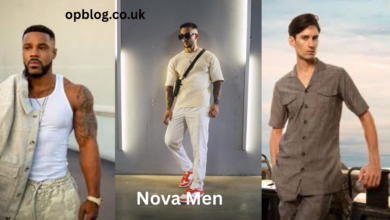
Semi Formal Attire for Men Building the Perfect Look
Underneath the suit, a crisp dress shirt in white or pale blue is the classic move, and for good reason — it works every single time. Whether or not you add a tie depends on the specific event and how formal the semi formal attire leans. For evening events, a tie almost always elevates the look and signals that you put real thought into your outfit. For afternoon or relaxed semi formal gatherings, leaving the top button open and skipping the tie is a perfectly acceptable interpretation of attire. A pocket square adds a touch of personality without being over the top.
Footwear and accessories complete the picture. Leather Oxford or Derby shoes in black or dark brown are the standard choice and they need to be clean and well-maintained. Scuffed, worn shoes drag down even the sharpest suit. Pair them with a matching leather belt, a simple watch, and you’re done. Semi formal attire for men rewards simplicity and precision — it’s not about how many accessories you can stack but how well each element works together as a whole.
Semi Formal Attire for Women Options That Actually Work
Women have a broader range of choices within semi formal attire, which sounds like a good thing — and it is — but it also means more decisions to navigate. The key is understanding which options genuinely fit the semi formal attire brief and which ones push too far in either direction.
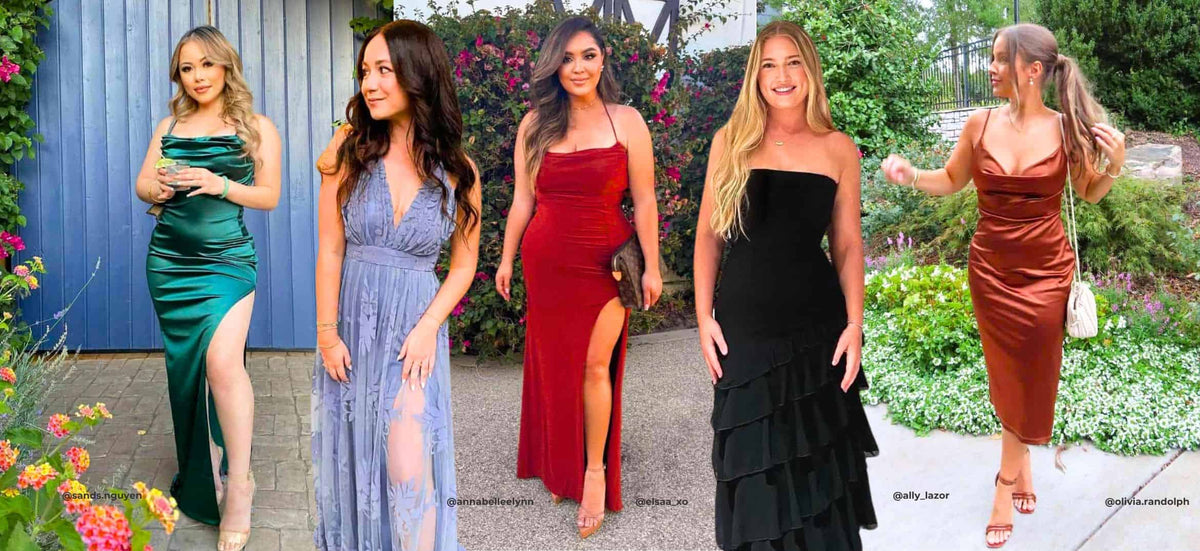
The cocktail dress is the definitive choice for women attire. Landing between the knee and mid-thigh, it hits the ideal length for the dress code — elevated without crossing into black tie territory. Fabrics like silk, chiffon, structured crepe, and lace communicate the sophistication that semi attire calls for. Rich, deep colors — emerald, burgundy, navy, champagne — work particularly well for evening occasions, while softer tones suit afternoon events beautifully. A well-chosen cocktail dress in the right fabric is semi formal at its most effortless.
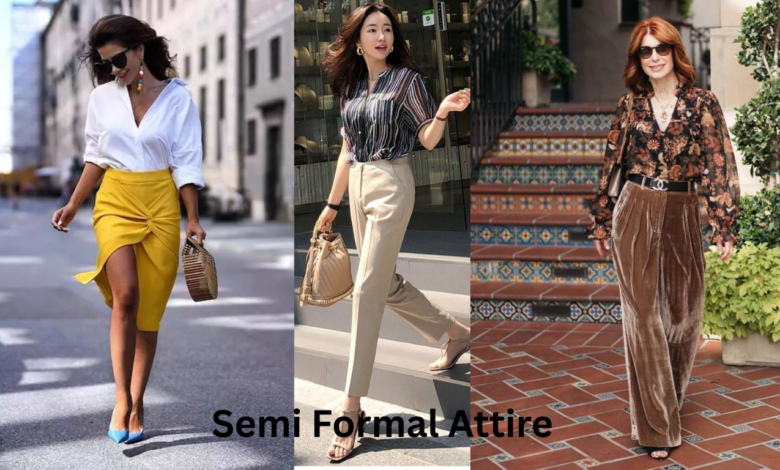
Midi dresses and dressy separates are equally valid interpretations of semi formal attire and have become increasingly popular. A silk blouse paired with a tailored midi skirt, or wide-leg dress trousers with an elegant structured top, can look just as sophisticated as a cocktail dress when done right. The important thing is that both pieces carry equal weight — formal attire falls apart when one element is clearly dressier than the other. Keep the energy consistent throughout the outfit.
A sharp, well-tailored pantsuit is another strong option for semi formal attire, particularly for evening events. Fashion has long moved past the idea that women must wear dresses to formal occasions, and a pantsuit in a luxurious fabric like silk, velvet, or fine wool can be genuinely striking in a semi formal setting. Pair it with heels or dressy flat sandals, add thoughtful jewelry, and you have a formal attire look that stands out for all the right reasons.
Choosing the Right Colors and Fabrics for Semi Formal Attire
Color and fabric are two of the most underestimated elements of semi formal attire, and getting them right makes a significant difference in how polished your overall look feels. The right combination communicates that you understand the dress code and took it seriously.
For evening deeper and richer tones tend to do the heavy lifting. Navy, black, burgundy, forest green, deep purple, and champagne all carry the sophistication that evening occasions demand. These shades photograph well in low lighting, pair naturally with metallic accessories, and project the kind of quiet confidence that is all about. For daytime semi formal attire, lighter colors — blush, powder blue, soft ivory, warm taupe — are entirely appropriate and bring a refreshing, modern feel to the dress code.
Fabric selection is equally critical to pulling off semi formal attire successfully. Silk, satin, velvet, structured crepe, and fine wool are the fabrics that belong in this dress code. They drape elegantly, hold their shape, and communicate luxury in a way that synthetic or casual materials simply cannot. Velvet has made a major comeback and is one of the best fabric choices for evening — it photographs beautifully and adds instant richness to any look.
What to avoid is worth spelling out clearly. Denim has no place in semi formal attire regardless of how dark or expensive it is. Jersey cotton, relaxed linen, athletic fabrics, and anything with a casual silhouette all fall outside the boundaries attire. Graphic prints, distressed finishes, and overly casual cuts send the wrong message entirely. If the fabric or fit feels like it belongs in a casual setting, it doesn’t belong in semi formal attire.
The Biggest Semi Formal Attire Mistakes People Make
Even with a clear understanding of the dress code, mistakes happen. Some of them are subtle; some are obvious. Either way, knowing what to watch for helps you avoid them with confidence.
Overdressing is a real issue. Some people treat semi formal attire as nearly interchangeable with black tie, showing up in tuxedos or full-length gowns when the occasion called for something considerably less dramatic. While erring toward formal isn’t the worst thing in the world, it signals that you didn’t read the invitation carefully and can create an awkward dynamic in the room. has a specific range — stay within it.
Underdressing is more common and arguably more damaging. Treating semi formal attire as an excuse to dress up your casual wardrobe — dark jeans with a blazer, a sundress, or casual loafers — misses the mark entirely. Semi formal attire is an invitation to genuinely elevate your look, and declining that invitation is noticeable. The people who look best at semi formal events are the ones who embraced the dress code fully, not the ones who met it halfway.
Poor fit is the mistake that undermines more than any other. Clothes that are too loose look sloppy and unintentional. Clothes that are too tight look uncomfortable and strained. Semi formal attire rewards precision and good tailoring above almost everything else. If your suit needs taking in or your dress needs a hem adjusted, get it done. Tailoring is not a luxury for semi attire — it’s a necessity that separates a good look from a great one.
Final Thoughts on Semi Formal Attire
Semi formal attire is fundamentally about showing up with intention. It’s a dress code that respects the occasion and the people hosting it, and when you approach it that way, the whole process becomes much less stressful. You’re not trying to be the best-dressed person in the room — you’re trying to look like someone who took the event seriously and had enough style to do it well.
Get the foundations right — appropriate clothing, quality fabric, excellent fit, and thoughtful accessories. Read the specific event context before you decide on your final look. And give yourself enough time to put together properly rather than rushing at the last minute. Master those habits and semi formal attire will never feel like a challenge again.