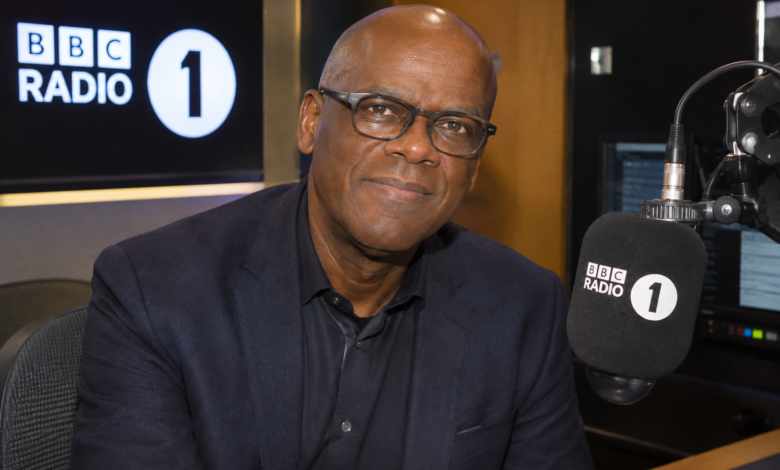
Trevor Nelson is one of those British broadcasters whose name has become closely associated with soul, R&B and urban music. Long before streaming platforms made it easy to discover almost any song instantly, he was helping listeners find new artists and rediscover classic records through radio, clubs and television.
His career has stretched across several decades, taking him from London’s early club and pirate-radio scene to major broadcasting platforms including BBC Radio 1, BBC Radio 1Xtra, BBC Radio 2 and MTV. Along the way, he has also worked as a DJ, presenter, music curator and television personality.
What makes his story particularly interesting is the consistency of his connection with music. Trevor Nelson did not simply build a career around presenting songs. He became known for understanding the culture surrounding the music and introducing audiences to artists, sounds and records that deserved attention.
Who Is Trevor Nelson?
Trevor Nelson is a British DJ, broadcaster and music presenter known particularly for his work with soul, R&B and black music. His broadcasting career has included some of the UK’s biggest radio networks, while his DJ work has taken him to clubs, festivals and events in Britain and internationally.
His professional journey started well before his biggest television and radio appearances. According to a BBC biography, Nelson began DJing at an early age and later established the Madhatter sound system, organizing warehouse parties before moving into pirate radio. He became particularly associated with the Soul II Soul Sunday night sessions at London’s Africa Centre.
That early experience helped shape the style that later became a major part of his broadcasting identity. Instead of approaching music purely from a mainstream chart perspective, he developed his reputation through specialist knowledge and a strong connection with club culture.
Trevor Nelson’s Early DJ Career

Before becoming a familiar face and voice on national broadcasting, Trevor Nelson was deeply involved in London’s club scene. His early work with sound systems gave him practical experience of reading a crowd and understanding which records could create a memorable atmosphere.
His association with Soul II Soul was another important stage in his development. The BBC’s biography notes that Nelson developed a friendship with Jazzie B and worked with him on the second Soul II Soul shop in London.
That period was significant because Soul II Soul was becoming an influential force in British music. For Nelson, being connected to that environment provided an opportunity to work around artists, DJs and audiences who were helping shape the UK’s evolving dance and R&B culture.
How Trevor Nelson Got Into Radio
Radio eventually became one of the most important parts of Nelson’s career. He initially worked on the pirate-radio station Kiss FM, where he developed his broadcasting experience while continuing his busy DJ schedule.
When Kiss FM became a legal station in 1990, Nelson moved into a daytime role and also became a director. This was a major step because it gave him a platform beyond individual club nights and allowed his musical knowledge to reach a much larger audience.
In 1993, he joined Cooltempo, an EMI record label, as Club Promotions Manager. The position connected him directly with artists and music promotion, with acts including Arrested Development and Gang Starr among those he worked with according to the BBC biography.
Trevor Nelson and BBC Radio 1
In 1996, Trevor Nelson moved to BBC Radio 1, where he presented The Rhythm Nation. The move placed him on one of Britain’s most influential national radio stations.
His BBC career quickly expanded. Within a year, he had another Saturday afternoon programme, and he also won DJ of the Year at the MOBO Awards. He released his first compilation album, Pure Grooves, during the same period.
Radio 1 gave Nelson a much larger platform, but the move did not mean abandoning the specialist music knowledge that had defined his earlier career. Instead, his broadcasting work allowed him to bring that knowledge to listeners who might not have encountered the same records through mainstream radio.
That combination of accessibility and musical expertise became a recurring feature of his career.
His Work With MTV
Radio was not the only major platform available to Trevor Nelson during the late 1990s. In 1998, he joined MTV as presenter of The Lick, a programme focused on black music. He also presented The Lick Chart later that year.
Television introduced a different challenge. Radio allows a presenter to concentrate almost entirely on voice and music, whereas television requires a stronger on-screen presence. Nelson successfully moved between the two formats.
His MTV work also reinforced his association with R&B, hip-hop and related genres at a time when music television remained an important way for younger audiences to discover artists.
Trevor Nelson and the MOBO Awards
Awards and major music events became another part of Nelson’s broadcasting career. His early recognition included the MOBO DJ of the Year award, and the BBC biography records that he later won the Best DJ award again in 1999.
He also co-hosted the MOBO Awards on multiple occasions. His presenting work alongside artists and entertainers helped establish him as more than a specialist radio DJ.
For someone whose career began in London’s underground club environment, appearing at major televised music events represented a considerable transition. Yet the subject matter remained familiar: music, artists and the culture surrounding them.
Trevor Nelson on BBC Radio 2
Over time, Nelson’s broadcasting career expanded to BBC Radio 2. A BBC commissioning document describes him as one of the station’s presenters and identifies his show as serving a broad 35-plus audience while also acting as a gateway for listeners aged 35 to 54.
His presence on Radio 2 illustrates how his career has evolved with his audience. The listeners who discovered him through earlier radio and television work have grown older, while his programmes continue to connect established soul and R&B records with newer material.
The BBC has also described Nelson as a music expert and broadcaster with a strong profile on the network. His work demonstrates how specialist music programming can remain relevant even as the way audiences consume music changes.
His Connection With Soul and R&B
Soul and R&B have always been central to Trevor Nelson’s identity as a broadcaster. His programmes have frequently combined classic records with newer sounds, allowing listeners to hear connections between different generations of music.
The BBC Concert Orchestra described him as an award-winning BBC Radio 2 and Radio 1Xtra DJ and a champion of R&B music worldwide when promoting Trevor Nelson’s Soul Christmas at the Royal Albert Hall.
That event also showed another side of his work. Rather than simply playing records, Nelson has curated live musical experiences, bringing together singers, musicians and orchestral arrangements around soul and R&B classics.
It is this wider curatorial role that helps explain why his career has lasted for so long.
Trevor Nelson as a Music Curator
Being a successful DJ requires more than knowing which songs are popular. A good DJ understands mood, timing, history and audience expectations. Nelson’s career has repeatedly involved that kind of musical curation.
His work across radio, television, compilation albums and live events has allowed him to introduce music in different ways. Sometimes that means playing a classic track that listeners already know; at other times, it means giving attention to an artist who deserves a larger audience.
This approach has helped him remain relevant as the music industry has changed. Physical records gave way to CDs, then downloads and streaming, but the basic appeal of discovering a great song has remained.
Trevor Nelson’s Television and Event Work
Nelson’s broadcasting career has not been limited to radio and music television. The BBC’s earlier talent biography records appearances and hosting roles across BBC channels, MTV, ITV and Channel 4, including work connected with major music and cultural events.
He has also appeared in BBC sports coverage. During the London 2012 Olympics, for example, he was listed among the television presenters for the ceremonies.
His involvement in different types of programming demonstrates the breadth of his media career. While music remains his strongest professional association, his broadcasting experience has allowed him to work comfortably across entertainment and major live events.
Trevor Nelson and His Football Interest
Away from music, Trevor Nelson has also publicly spoken about his interest in football. BBC Sport identified him as a Chelsea fan when he appeared as a guest in its Premier League and FA Cup prediction feature.
The BBC report noted that Nelson had been a Chelsea season-ticket holder for more than 20 years at that point. His appearance showed a more informal side of the broadcaster, away from his usual music-focused work.
For fans who know him primarily as a DJ, these appearances provide a glimpse into some of the interests he has outside the recording studio and radio booth.
Why Trevor Nelson Remains Relevant
The music industry has changed dramatically since Nelson started working in radio. Listeners today can create playlists in seconds, discover songs through social media and access enormous music libraries without waiting for a radio presenter to play a particular track.
Yet radio still offers something that algorithms do not always replicate: personality and context. A presenter can explain why a record matters, connect it with an older song or simply create a sense of shared listening.
That is where Trevor Nelson has maintained a distinctive place. His career is built around decades of musical knowledge, but he has also adapted to different broadcasting formats and generations of listeners.
Final Thoughts on Trevor Nelson
Trevor Nelson has built a remarkable broadcasting career by staying closely connected to the music he loves. From London’s club scene and pirate radio to Kiss FM, BBC Radio 1, MTV, BBC Radio 1Xtra and BBC Radio 2, his career has followed the changing shape of British music culture.
His story is also a reminder that successful broadcasting is not necessarily about chasing every trend. Nelson developed expertise in soul, R&B and related genres and carried that knowledge from one platform to another.
Today, his name remains closely linked with specialist music programming and live events. Whether he is behind a radio microphone, DJing at an event or curating a live soul performance, his career continues to revolve around the same basic idea: helping people connect with great music.
That consistency may be the most interesting part of his story. The technology surrounding music has changed repeatedly, but the experience of hearing a great record at exactly the right moment remains much the same.