Can Dogs Eat Peanuts
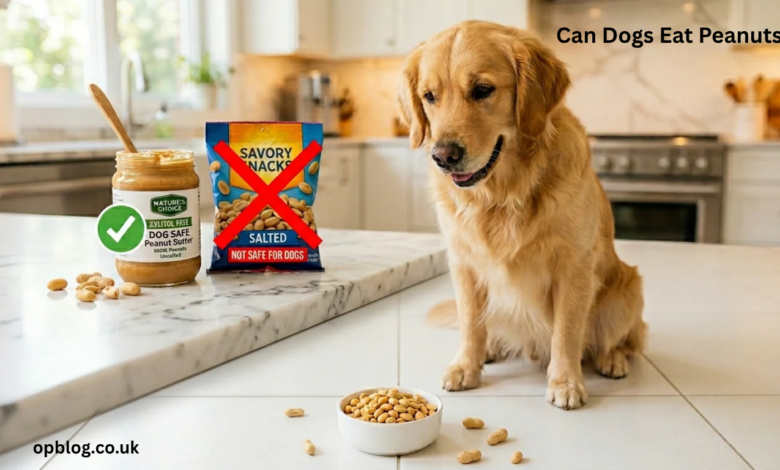
Can Dogs Eat Peanuts dogs can eat plain, unsalted, shelled peanuts in small amounts as an occasional treat. Peanuts are not generally toxic to dogs, but their high fat content, added seasonings, shells and potential choking risks mean owners should serve them carefully.
TL;DR
- Plain, unsalted, shelled peanuts can be an occasional treat for most healthy Can Dogs Eat Peanuts.
- Avoid salted, honey-roasted, chocolate-coated and seasoned peanuts, and never give peanut shells.
- Peanuts are high in fat, so keep portions small and check with your veterinarian if your dog has health or dietary restrictions.
Are Peanuts Safe for Dogs?
Yes plain peanuts without shells, salt Can Dogs Eat Peanuts or added seasonings are generally safe for most healthy dogs when offered occasionally. However, they should not become a regular replacement for balanced dog food.
Peanuts contain protein, fats, vitamins and minerals. These nutrients can contribute to a dog’s overall diet, but dogs already receive the nutrients they need from a complete and balanced food.
The main concern is the amount of fat in peanuts. Eating too many Can Dogs Eat Peanuts fatty foods can upset a dog’s stomach and may contribute to pancreatitis, a potentially serious inflammation of the pancreas.
Preparation matters just as much as quantity. A plain peanut is different from a salted snack, chocolate-covered peanut or honey-roasted product. Always check what has been added before sharing human food with your pet.
What Are the Benefits of Peanuts for Dogs?
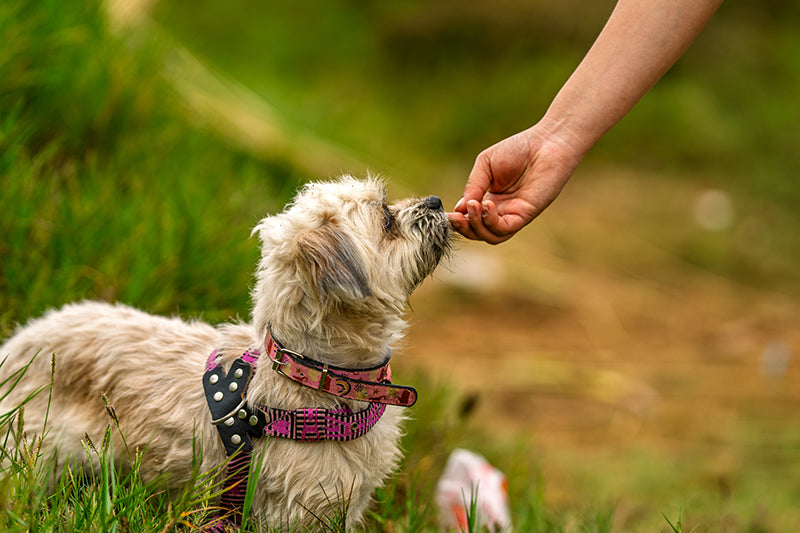
Peanuts contain several nutrients that have roles in normal canine health, including protein, Can Dogs Eat Peanuts vitamin E, niacin and vitamin B6. However, they should be considered an occasional snack rather than a nutritional supplement.
Here are some of their nutritional components:
Protein: Peanuts contain plant-based protein, which contributes amino acids used by the body for normal tissue maintenance. Dogs should still get most of their dietary protein from complete, appropriate dog food.
Healthy fats: Peanuts contain unsaturated fats. Can Dogs Eat Peanuts Fat provides energy and supports normal body functions, but too much dietary fat can cause problems for some dogs.
Vitamin E: This vitamin acts as an antioxidant and supports normal cellular function.
B vitamins: Peanuts contain nutrients such as niacin and vitamin B6, which help support normal metabolism.
Minerals: Peanuts provide minerals, including phosphorus and potassium, that have important roles in the body.
These benefits do not mean that dogs need peanuts. A properly formulated dog food should already provide the nutrients required for everyday health.
How Many Peanuts Can Dogs Eat?
There is no single peanut serving size that is appropriate for every Can Dogs Eat Peanuts. The right amount depends on the dog’s weight, health, activity level, daily calorie needs and existing diet.
A practical starting point is to offer a very small amount of plain, shelled peanut and see how your dog responds. Do not assume that a large dog can safely eat a whole handful or that a small dog should follow a fixed number chart.
Veterinary nutrition guidance commonly recommends Can Dogs Eat Peanuts keeping all treats combined to no more than around 10% of a dog’s daily calories, with the remaining calories coming from complete and balanced food. For dogs with medical conditions or prescription diets, even occasional extras may not be appropriate.
Consider these general points:
- Small dogs: Be especially cautious with portion size because even a few peanuts can add meaningful calories.
- Medium dogs: Start with a small taste rather than offering several peanuts at once.
- Large dogs: A larger body does not make high-fat snacks suitable for unlimited feeding.
If you are unsure about the amount, ask your veterinarian to consider your dog’s daily calorie allowance and health history.
Which Types of Peanuts Can Dogs Eat Peanuts Eat?
Not every peanut product is suitable for dogs. Plain, unsalted peanuts are the simplest option, while flavoured and heavily processed products can contain ingredients that create additional risks.
| Type of peanut | Safe for dogs? | Important advice |
| Plain raw, shelled peanuts | Generally yes | Offer a small amount and use fresh, human-quality peanuts |
| Plain dry-roasted peanuts | Generally yes | Choose unsalted and unseasoned varieties |
| Salted peanuts | Best avoided | Extra sodium is unnecessary and can be harmful in large amounts |
| Honey-roasted peanuts | Avoid | Added sugar, salt and coatings make them unsuitable |
| Chocolate-covered peanuts | No | Chocolate can be toxic to dogs |
| Peanuts in shells | Avoid | Shells can create choking and digestive risks |
| Spicy or seasoned peanuts | Avoid | Seasonings may irritate the digestive system or contain harmful ingredients |
For everyday feeding, plain and shelled is the safest approach. If the ingredient list is unclear, choose a different treat.
Can Dogs Eat Peanut Butter?
Dogs can eat some peanut butter, but the ingredients must be checked carefully. Choose a plain product without xylitol, excessive salt or added sugar, and offer only a small amount.
Xylitol is particularly dangerous. This artificial sweetener can appear in some sugar-free products, including certain nut butters. In dogs, it can trigger a rapid release of insulin and cause dangerously low blood sugar. Severe poisoning can also involve liver injury.
Xylitol may also appear under names such as birch sugar or wood sugar. Read the full ingredient label rather than relying on packaging that says sugar-free.
If your dog eats peanut butter containing xylitol, Can Dogs Eat Peanuts contact a veterinarian or emergency animal clinic immediately. Do not wait for symptoms to appear.
Even xylitol-free peanut butter is high in calories and fat. It should be an occasional treat, not something added freely to meals.
What Are the Risks of Feeding Peanuts to Dogs?
Although plain Can Dogs Eat Peanuts are generally non-toxic, feeding too many or choosing the wrong preparation can create health problems.
1. Digestive Upset
Too many peanuts can cause vomiting, diarrhoea, gas or stomach discomfort. Dogs that are not used to fatty snacks may be more sensitive.
If your dog develops digestive symptoms after eating peanuts, stop offering them and contact your veterinarian if symptoms persist or become severe.
2. Pancreatitis
Peanuts contain a considerable amount of fat. Large quantities or repeated high-fat treats may contribute to problems in susceptible dogs, including pancreatitis.
Possible warning signs include vomiting, reduced appetite, weakness, abdominal pain and unusual tiredness. These symptoms need veterinary assessment rather than home diagnosis.
3. Choking and Shell Problems
Can Dogs Eat Peanuts shells are fibrous and difficult for dogs to digest. They can also create choking or foreign-body concerns, especially for small dogs or pets that swallow food quickly.
Remove every shell before offering peanuts. If your dog has swallowed shells and develops vomiting, pain, difficulty swallowing or other concerning signs, contact a veterinarian.
4. Salt and Seasonings
Salted peanuts contain additional sodium that Can Dogs Eat Peanuts do not need from snacks. Flavoured products may also contain ingredients such as garlic or onion powder, which can be harmful to dogs.
Avoid sharing seasoned snack mixes, even if peanuts are only one of their ingredients.
5. Allergic Reactions
Peanut allergies in dogs are Can Dogs Eat Peanuts considered uncommon, but individual reactions are possible. Watch for itching, skin redness, facial swelling, vomiting or diarrhoea after a new food.
Facial swelling, breathing difficulty or collapse requires emergency veterinary attention.
How Should You Give Peanuts to Your Dog?

If your veterinarian has no concerns about your dog’s diet, a small amount of plain peanuts can be offered occasionally.
Follow these simple precautions:
- Choose fresh, plain peanuts without added salt or flavouring.
- Remove all shells before serving.
- Break larger pieces into smaller pieces if appropriate for your dog’s size and chewing habits.
- Start with a tiny amount rather than a full serving.
- Watch for digestive changes or signs of an allergic reaction.
- Include the calories in your dog’s overall treat allowance.
Do not leave an open packet where your dog can reach it. Dogs may eat far more than intended, particularly when the peanuts are inside a bag or snack container.
Should Every Can Dogs Eat Peanuts?
No. Some dogs are better off avoiding peanuts altogether, even when the product is plain and unsalted.
Dogs with a history of pancreatitis, obesity, digestive sensitivity or food allergies may need a different treat. Dogs following a prescription diet should not receive additional foods without approval from their veterinarian.
Puppies also need extra care because their nutritional requirements differ from those of adult dogs. A new snack should never interfere with the complete diet recommended for their growth.
If your dog has a medical condition or takes medication, ask your veterinarian before introducing peanuts or peanut butter.
Frequently Asked Questions
1. Can dogs eat peanuts every day?
It is better not to make peanuts a daily treat. They are high in fat and calories, and repeated feeding can make it harder to maintain a balanced diet and healthy weight.
2. Can Dogs Eat Peanuts salted peanuts?
Salted peanuts are best avoided. A small accidental taste is not automatically an emergency, but regularly feeding salty snacks is unnecessary and can create health concerns.
3. What should I do if my dog eats too many peanuts?
Remove the remaining peanuts, estimate how much your dog ate and check whether the product contained shells, salt, chocolate or seasonings. Contact your veterinarian for advice, particularly if the amount was large or your dog develops vomiting, diarrhoea, weakness or abdominal discomfort.
4. Can dogs eat peanut butter safely?
Yes, some dogs can have a small amount of peanut butter if it contains no xylitol and has no unsuitable added ingredients. Always check the label and remember that peanut butter is high in fat and calories.
Final Thoughts
So, can dogs eat peanuts? Yes, most healthy dogs can enjoy a small amount of plain, unsalted, shelled peanuts as an occasional snack. The important part is choosing the right product and keeping the serving modest.
Avoid shells, chocolate coatings, salty snacks and seasoned varieties. Be particularly careful with peanut butter because some products contain xylitol, which can cause life-threatening poisoning in dogs.
When in doubt, your veterinarian can help decide whether peanuts fit your Can Dogs Eat Peanuts individual diet and health needs. A simple dog treat may be a better everyday choice than sharing human snacks.