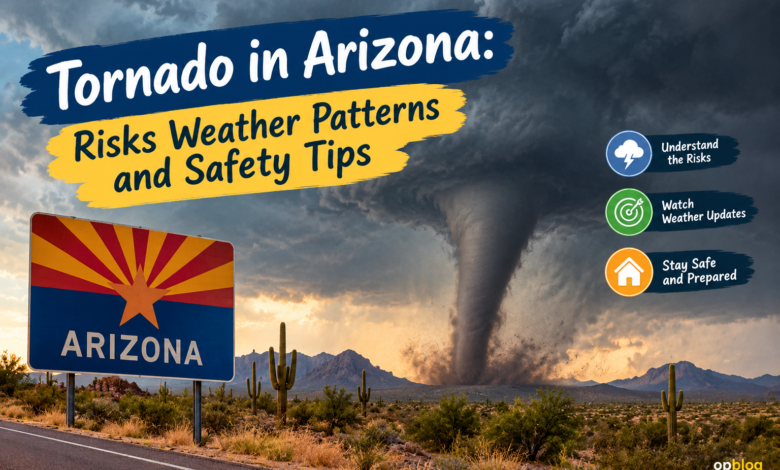
Tornado in Arizona is famous for its desert landscapes, blazing sunshine, and dramatic monsoon storms. Tornadoes might not be the first weather threat that comes to mind when people think about the state, but these powerful storms can occur in Arizona under the right atmospheric conditions. Although tornadoes are relatively uncommon compared with those in states across Tornado Alley, they remain a genuine weather hazard that residents and visitors should understand.
A tornado in arizona can develop when thunderstorms interact with changing wind patterns, moisture, and atmospheric instability. Some tornadoes are brief and relatively weak, while others can damage buildings, overturn vehicles, and threaten lives. Understanding how these storms form, where they are more likely to occur, and what to do when severe weather approaches can make a meaningful difference.
Whether you live in Phoenix, Tucson, Flagstaff, or a smaller rural community, Tornado in Arizona knowing the basics of tornado safety helps you prepare without unnecessary worry. Arizona’s weather can change quickly, especially during the summer monsoon season, so a little preparation goes a long way.
Can Tornadoes Really Happen in Arizona?
Yes, tornadoes can and do occur in Tornado in Arizona. The state experiences fewer tornadoes than many central and southeastern states, but its geography and weather patterns do not make it immune to them. Strong thunderstorms occasionally produce rotating columns of air that extend from a cloud toward the ground.
Arizona’s relatively low tornado frequency can create a false sense of security. People who associate tornadoes with flat farmland and enormous supercells may assume that desert regions cannot experience the same phenomenon. In reality, tornadoes have been documented in different parts of the state, including areas with open desert, agricultural land, and populated communities.
Not every severe storm produces a tornado, either. Many Tornado in Arizona thunderstorms bring intense rainfall, lightning, dust storms, and damaging straight-line winds without generating a rotating funnel. Still, a tornado warning should always be taken seriously, even if tornadoes are unusual in the immediate area.
What Causes a Tornado in Arizona?
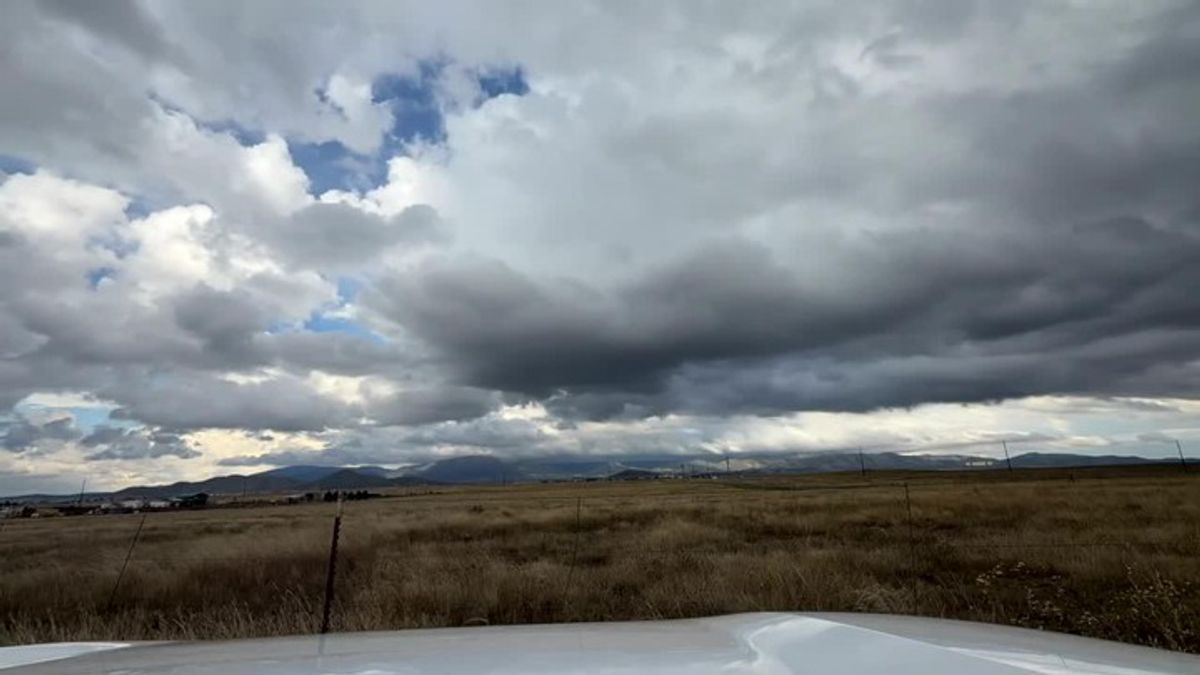
Tornado formation depends on a combination of atmospheric conditions rather than a single weather event. Warm, moist air near the surface can rise into cooler air above it, creating instability. Tornado in Arizona When strong thunderstorms develop in this environment, changing wind speed or direction with height can help create rotation.
Arizona’s summer monsoon brings seasonal changes that can support severe thunderstorms. Moisture moves into the region, temperatures remain high, and daytime heating helps warm air rise. When these ingredients combine with favorable wind patterns, some storms can become intense enough to produce damaging winds or, occasionally, tornadoes.
However, the monsoon does not automatically mean tornado Tornado in Arizona conditions are present. Many storms develop without the organized rotation associated with tornado-producing thunderstorms. Forecasters examine radar information, atmospheric measurements, storm structure, and other observations before identifying a potential tornado threat.
Another important factor is terrain. Arizona’s mountains, valleys, plateaus, and desert basins influence local wind patterns and thunderstorm development. Although the landscape does not prevent tornadoes from forming, it contributes to the varied weather conditions experienced across the state.
When Is Tornado Season in Arizona?
Tornadoes can happen at different times of the year, Tornado in Arizona but the warmer months deserve particular attention because thunderstorms become more common. Arizona’s summer monsoon generally brings increased thunderstorm activity, especially during July, August, and sometimes September. The precise timing and intensity vary from year to year.
During this period, residents may experience fast-developing storms with heavy rain, lightning, strong gusts, and blowing dust. A tornado is only one possible outcome of severe weather, and it is not the most common one. Nevertheless, monitoring forecasts during active storm periods is a sensible precaution.
Spring can also bring weather systems capable of producing severe thunderstorms in parts of Arizona. Conditions depend on the interaction between incoming weather systems, available moisture, temperature differences, and upper-level winds. There is no single month when tornadoes are guaranteed to occur or completely impossible.
Instead of relying only on a calendar, pay attention to the daily forecast. Tornado in Arizona The National Weather Service can issue watches and warnings when conditions become dangerous. Checking those alerts is more useful than assuming the weather is safe simply because it is outside the typical monsoon period.
Which Parts of Arizona Are Most at Risk?
Tornado risk varies across Tornado in Arizona because different regions experience different weather patterns. Northern and eastern parts of the state, including areas around the Colorado Plateau, can experience thunderstorms associated with changing seasonal conditions. Some storms may become strong enough to produce damaging winds or other severe weather.
Central Arizona also experiences intense thunderstorms, particularly during the monsoon season. Communities in and around the Phoenix metropolitan area may face lightning, flash flooding, dust storms, and powerful wind gusts. Tornadoes are possible, but they are not the usual outcome of the area’s summer storms.
Southern Arizona, including the Tucson region Tornado in Arizona, regularly experiences monsoon thunderstorms. These storms can develop quickly as daytime heating and incoming moisture interact. While tornadoes remain uncommon, residents should still recognize official warnings and understand where to shelter.
Rural communities and open desert areas face their own challenges. A tornado may be difficult to see clearly when rain, dust, or darkness obscures the storm. In remote locations, reaching a sturdy shelter can also take longer than it would in a developed neighborhood. Preparation is therefore important regardless of whether a community experiences tornadoes frequently.
How Dangerous Can an Arizona Tornado Be?
The danger depends on the tornado’s strength Tornado in Arizona, size, movement, and the places it crosses. A weak tornado might cause limited damage to trees, fences, roofs, or lightweight structures. A stronger tornado can damage homes, break windows, overturn vehicles, and scatter debris over a wide area.
People sometimes underestimate a tornado because it appears small or lasts only a short time. Yet even a relatively weak tornado can create dangerous flying debris. Branches, roof materials, signs, and other loose objects may become airborne, creating a serious risk for anyone outdoors or near unprotected windows.
Tornado in Arizona residents should also remember that tornadoes are not the only concern during severe thunderstorms. Lightning can strike far from the heaviest rainfall, flash flooding can develop quickly in dry washes, and strong winds can bring down trees or power lines. Dust storms can sharply reduce visibility on roads.
For that reason, a severe weather plan should account for several hazards at once. If a storm produces an official tornado warning, seek shelter immediately. If the same storm also threatens flash flooding, avoid low-lying areas and never enter a flooded roadway.
Tornado Warning vs. Tornado Watch: Know the Difference
Weather alerts can sound similar, Tornado in Arizona but their meanings are different. Understanding the distinction helps people respond at the right time instead of waiting until a dangerous storm is directly overhead.
A tornado watch means conditions are favorable for tornadoes to develop in the affected area. It does not mean a tornado has been confirmed. During a watch, review your shelter plan, keep your phone charged, monitor reliable weather updates, and remain prepared to act quickly.
A Tornado in Arizona warning means a tornado has been indicated by weather radar or reported by trained observers or other reliable sources. When a warning covers your location, take shelter immediately. Do not wait outside to look for a funnel or spend valuable time filming the storm.
Warnings may cover only part of a county or a specific area, so check the alert details carefully. Follow updates from the National Weather Service and local emergency management officials. If an alert includes your location, prioritize safety over continuing outdoor activities.
How to Stay Safe During a Tornado in Arizona
The safest place during a tornado is usually a sturdy building with a small, enclosed interior room on the lowest floor. A basement is an excellent option when available, but many Tornado in Arizona homes do not have one. In that situation, choose an interior bathroom, hallway, or closet away from windows and exterior walls.
Once inside, crouch low and protect your head and neck with your arms, a mattress, thick blankets, or a sturdy helmet if one is readily available. Keep away from glass, exterior doors, and large open rooms where falling debris could cause injuries. Stay sheltered until the warning expires or officials confirm that the danger has passed.
If you are in a mobile home, manufactured home, or temporary structure, move to a designated sturdy shelter before the storm becomes dangerous, provided it is safe to do so. These structures may not offer adequate protection from tornado winds. Plan the route to a nearby shelter in advance rather than trying to improvise during a warning.
If you are driving when a Tornado in Arizona warning is issued, avoid stopping beneath bridges or overpasses. These structures do not provide reliable tornado protection and can expose people to dangerous winds and debris. If possible, reach a substantial building. If no shelter is available, follow official emergency guidance and avoid attempting to outrun a tornado in congested traffic.
How to Prepare for Tornado in Arizona Severe Weather
Preparation starts before clouds gather. Identify the safest room in your home and make sure everyone in the household knows how to reach it. Discuss what to do if a warning arrives at night, when some family members are asleep or away from their phones.
Keep a basic emergency kit where you can reach it quickly. Useful supplies include drinking water, nonperishable food, a flashlight, spare batteries, a first-aid kit, essential medications, sturdy shoes, and a portable phone charger. Store important documents in a secure, accessible location, and consider including supplies for children or pets.
Reliable weather information is another essential part of preparedness Tornado in Arizona. Enable emergency alerts on your phone, monitor local weather reports, and consider a battery-powered weather radio if you live in an area with unreliable mobile service. Do not rely exclusively on social media posts, which may be outdated or inaccurate.
It is also wise to secure outdoor items before severe weather arrives. Patio furniture, garden equipment, bins, and other loose objects can become dangerous in strong winds. Never go outside to retrieve them once a severe thunderstorm or tornado warning is underway.
What Should You Do After a Tornado?
Wait until the immediate danger has passed before leaving your shelter. Tornado in Arizona Check official alerts and listen for emergency instructions. Even when the sky begins to clear, damaged buildings, unstable trees, broken glass, and downed electrical lines can remain hazardous.
If someone is injured, contact emergency services when it is safe to do so. Provide basic first aid if you are able, but do not enter a badly damaged building that could collapse. Avoid touching fallen power lines or objects in contact with them, and report electrical hazards to the appropriate utility or emergency service.
Be cautious around roads and drainage areas. Tornado-related debris may block streets, while heavy rain can leave washes and low-water crossings dangerous. Arizona’s desert landscape can be particularly deceptive because water may flow rapidly through normally dry channels after intense rainfall.
Once you are safe, document property Tornado in Arizona damage with photographs if conditions permit. Contact your insurer, follow local recovery instructions, and check on neighbors who may need assistance. Use official sources for information about road closures, shelter locations, and recovery resources.
How to Follow Reliable Tornado Updates in Arizona
Accurate information can save valuable time during rapidly changing weather. The National Weather Service provides forecasts, severe thunderstorm alerts, and tornado warnings through its official website and local forecast offices. Residents can also use local emergency management channels for community-specific instructions.
Weather radar can help identify developing thunderstorms, Tornado in Arizona but interpreting radar images requires care. A dramatic-looking storm image does not necessarily mean a tornado is on the ground. Conversely, a tornado may be difficult to observe directly, especially when rain or dust reduces visibility. Follow the official warning rather than trying to make your own visual assessment.
Phone emergency alerts can be particularly useful when storms arrive unexpectedly. Keep your device charged, ensure emergency notifications are enabled where supported, and avoid silencing important alerts during periods of severe weather. If you are traveling through rural Arizona, download essential maps in advance and know which nearby communities have sturdy public buildings.
When reporting information, rely on confirmed updates instead of sharing unverified claims. Incorrect reports about a tornado’s location can cause confusion when people are deciding whether to shelter or travel. Clear, timely communication is especially valuable when several communities are affected by the same storm system.
Final Thoughts on Tornado Risk in Arizona
Tornado in Arizona may not be known for frequent tornadoes, but the possibility should never be dismissed. Seasonal thunderstorms, changing wind patterns, and local atmospheric conditions can occasionally create the ingredients needed for a tornado. Even when tornadoes do not develop, severe weather can bring damaging winds, lightning, dust storms, and flash flooding.
The best response is preparation rather than panic. Learn the difference between a tornado watch and warning, identify a safe shelter, keep essential supplies ready, and follow official weather alerts. These straightforward habits can help protect you and your family when conditions change quickly.
A tornado in arizona is an uncommon event compared with the hazards of more tornado-prone states, but uncommon does not mean impossible. Staying informed and acting promptly when an official warning is issued are practical steps every Arizona resident and visitor can take.