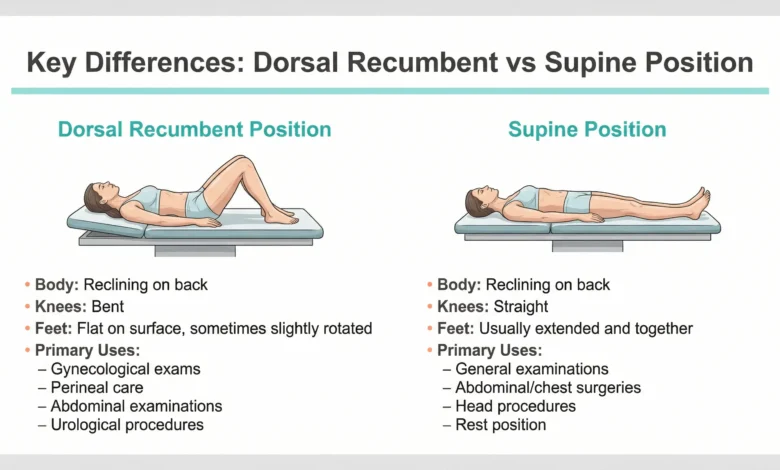
Dorsal Recumbent Position is a commonly used medical posture where a person lies flat on their back with knees bent and feet resting on the surface. It might sound technical at first, but it’s actually a very practical and widely applied position in healthcare settings. From routine examinations to specific treatments, this position makes patient access easier while maintaining relative comfort.
In simple terms, the allows healthcare professionals to examine the abdominal and pelvic areas more effectively. Unlike lying completely flat with legs extended, bending the knees reduces tension in the lower abdomen. This small adjustment can make a significant difference in both comfort and diagnostic accuracy.
Interestingly, this position isn’t limited to hospitals. It’s also used in physical therapy sessions and even in certain home-care situations. Whether it’s for a clinical exam or recovery support, the dorsal recumbent position serves as a foundational posture in patient care.
Why the Dorsal Position Matters in Healthcare
One of the biggest reasons the dorsal recumbent position is so important is accessibility. Doctors and nurses need clear, unobstructed access to specific parts of the body, especially during examinations. This position naturally exposes the abdominal and pelvic regions, making it easier to perform accurate assessments.
Beyond access, patient comfort plays a crucial role. When someone is anxious or in pain, forcing them into a rigid position can worsen the situation. The dorsal recumbent position offers a balance between accessibility and relaxation. Patients can remain relatively at ease while still allowing medical professionals to do their job efficiently.
Another key factor is safety. Certain procedures require the body to be stabilized in a way that minimizes strain. By bending the knees and supporting the back, this position reduces pressure on the spine. That’s why it’s often preferred over fully flat positions in specific scenarios.
How to Properly Position a Patient in Dorsal Recumbent Position
Getting the Dorsal Recumbent Position right is essential for both comfort and effectiveness. The patient should lie on their back on a flat surface, such as an examination table or bed. The knees are then bent, with feet placed flat and slightly apart. This alignment helps relax the lower abdominal muscles.
Support is just as important as alignment. A pillow under the head can improve comfort, while additional support under the knees may be used if needed. Small adjustments like these can make a big difference, especially during longer procedures or examinations.
Healthcare professionals also pay attention to patient communication during positioning. It’s not just about placing someone correctly—it’s about ensuring they feel comfortable and secure. Asking for feedback and making slight adjustments ensures the dorsal recumbent position is both effective and patient-friendly.
Common Medical Uses of the Recumbent Position
The dorsal recumbent position is frequently used during physical examinations, especially those involving the abdomen and pelvic region. Doctors rely on this position to check for tenderness, swelling, or abnormalities without unnecessary discomfort to the patient.
In gynecological exams, this position is particularly valuable. It allows better visibility and access while keeping the patient in a relatively natural and less stressful posture. This makes it a preferred choice in many clinical settings.
It’s also used in procedures like catheter insertion or certain types of imaging. The consistency and reliability of the dorsal recumbent position make it a go-to option across multiple medical disciplines. Its versatility is one of the reasons it remains so widely practiced.
Benefits of Using the Dorsal Recumbent
Comfort is one of the standout benefits of the dorsal recumbent position. Unlike more rigid positions, it allows the body to relax naturally. This is especially helpful for patients who may already be experiencing discomfort or anxiety.
Another advantage is improved examination accuracy. By reducing muscle tension in the abdomen, healthcare providers can perform more precise assessments. This leads to better diagnosis and more effective treatment planning.
There’s also an element of efficiency. Since the dorsal position is easy to achieve and maintain, it saves time during medical procedures. Both patients and healthcare providers benefit from this simplicity, making it a practical choice in busy clinical environments.
Differences Between Dorsal Recumbent and Other Positions
At first glance, the dorsal recumbent position might seem similar to the supine position, but there’s a key difference. In the supine position, the legs are fully extended, whereas in the dorsal, the knees are bent. This small variation changes how the body responds during examinations.
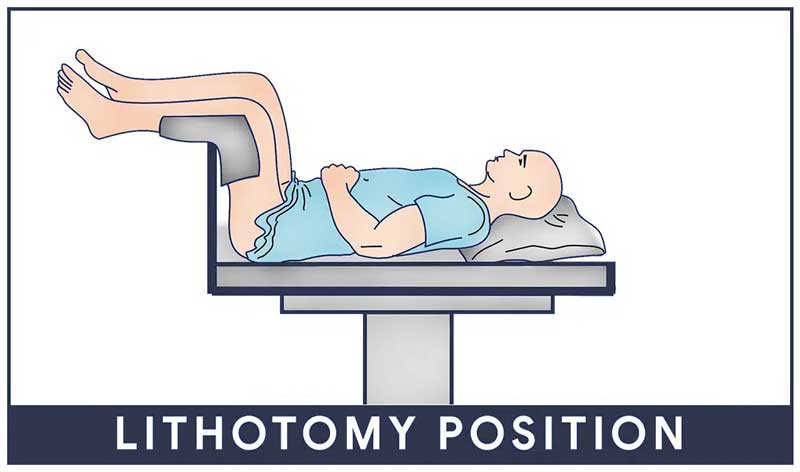
Compared to the lithotomy position, which involves raised and supported legs, the dorsal recumbent position is less invasive and more comfortable. It’s often used as a starting point before transitioning to more complex positions if needed.
Understanding these differences helps medical professionals choose the most appropriate posture for each situation. The dorsal recumbent position often strikes the perfect balance between simplicity and effectiveness, making it a preferred option in many cases.
When Not to Use the Recumbent Position
While the dorsal recumbent position is widely useful, it’s not always the best choice. Patients with severe back pain or spinal injuries may find this position uncomfortable or even harmful. In such cases, alternative positions are considered.
Certain medical conditions may also limit its use. For example, patients with breathing difficulties might struggle when lying flat, even with knees bent. Adjustments or entirely different positions may be required to ensure safety.
Healthcare providers must always assess individual needs before choosing the dorsal recumbent. What works for one patient might not work for another, and flexibility in approach is essential for effective care.
Practical Tips for Comfort and Safety
Ensuring comfort in the dorsal recumbent position starts with proper support. Using pillows or cushions can help maintain natural alignment and reduce strain on the body. Even small adjustments can significantly improve the patient experience.
Communication is another key factor. Patients should feel free to express discomfort or request adjustments. This open dialogue helps healthcare providers make necessary changes quickly and effectively.
Finally, monitoring is crucial. Even though the dorsal recumbent position is generally safe, prolonged use without adjustment can lead to discomfort. Regular checks ensure that the position remains suitable throughout the procedure or examination.
Final Thoughts on the Recumbent Position
The dorsal recumbent position may seem simple, but its importance in healthcare cannot be overstated. It provides a reliable, comfortable, and effective way to position patients for a variety of medical needs. From routine exams to specialized procedures, it continues to play a vital role.
What makes this position stand out is its balance. It offers accessibility for healthcare providers while maintaining patient comfort, which is not always easy to achieve. This combination is why it remains a standard practice across medical settings.
As healthcare continues to evolve, foundational techniques like the dorsal recumbent position remain essential. Understanding its uses, benefits, and limitations ensures better outcomes for both patients and professionals alike.