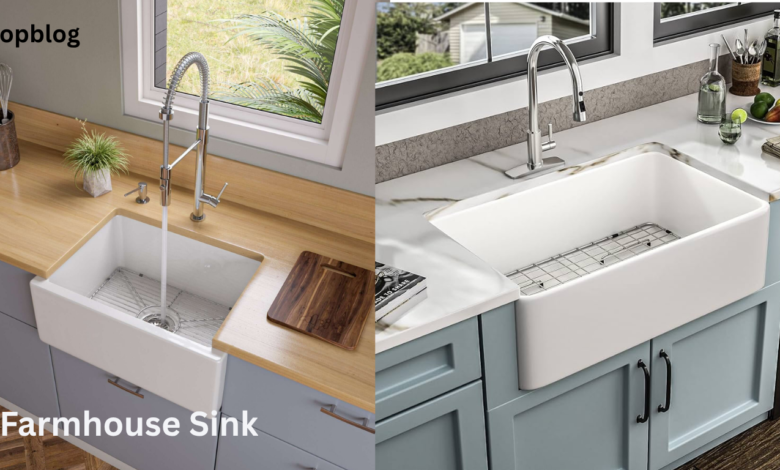
Farmhouse Sink has quietly become one of the most desired features in modern kitchens, and it’s not hard to see why. With its deep basin, exposed front, and timeless character, it brings both function and personality into the heart of the home. Unlike standard sinks that tend to blend into the countertop, this style makes a statement without trying too hard.
What makes it interesting is how it bridges old-world charm with present-day convenience. Originally designed for hardworking kitchens, the farmhouse sink has evolved into a design centerpiece. Today, it fits just as naturally in sleek modern spaces as it does in rustic settings.
If you’re thinking about upgrading your kitchen or simply exploring design ideas, understanding what makes a farmhouse sink special can help you make smarter decisions. There’s more to it than just looks—it’s about how it works for your daily routine.
What Is a Farmhouse Sink and Why It Stands Out
A farmhouse sink, often called an apron-front sink, is known for its forward-facing exposed panel. This design element is not just aesthetic; it actually serves a purpose by reducing the distance you need to lean while working. That subtle difference can make everyday tasks feel more comfortable.
Historically, these sinks were built for durability and volume. Large pots, heavy pans, and even laundry tasks were handled in these deep basins. While modern kitchens may not demand that level of utility, the spacious design still proves incredibly useful.
Another reason it stands out is its visual impact. Instead of hiding beneath the counter, the sink becomes part of the cabinetry’s design. It adds depth and dimension, turning a basic kitchen element into a focal point that draws attention in a natural way.
Materials That Define the Look and Performance
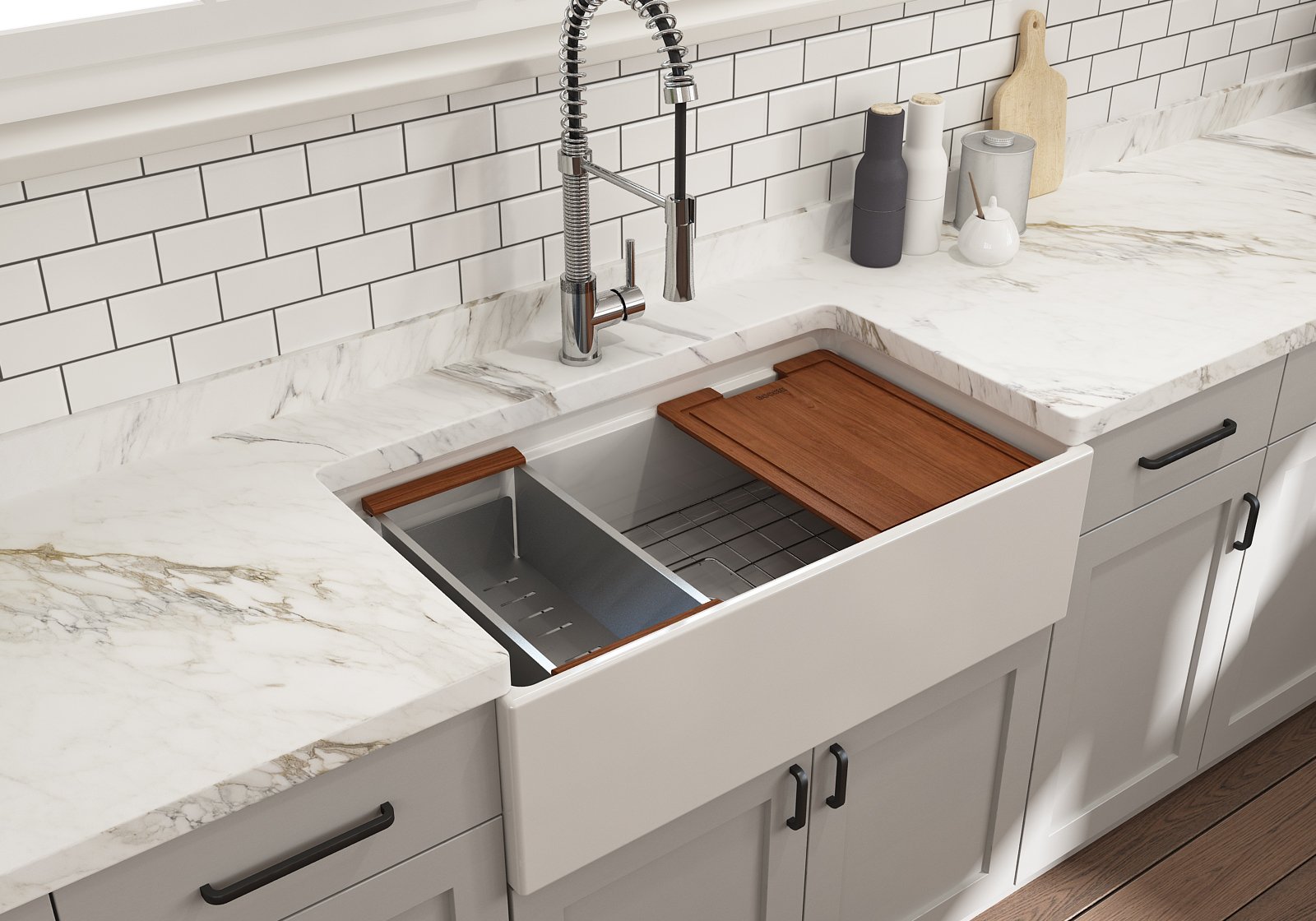
The material you choose for your Farmhouse Sink plays a huge role in both its appearance and longevity. Fireclay is one of the most popular options, offering a smooth, glossy finish that resists stains and scratches. It has that classic white look that many homeowners associate with farmhouse style.
Stainless steel is another strong contender, especially if you prefer a more modern twist. It’s durable, easy to maintain, and fits well in kitchens that lean toward contemporary design. While it lacks the traditional charm of fireclay, it makes up for it with practicality.
For those looking to make a bold statement, materials like copper or natural stone can add a unique touch. These options often develop a patina over time, giving your kitchen a lived-in feel. Each material tells its own story, so the choice ultimately comes down to your personal style and how much maintenance you’re willing to handle.
Installation Considerations You Shouldn’t Ignore
Installing a farmhouse sink isn’t exactly the same as dropping in a standard model. Because of its size and weight, it usually requires custom cabinetry or modifications to existing cabinets. This is something many homeowners overlook until they’re already deep into a renovation.
The exposed front also means measurements need to be precise. Even a small misalignment can affect the overall look of your kitchen. That’s why it’s often recommended to work with experienced installers who understand the specifics of this design.
Another factor to think about is countertop compatibility. Materials like quartz, granite, or butcher block work well, but they must be properly supported. A farmhouse sink can be quite heavy, especially when filled with water, so structural support is essential for long-term durability.
Benefits That Go Beyond Aesthetics
At first glance, a farmhouse sink might seem like a purely stylistic choice, but it offers several practical advantages. The deep basin makes washing large cookware significantly easier. You won’t find yourself struggling to fit oversized pans under a shallow faucet.
Comfort is another underrated benefit. Because the sink extends slightly outward, you don’t have to lean forward as much. This small ergonomic improvement can make a noticeable difference, especially if you spend a lot of time in the kitchen.
There’s also something to be said about its durability. Many farmhouse sinks are built to withstand heavy use, which means they can handle the demands of a busy household. When chosen carefully, they’re not just beautiful—they’re built to last.
Potential Drawbacks to Keep in Mind
Despite its many strengths, a farmhouse sink isn’t without its downsides. One common concern is the cost. These sinks, along with their installation, can be more expensive than standard options. It’s an investment that requires careful planning.
Maintenance can also vary depending on the material. For example, fireclay is relatively low-maintenance, but copper or stone may require more attention to keep them looking their best. Understanding these differences can help you avoid surprises later.
Another point worth mentioning is water splashing. Because of the forward position, some users notice more water reaching the front of the cabinet. While this can be managed with proper faucet placement and usage habits, it’s something to consider before making your final decision.
How to Style a Kitchen Around a Farmhouse Sink
Designing a kitchen around a farmhouse sink opens up a lot of creative possibilities. It naturally pairs well with shaker cabinets, open shelving, and warm wood tones. These elements enhance its rustic appeal while keeping the space cohesive.
However, you don’t have to stick strictly to traditional design. A farmhouse sink can look just as striking in a modern kitchen with clean lines and minimal decor. Pairing it with sleek hardware and neutral colors creates a balanced, updated look.
Lighting and accessories can further elevate the design. Pendant lights, vintage-inspired faucets, and simple decorative items can tie everything together. The key is to let the sink shine without overwhelming it with too many competing elements.
Choosing the Right Farmhouse Sink for Your Needs
Finding the perfect farmhouse sink involves more than picking a style you like. Size is one of the first things to consider. A larger sink offers more space but may not be suitable for smaller kitchens.
Depth is another important factor. While deeper sinks are great for handling big tasks, they can also require more bending if not installed at the right height. Balancing functionality with comfort is essential.
Finally, think about how you use your kitchen on a daily basis. If you cook frequently and deal with large cookware, a durable and spacious option will serve you well. On the other hand, if your kitchen is more about light use and aesthetics, you might prioritize design over heavy-duty performance.
Final Thoughts
A farmhouse sink is more than just a design trend—it’s a practical upgrade that can transform the way your kitchen looks and functions. Its combination of style, comfort, and usability makes it a standout choice for many homeowners.
What sets it apart is its ability to adapt. Whether your kitchen leans rustic, modern, or somewhere in between, this type of sink can fit right in. It adds character without compromising on efficiency.
In the end, the best choice is one that aligns with your lifestyle. By understanding the features, materials, and considerations involved, you can confidently choose a farmhouse sink that enhances both your space and your daily routine.