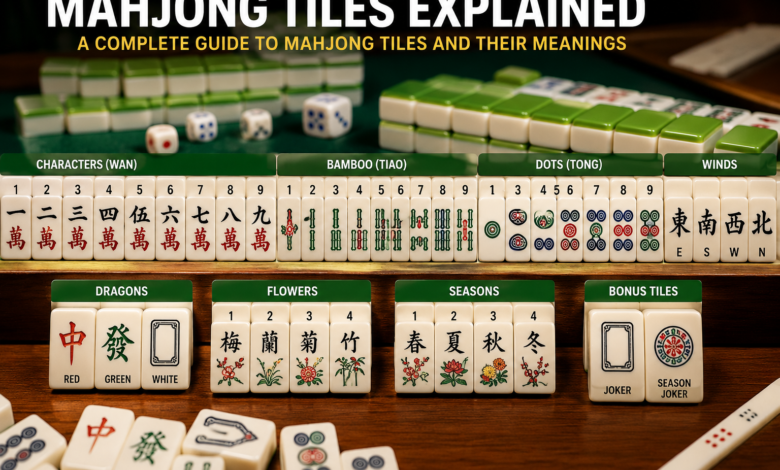
Mahjong Tiles that goes beyond the game itself. These small, carefully crafted pieces carry a deep cultural history, rooted in centuries of tradition. Originating in China, mahjong evolved from a social pastime into a global phenomenon, yet the tiles have remained at the heart of the experience.
Each set of tells a story. The symbols, characters, and designs aren’t random—they reflect elements of nature, philosophy, and everyday life. Bamboo, circles, and characters represent different suits, while honor tiles symbolize winds and dragons. This layered meaning adds depth, making the game feel more like an art form than a simple pastime.
What’s particularly fascinating is how Mahjong Tiles Explained have traveled across cultures. While the core structure remains consistent, variations in design and rules have emerged in different regions. This adaptability has helped mahjong maintain relevance, allowing new generations to connect with it in their own way.
Understanding the Structure of Mahjong
To truly appreciate the game, you need to understand how mahjong tiles are organized. A standard set typically includes 144 tiles, divided into suits and special categories. The three main suits—dots, bamboo, and characters—form the foundation of gameplay.
Beyond the suits, there are honor tiles, which include winds and dragons. These play a unique role, often influencing scoring and strategy. Unlike numbered tiles, they carry symbolic value that can shift the direction of a game in unexpected ways.
Then there are bonus tiles, such as flowers and seasons. While not always used in every variation, they add an extra layer of complexity. For beginners, the variety of mahjong tiles might feel overwhelming at first, but with time, their structure becomes intuitive and even enjoyable to navigate.
Materials and Craftsmanship Behind Tiles
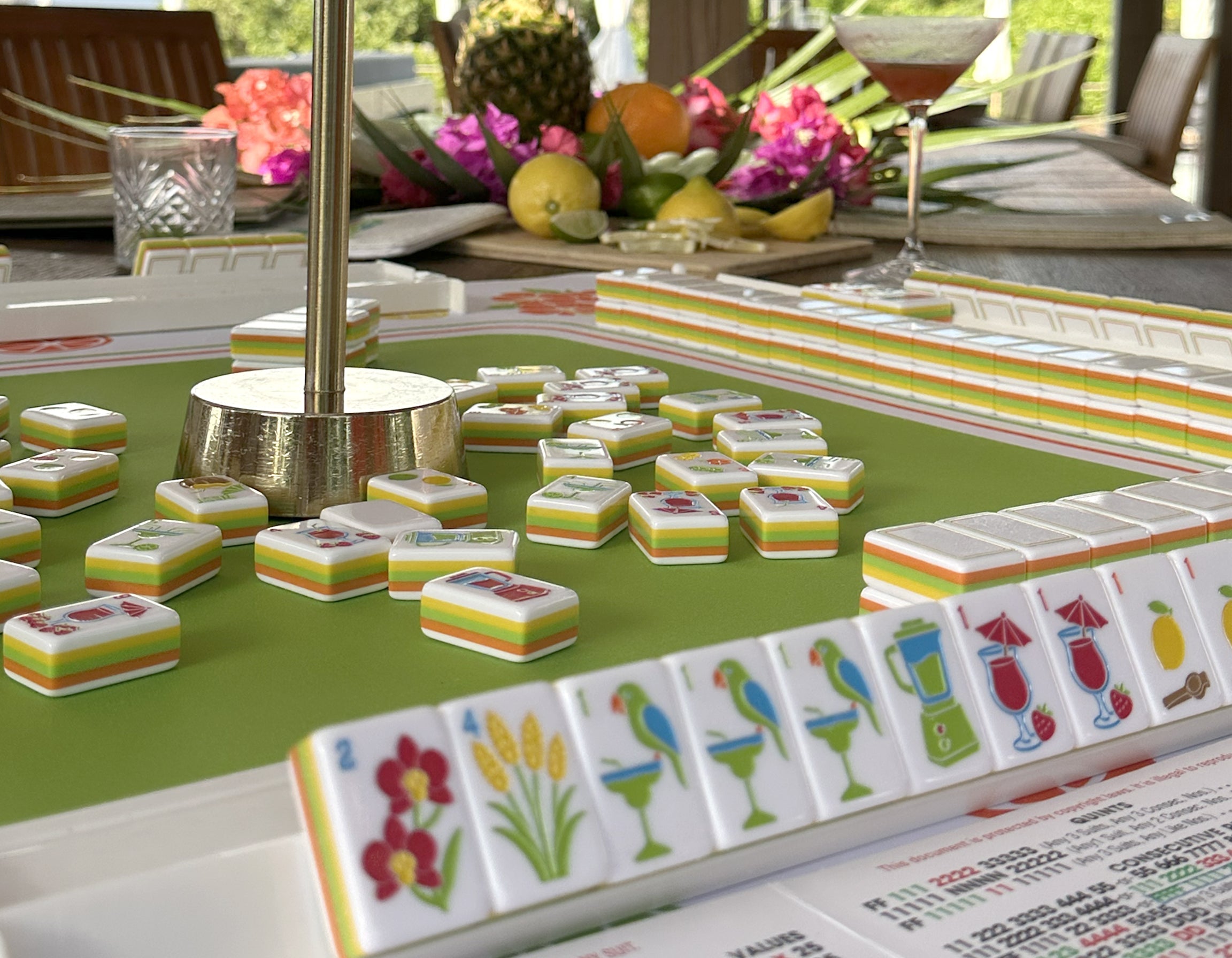
The physical quality of Mahjong Tiles can significantly impact the playing experience. Traditional sets were made from bone and bamboo, offering a distinct texture and weight. These materials gave the tiles a tactile richness that many enthusiasts still appreciate today.
Modern are often crafted from acrylic or plastic, making them more durable and accessible. While they may lack the nostalgic feel of older sets, they provide consistency and affordability, which is important for casual players and newcomers.
There’s also a growing market for premium sets. These high-end mahjong tiles focus on aesthetics, featuring intricate carvings, vibrant colors, and unique finishes. For collectors, the craftsmanship becomes just as important as the game itself, turning each set into a piece of art.
How Mahjong Tiles Influence Gameplay Strategy
Strategy in mahjong is deeply connected to how you use your Every decision—whether to keep, discard, or claim a tile—can shift the outcome of the game. Unlike many other games, mahjong requires both short-term tactics and long-term planning.
One key aspect is pattern recognition. Skilled players quickly identify potential combinations within their mahjong tiles, adjusting their approach as the game progresses. This ability to adapt is what separates casual players from experienced ones.
Another strategic layer involves reading opponents. By observing which others discard or collect, you can anticipate their moves and adjust your own strategy accordingly. This psychological element adds depth, making each game feel dynamic and unpredictable.
Popular Variations and Their Tile Differences
Mahjong isn’t a one-size-fits-all game. Different regions have developed their own versions, each with unique rules and uses for mahjong tiles. Chinese Classical, Japanese Riichi, and American Mahjong are among the most well-known variations.
In Japanese Riichi, for example, certain are emphasized differently, and the scoring system introduces additional complexity. This variation is often considered more competitive, appealing to players who enjoy a strategic challenge.
American Mahjong, on the other hand, uses a card system alongside the tiles, creating a more structured approach. The way mahjong tiles are used in this version differs significantly, offering a distinct experience that caters to a different audience.
Choosing the Right Mahjong Tiles for You
Selecting the right set of mahjong tiles depends on your preferences and playing style. Beginners might prioritize affordability and durability, opting for standard plastic sets that are easy to handle and maintain.
For those who value aesthetics, design becomes a key factor. Some feature bold, modern visuals, while others stick to traditional patterns. Choosing a style that resonates with you can enhance your overall enjoyment of the game.
It’s also worth considering size and weight. Larger mahjong tiles are easier to read, especially for beginners, while smaller ones may appeal to experienced players who prefer a more compact setup. Finding the right balance ensures a comfortable and engaging experience.
The Social Experience of Playing with Mahjong Tiles
Beyond strategy and design, mahjong tiles play a central role in creating a social atmosphere. The sound of tiles being shuffled, the rhythm of gameplay, and the shared focus among players all contribute to a unique environment.
Mahjong has long been associated with community. Whether played in family gatherings or dedicated clubs, the presence of mahjong brings people together. Conversations flow naturally, and the game becomes a backdrop for connection.
There’s also a sense of ritual involved. Setting up the tiles, building the wall, and beginning each round creates a structured yet relaxed experience. This balance is part of what makes tiles so enduring—they support both competition and camaraderie.
Final Thoughts on the World of Mahjong Tiles
At first glance, mahjong tiles might seem like simple game pieces, but they represent much more. They carry history, culture, and a level of craftsmanship that elevates the entire experience. Understanding their role adds a new dimension to the game.
What make truly special is their versatility. They adapt to different rules, styles, and player preferences while maintaining their core identity. This flexibility ensures that mahjong remains relevant across generations.
Ultimately, whether you’re a beginner or a seasoned player, the journey with mahjong tiles is both challenging and rewarding. Each game offers a chance to learn, connect, and appreciate the intricate balance between strategy and tradition.