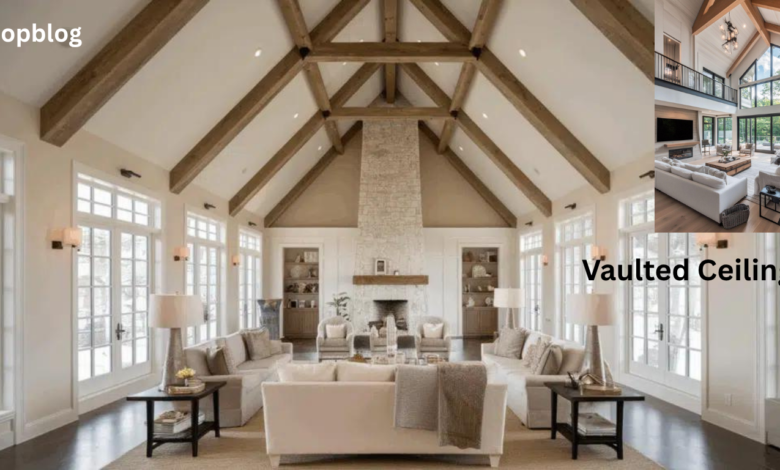
Vaulted Ceiling is more than just a design feature—it’s a statement. Instead of a flat, standard ceiling, this architectural style rises upward, often following the slope of the roof. The result is an open, airy space that instantly changes how a room feels the moment you walk in.
From a design perspective, a creates visual expansion. Even in smaller homes, it can make rooms appear larger and more inviting. This is one of the reasons homeowners and architects alike continue to favor this feature in modern construction and renovation projects.
What’s particularly interesting is how a vaulted ceiling blends aesthetics with function. It doesn’t just look impressive; it also impacts lighting, airflow, and even acoustics. That combination makes it one of the most versatile design elements in residential architecture.
The History and Evolution of Vaulted Ceilings
Vaulted ceilings have deep historical roots, dating back to ancient architecture. They were commonly used in churches, cathedrals, and grand halls where height and grandeur were essential. These early structures relied on vaulted designs to distribute weight and create expansive interiors.
Over time, the transitioned from purely structural necessity to a symbol of luxury and sophistication. During the Renaissance and later periods, it became a hallmark of elegant design. Builders began experimenting with different shapes, including barrel vaults and ribbed vaults.
In modern homes, the vaulted ceiling has evolved into a more accessible feature. Advances in construction techniques have made it easier to incorporate into everyday residential designs. Today, it’s not just reserved for large estates—it’s found in suburban homes, apartments, and even compact living spaces.
Types of Ceilings You Should Know

When people think of a vaulted ceiling, they often imagine a simple sloped design, but there are several variations worth exploring. Each type brings its own character and functionality to a space.
The most common style is the cathedral ceiling, where both sides slope upward symmetrically and meet at a central ridge. This type of is especially popular in living rooms and great rooms because it creates a dramatic, open atmosphere.
Another variation is the barrel vault, which features a curved, tunnel-like shape. Then there’s the groin vault, formed by the intersection of two barrel vaults. These designs are less common in residential settings but add a unique architectural touch when used thoughtfully.
Benefits of Installing a Vaulted Ceiling
One of the biggest advantages of a vaulted ceiling is the sense of space it provides. Even a modest room can feel expansive and breathable when the ceiling rises above the standard height. This makes it particularly appealing for homeowners looking to maximize visual space without increasing square footage.
Natural light is another major benefit. With a ceiling, there’s more room for larger windows or skylights. This allows sunlight to flow freely throughout the space, creating a brighter and more welcoming environment.
There’s also a psychological element at play. Open, high ceilings tend to make people feel less confined and more relaxed. It’s subtle, but it can significantly impact how a space is experienced on a daily basis.
Challenges and Considerations Before Installation
While a vaulted ceiling offers many benefits, it’s not without its challenges. One of the primary concerns is cost. Constructing or modifying a ceiling to achieve a vaulted design often requires structural changes, which can increase expenses.
Energy efficiency is another factor to consider. A vaulted creates more vertical space, which means heating and cooling that space can be more demanding. Without proper insulation and ventilation, energy costs can rise over time.
Maintenance can also become slightly more complicated. Tasks like painting, cleaning, or changing light fixtures may require special equipment due to the increased height. It’s not a dealbreaker, but it’s something homeowners should keep in mind.
Design Tips for Making the Most of a Vaulted Ceiling
Designing around a vaulted ceiling requires a bit of creativity. The extra vertical space offers opportunities, but it also needs to be balanced properly to avoid feeling empty or disproportionate.
One effective approach is to highlight the ceiling itself. Exposed beams, wooden finishes, or textured materials can add character and warmth. This turns the vaulted ceiling into a focal point rather than just a structural feature.
Lighting plays a crucial role as well. Pendant lights or chandeliers can fill the vertical space while adding style. Layered lighting, including wall sconces and recessed fixtures, helps create a cohesive and well-lit environment.
Vaulted vs Standard Ceiling: Key Differences
The difference between a vaulted ceiling and a standard ceiling goes beyond just height. A standard ceiling typically sits at a consistent level, creating a uniform and predictable look. In contrast, a introduces variation and architectural interest.
From a functional standpoint, a standard ceiling is easier to maintain and more energy-efficient. However, it doesn’t offer the same visual impact or sense of openness as a vaulted.
Choosing between the two often comes down to priorities. If you value simplicity and practicality, a standard ceiling may suffice. But if you’re aiming for a more dynamic and spacious feel, a vaulted ceiling is hard to beat.
Where Vaulted Ceilings Work Best in a Home
Not every room needs a vaulted ceiling, and in some cases, it may not even be practical. However, certain areas of a home benefit greatly from this design feature.
Living rooms are perhaps the most common choice. A in this space creates a central gathering area that feels open and inviting. It’s ideal for entertaining or simply relaxing with family.
Bedrooms can also benefit, especially master suites. A vaulted ceiling adds a sense of luxury and comfort, making the room feel like a personal retreat. Kitchens and dining areas are another great option, particularly when combined with open floor plans.
Final Thoughts on Ceiling Design
A vaulted ceiling is more than just an architectural trend—it’s a design choice that can transform the entire feel of a home. It offers a unique combination of style, space, and functionality that few other features can match.
At the same time, it’s important to approach it thoughtfully. From cost considerations to design execution, every detail matters. When done right, a can elevate a home’s aesthetic and improve the overall living experience.
Ultimately, whether you’re building a new home or renovating an existing one, a vaulted ceiling is worth considering. It’s a feature that not only enhances visual appeal but also adds lasting value to your space.