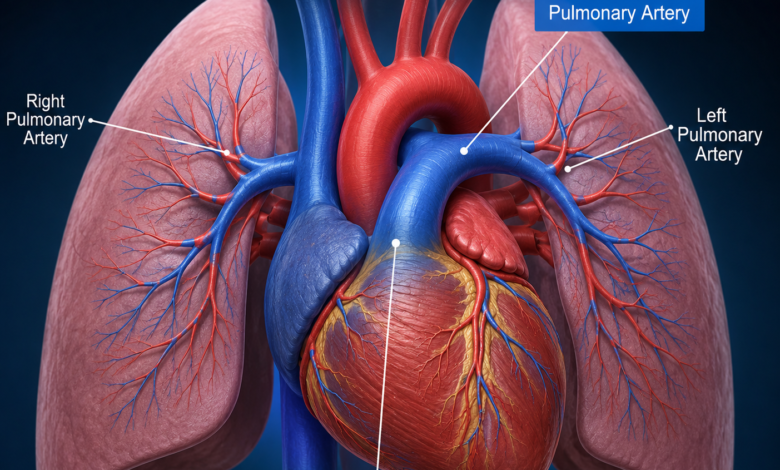
Pulmonary Artery plays a central role in the human circulatory system, yet it’s often overlooked when people talk about heart health. Unlike most arteries that carry oxygen-rich blood, this unique vessel carries oxygen-poor blood from the heart to the lungs. That distinction alone makes the one of the most fascinating components of cardiovascular anatomy.
From a functional standpoint, acts as a direct bridge between the heart and lungs. It ensures that deoxygenated blood reaches the lungs efficiently, where it can pick up oxygen and release carbon dioxide. Without this crucial pathway, the entire oxygenation process would collapse, affecting every organ in the body.
There also a structural importance to consider. The pulmonary artery begins at the right ventricle of the heart and quickly divides into left and right branches, each leading to a lung. This branching system ensures that blood is evenly distributed, supporting optimal respiratory function and maintaining balance in the circulatory system.
Anatomy of the Pulmonary in Detail
When you look closely at the anatomy, the pulmonary artery reveals a sophisticated design tailored for efficiency. It starts as the pulmonary trunk, a short but wide vessel that emerges from the heart. This trunk then splits into two major arteries, each serving a lung.
The walls of the slightly thinner than those of systemic arteries. This is because the pressure in this part of the circulation is much lower. The lower pressure helps protect the delicate lung tissues, which could otherwise be damaged by high-force blood flow.
Another interesting feature is the presence of elastic fibers within the artery walls. These fibers allow the pulmonary artery to expand and contract with each heartbeat, ensuring smooth blood flow. This flexibility reduces strain on the heart and helps maintain a steady circulation rhythm.
How the Pulmonary Artery Works in Circulation
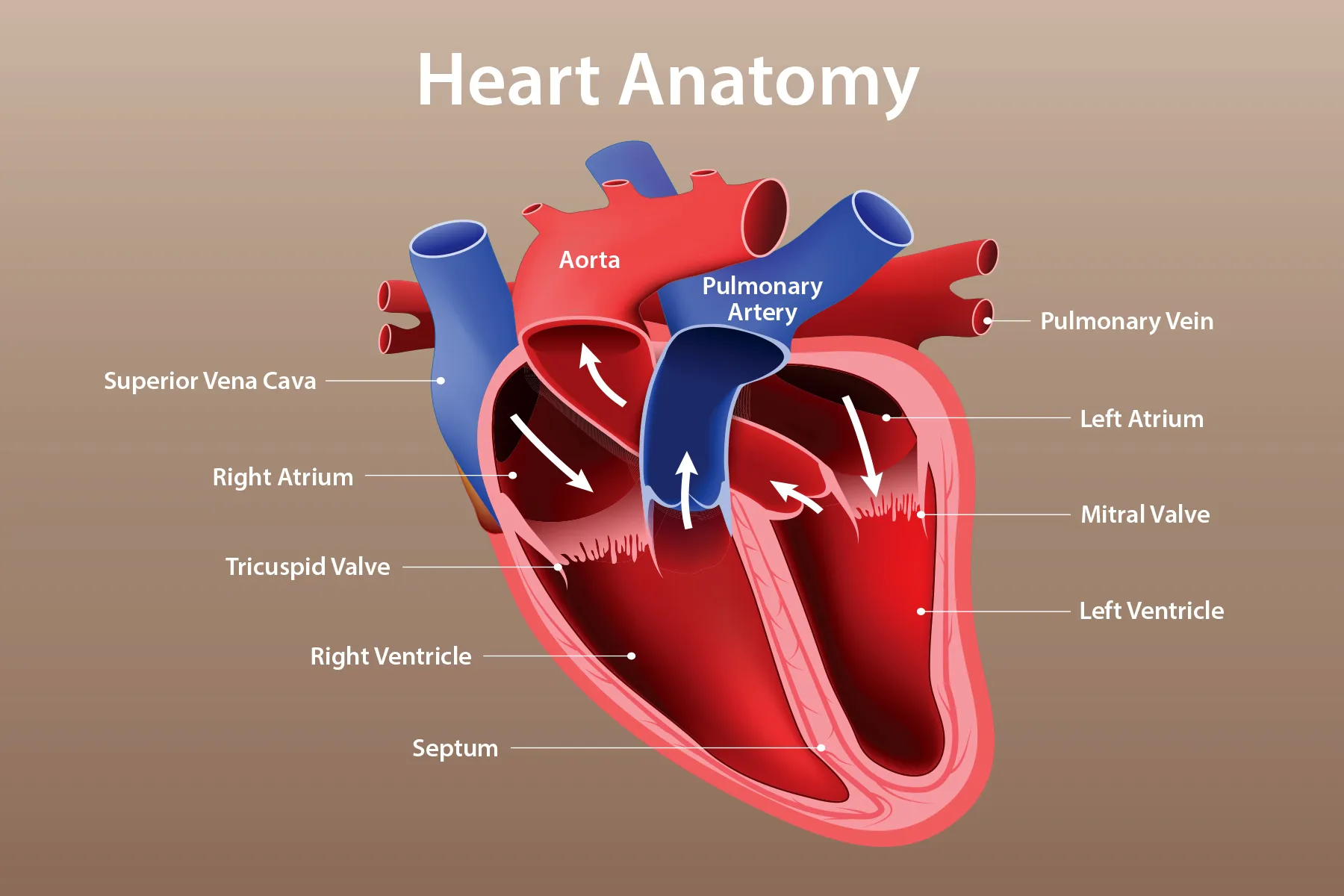
Understanding how the Pulmonary Artery functions requires a quick look at the broader circulatory loop. Blood returning from the body enters the right side of the heart, specifically the right atrium and then the right ventricle. From there, it is pumped into the pulmonary.
Once inside the blood travels to the lungs. Here, it passes through tiny capillaries surrounding the air sacs, or alveoli. This is where gas exchange happens—oxygen enters the blood, and carbon dioxide is removed.
After oxygenation, the blood returns to the heart via the pulmonary veins, ready to be pumped throughout the body. This continuous cycle highlights just how essential the pulmonary artery is in sustaining life. Without it, oxygen delivery would be impossible.
Common Diseases Affecting the Artery
Despite its importance, the pulmonary artery can be affected by several medical conditions. One of the most serious is pulmonary hypertension, a condition where blood pressure within the artery becomes dangerously high. This forces the heart to work harder, eventually leading to heart failure if untreated.
Another condition is pulmonary embolism, where a blood clot blocks part. This can happen suddenly and is often life-threatening. Symptoms may include chest pain, shortness of breath, and rapid heartbeat, making immediate medical attention critical.
Congenital defects can also involve the pulmonary artery. Some individuals are born with structural abnormalities that affect blood flow. These conditions often require surgical intervention early in life to ensure proper circulation and prevent complications.
Symptoms That May Indicate Artery Issues
Recognizing symptoms related to the pulmonary artery can be tricky because they often overlap with other conditions. However, persistent shortness of breath is one of the most common warning signs. It may start during physical activity but can worsen over time.
Chest discomfort or pressure is another symptom that shouldn’t be ignored. While it doesn’t always indicate a serious problem, it can be linked to conditions affecting the especially when combined with other symptoms.
Fatigue, dizziness, and even fainting episodes can also signal underlying issues. These symptoms occur because the body isn’t receiving enough oxygen, often due to impaired blood flow through the pulmonary artery. Paying attention to these signs can lead to early diagnosis and better outcomes.
Diagnosis and Medical Evaluation
Diagnosing problems with the pulmonary usually involves a combination of imaging tests and clinical evaluation. Doctors may begin with a physical examination and a review of symptoms, but more advanced tools are often needed for accurate diagnosis.
Imaging techniques such as CT scans, MRIs, and echocardiograms provide detailed views of the pulmonary artery. These tests help identify blockages, structural abnormalities, or pressure changes within the artery.
In some cases, a right heart catheterization may be performed. This procedure directly measures pressure inside the artery, offering precise data that can guide treatment decisions. While it sounds complex, it’s a highly effective diagnostic tool.
Treatment Options and Medical Management
Treatment for pulmonary artery conditions depends on the underlying cause. For pulmonary hypertension, medications may be prescribed to relax blood vessels and reduce pressure. These treatments aim to improve blood flow and ease the workload on the heart.
In the case of pulmonary embolism, anticoagulants are commonly used to prevent further clot formation. In severe situations, surgical procedures or clot-dissolving medications may be required to restore normal blood flow through the pulmonary artery.
Lifestyle changes also play a significant role in managing these conditions. Regular exercise, a balanced diet, and avoiding smoking can all contribute to better cardiovascular health. These adjustments may not cure the problem, but they can significantly improve quality of life.
Preventing Pulmonary Disorders
Prevention is always better than treatment, especially when it comes to the pulmonary artery. Maintaining a healthy lifestyle is the first step. This includes staying active, eating nutritious foods, and managing stress effectively.
Regular medical check-ups are equally important. Early detection of risk factors such as high blood pressure or blood clotting disorders can help prevent complications involving.
It’s also wise to be aware of family history. Some conditions affecting the pulmonary artery have a genetic component. Knowing your risk can encourage proactive monitoring and early intervention when necessary.
Final Thoughts on Pulmonary Artery Health
The pulmonary artery may not get as much attention as other parts of the heart, but its role is absolutely vital. It serves as the gateway for blood to reach the lungs, making oxygenation possible and sustaining life itself.
From its unique function to its complex structure, The a remarkable example of how the human body is designed for efficiency. Understanding how it works can help you appreciate the importance of cardiovascular health on a deeper level.
Ultimately, taking care of your heart also means taking care of the pulmonary artery. With the right knowledge and preventive measures, you can support this essential vessel and maintain a healthier, more active life.