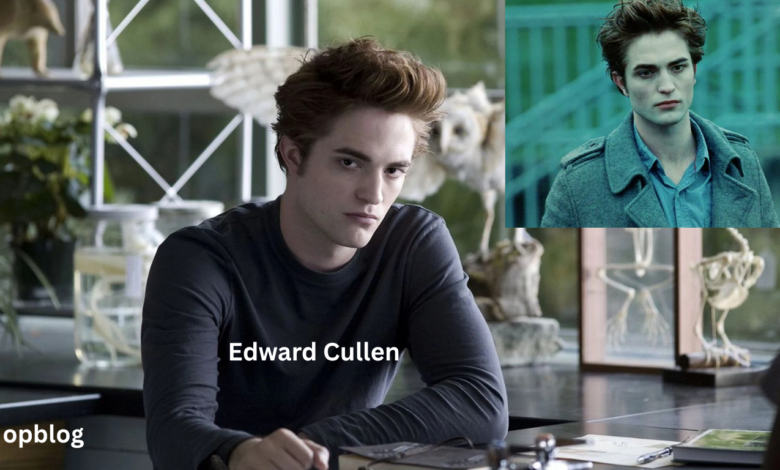
Edward Cullen When people talk about iconic fictional vampires in modern pop culture inevitably comes up. Introduced in Twilight by Stephenie Meyer, quickly became one of the most recognizable characters in young adult fiction. He’s not your traditional vampire—he’s refined, introspective, and surprisingly restrained.
At first glance, appears to be the perfect high school student—intelligent, mysterious, and impossibly attractive. But beneath that polished exterior lies a century-old vampire struggling with his identity. That duality is what makes his character so compelling. He’s constantly balancing his human emotions with his supernatural instincts.
The intrigue around Edward Cullen doesn’t just come from his vampire nature. It’s also rooted in how he interacts with the world around him. His cautious demeanor, combined with a deep sense of morality, sets him apart from other characters in the genre. He isn’t just a fantasy figure—he feels layered and emotionally complex.
The Backstory That Shapes Edward
Understanding Edward Cullen requires a look into his past. Born in 1901, he was transformed into a vampire during the 1918 influenza pandemic. This moment didn’t just change his physical state—it reshaped his entire existence. Suddenly, he was forced to navigate immortality while holding onto fragments of his humanity.
His transformation was guided by Carlisle Cullen, who introduced him to a different way of life. Instead of feeding on humans, adopted a “vegetarian” lifestyle, consuming animal blood. This moral choice plays a significant role in defining his character and sets the tone for his internal struggles.
Over time, Edward Cullen developed a heightened sense of empathy and control. However, his past continues to influence his decisions. The weight of living for over a century adds depth to his personality, making him more than just a romantic lead. He carries history, regret, and wisdom in equal measure.
Cullen and His Unique Abilities
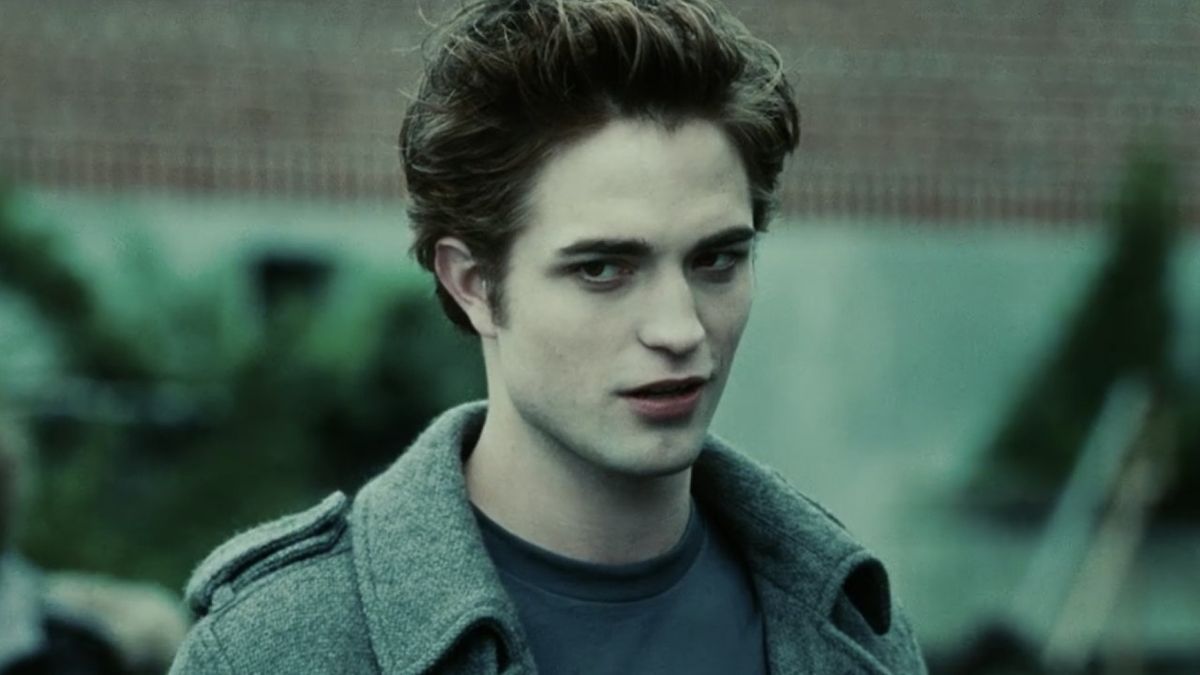
One of the most fascinating aspects of Edward Cullen is his supernatural abilities. Unlike many vampires in fiction, he possesses a unique gift—mind reading. This ability allows him to hear the thoughts of those around him, giving him an unusual perspective on human behavior.
At first, this power seems like an advantage. can anticipate actions, understand intentions, and avoid danger. However, it also creates a sense of isolation. Constant exposure to others’ thoughts makes it difficult for him to find genuine connection or peace.
Interestingly, his ability doesn’t work on everyone. This limitation becomes particularly important in his relationship with Bella Swan. The inability to read her mind adds an element of mystery, drawing Edward Cullen closer and deepening their bond in unexpected ways.
The Love Story That Defined a Generation
It’s impossible to discuss without mentioning his relationship with Bella Swan. Their love story is central to the Twilight series and plays a huge role in its popularity. It’s not just about romance—it’s about connection, sacrifice, and emotional intensity.
Edward Cullen’s love for Bella is both passionate and cautious. He’s constantly aware of the risks his nature poses to her safety. This creates a tension that runs throughout their relationship, making every moment feel significant.
What makes their story resonate is its emotional depth. isn’t just a romantic partner—he’s a character who struggles with the idea of deserving love. This vulnerability adds authenticity, making the relationship feel more grounded despite its supernatural elements.
Edward Personality and Inner Conflict
Edward Cullen is not a straightforward character. His personality is shaped by contradictions—strength and restraint, confidence and self-doubt. These opposing traits make him more relatable, even in a fantastical setting.
One of his defining characteristics is his sense of responsibility. often puts others’ needs before his own, especially when it comes to Bella. This selflessness, while admirable, also leads to moments of internal conflict.
He’s constantly questioning his choices and their consequences. This introspection gives Edward Cullen a depth that goes beyond typical character archetypes. He’s not just reacting to events—he’s actively reflecting on them, which adds layers to his narrative.
The Cultural Impact of Edward Cullen
When Twilight gained global popularity, became more than just a fictional character—he became a cultural phenomenon. Fans across the world were captivated by his charm, leading to widespread discussions, fan theories, and even debates.
The portrayal of Edward Cullen in The Twilight Saga, especially by Robert Pattinson, further amplified his influence. The films brought his character to life, making him accessible to an even broader audience.
His impact extends beyond entertainment. helped redefine the vampire genre, shifting it from horror-focused narratives to more romantic and emotional storytelling. This shift influenced countless books and films that followed.
Edward Cullen vs Traditional Vampire Archetypes
Traditional vampires are often depicted as dark, predatory, and detached from human emotions. Edward challenges this stereotype in significant ways. While he shares the physical traits of a vampire, his behavior is markedly different.
Instead of embracing his predatory nature, actively resists it. This choice creates a moral framework that sets him apart. He’s not driven by hunger alone—he’s guided by principles and a desire to do what’s right.
This reinterpretation of the vampire archetype is part of what makes Edward Cullen so memorable. He represents a blend of fantasy and humanity, offering a fresh perspective on a well-established genre.
Criticism and Controversy Around Cullen
Despite his popularity, Edward Cullen hasn’t been without criticism. Some readers and viewers have questioned aspects of his behavior, particularly in his relationship with Bella. These critiques often focus on themes of control and intensity.
However, these discussions also highlight the complexity of his character isn’t meant to be perfect—he’s flawed, and those flaws spark conversation. This ability to generate debate is a sign of a well-developed character.
It’s also worth noting that interpretations vary widely. What some see as problematic, others view as protective or romantic. This diversity of perspectives keeps Edward Cullen relevant in ongoing discussions about character dynamics.
Why Cullen Still Matters Today
Years after the release of the Twilight series, continues to hold a place in popular culture. New generations of readers and viewers are discovering his story, keeping the character alive and relevant.
Part of his enduring appeal lies in his emotional depth. Edward Cullen isn’t just a product of his time—he represents universal themes like love, identity, and self-control. These themes resonate regardless of changing trends.
There’s also a nostalgic factor at play. For many fans, is tied to memories of first reading the books or watching the films. This emotional connection ensures that his legacy remains strong.
Final Thoughts on Edward Cullen
Edward Cullen is more than just a character in a popular series—he’s a symbol of how storytelling can evolve and connect with audiences on a deeper level. His blend of mystery, emotion, and moral complexity makes him stand out in the world of fiction.
From his unique abilities to his intricate relationships, every aspect of contributes to his lasting impact. He’s not defined by a single trait but by the interplay of many, which keeps him interesting and relatable.
In the end, Edward story is about more than vampires or romance. It’s about navigating identity, making difficult choices, and finding connection in unexpected places. That’s what makes him unforgettable.