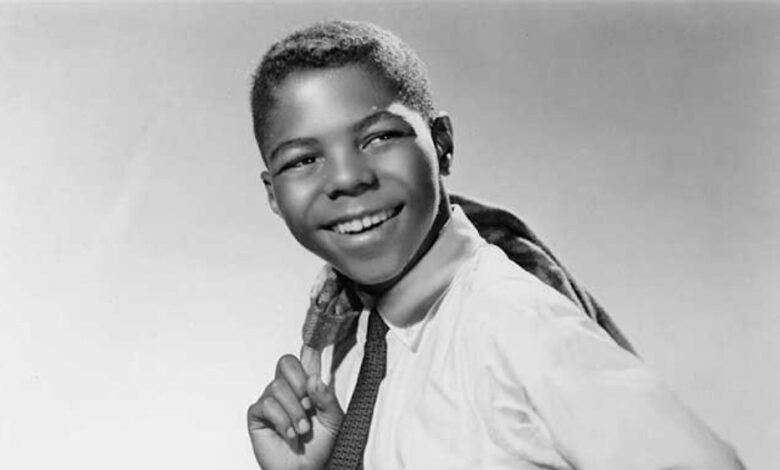
Frankie Lymon was born into a modest family in Harlem, New York, and his upbringing played a huge role in shaping his musical instincts. Growing up in a neighborhood rich with culture and rhythm, he was surrounded by gospel, jazz, and early rhythm and blues. It wasn’t a polished environment, but it was authentic, and that authenticity later became a defining trait of his sound.
As a child, showed an unusual sense of rhythm and melody. While other kids were busy with schoolyard games, he was already experimenting with harmonies and vocal styles. His exposure to church choirs and street-corner singing groups gave him a natural training ground that no formal education could replicate.
There something almost cinematic about his beginnings. The story of Frankie Lymon isn’t just about talent—it’s about timing and environment. Harlem in the 1950s was buzzing with creativity, and young performers like him were absorbing it all. That early immersion laid the groundwork for what would soon become a groundbreaking career.
Breakthrough With The Teenagers and Instant Fame
The turning point for Frankie Lymon came when he joined The Teenagers. This group would become the vehicle that launched him into stardom, but more importantly, it gave him a platform to showcase his unique voice. Unlike many singers of the time, his tone carried a youthful energy that felt fresh and different.
Their biggest hit, Why Do Fools Fall in Love, became an instant sensation. The track didn’t just climb charts—it reshaped what audiences expected from young performers. Frankie Lymon, still in his early teens, suddenly found himself at the center of a musical revolution.
Fame arrived quickly, almost too quickly. One moment he was a kid in Harlem, and the next he was performing on national stages. The success of Frankie Lymon during this period wasn’t just about catchy songs; it was about the emotional connection he created with listeners. His voice carried innocence, vulnerability, and excitement all at once.
The Unique Voice That Defined an Era
What made Frankie Lymon stand out in a crowded music scene was his voice. It wasn’t just high-pitched—it was expressive in a way that felt genuine. At a time when many artists were trying to sound polished, he sounded real, and that made all the difference.
There’s a certain rawness in his recordings that still resonates today. When you listen to Lymon, you don’t just hear music—you hear emotion. That quality helped bridge the gap between rhythm and blues and the emerging rock and roll movement.
Experts often point out that his vocal style influenced countless artists who came after him. While his career was relatively short, the impact of Frankie Lymon can still be traced in modern pop and R&B. His ability to connect emotionally through music set a standard that many still strive to reach.
Challenges Behind the Spotlight
Fame, especially at a young age, comes with its own set of challenges. For Frankie Lymon, the transition from childhood to stardom was anything but smooth. The pressures of the music industry, combined with the expectations placed on him, created a difficult environment to navigate.
There were also financial and managerial issues that complicated his career. Like many young artists of his time, didn’t always have control over his earnings or decisions. This lack of control often led to frustration and instability.
On a personal level, the sudden shift in lifestyle took a toll. The story of Frankie Lymon isn’t just about success—it’s also about the struggles that come with it. His experiences highlight the darker side of early fame, especially in an era where artist support systems were limited.
Solo Career and Changing Dynamics
After achieving massive success with The Teenagers, Frankie eventually embarked on a solo career. This move was seen as a natural progression, but it came with its own set of challenges. Without the group dynamic, the spotlight was entirely on him.
Initially, there was excitement around his solo work. Fans were eager to see how Frankie Lymon would evolve as an individual artist. However, the transition wasn’t as seamless as expected. The absence of the group’s harmonies changed the overall feel of his music.
From an industry perspective, this phase reveals how delicate success can be. Lymon had the talent, but the circumstances around his career made it difficult to sustain the same level of momentum. It’s a reminder that talent alone isn’t always enough—timing, management, and support all play crucial roles.
Personal Struggles and Life Off Stage
Beyond the music, Frankie Lymon faced significant personal challenges. The pressures of fame, combined with a lack of guidance, led him down a difficult path. His struggles with addiction became a defining aspect of his later years.
It’s important to approach this part of his story with nuance. wasn’t just a cautionary tale—he was a young individual navigating an overwhelming situation. The lack of proper support systems at the time made it even harder for him to find stability.
Despite these struggles, there were moments where he tried to rebuild his life. These efforts show a different side of Frankie Lymon—one that was determined and hopeful, even in the face of adversity. It adds depth to his story and reminds us that he was more than just his challenges.
Cultural Impact and Influence on Music
The influence of Frankie Lymon extends far beyond his own recordings. He played a key role in shaping the early sound of rock and roll, blending elements of rhythm and blues with a youthful energy that appealed to a wide audience.
Artists across generations have cited him as an inspiration. His style helped pave the way for future performers who wanted to bring emotion and authenticity into their music. The legacy of Lymon can be heard in countless songs that followed.
From a cultural standpoint, his success also broke barriers. As a young Black artist achieving mainstream recognition in the 1950s, Frankie Lymon contributed to a shift in how music was consumed and appreciated. His impact goes beyond charts—it’s embedded in the evolution of popular music.
The Legacy That Still Resonates Today
Even decades after his passing, Frankie Lymon continues to be remembered and celebrated. His music still finds new audiences, proving that great art has a timeless quality. Songs like “Why Do Fools Fall in Love” remain classics that resonate across generations.
There have also been films and tributes that revisit his life and career, introducing his story to people who may not be familiar with his work. These portrayals highlight both his achievements and the challenges he faced, offering a balanced perspective.
The enduring interest in Frankie Lymon speaks volumes about his impact. He may not have had a long career, but what he accomplished in that time was remarkable. His story continues to inspire discussions about talent, fame, and resilience.
Final Thoughts on Frankie Journey
Looking back, the life of Frankie Lymon is a mix of brilliance and complexity. He achieved what many artists spend a lifetime chasing, yet his journey was far from easy. That contrast is what makes his story so compelling.
From an expert viewpoint, his career offers valuable lessons about the music industry and the importance of support systems for young artists. Frankie Lymon’s experiences highlight both the opportunities and risks that come with early success.
Ultimately, his legacy is defined by his music and the emotions it continues to evoke. Frankie Lymon wasn’t just a singer—he was a pioneer who helped shape an entire genre. And even today, his voice remains a powerful reminder of what raw talent can achieve.