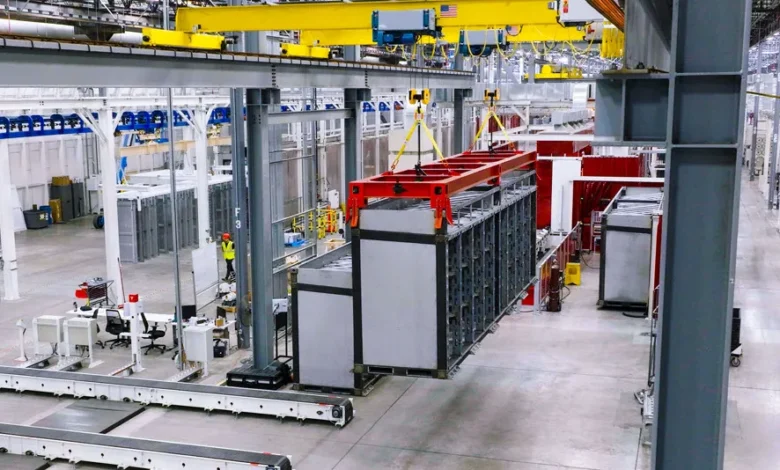
Tesla LFP Battery Factory Nevada project is quickly becoming one of the most talked-about developments in the electric vehicle and energy storage industry. As Tesla expands its production capabilities in the United States, this factory represents a major shift toward domestic battery manufacturing and cost-efficient technology.
In this expert-style guide, we’ll break down everything you need to know about the battery factory Nevada, including its purpose, benefits, production details, and future impact.
What Is Tesla LFP Battery Factory Nevada
The Tesla LFP battery factory Nevada is a specialized manufacturing facility focused on producing lithium iron phosphate (LFP) battery cells. It is being developed near Tesla’s existing Gigafactory in Nevada, one of the company’s most important production hubs.
This factory marks a significant transition for Tesla, as the company previously relied heavily on imported LFP batteries. By producing them locally, Tesla aims to reduce dependency on overseas suppliers and improve supply chain efficiency.
The facility is expected to support Tesla’s growing energy storage business, including products like Powerwall and Megapack. While the initial focus is on energy storage, the factory may also contribute to electric vehicle production in the future.
Why Tesla Is Investing in LFP Technology
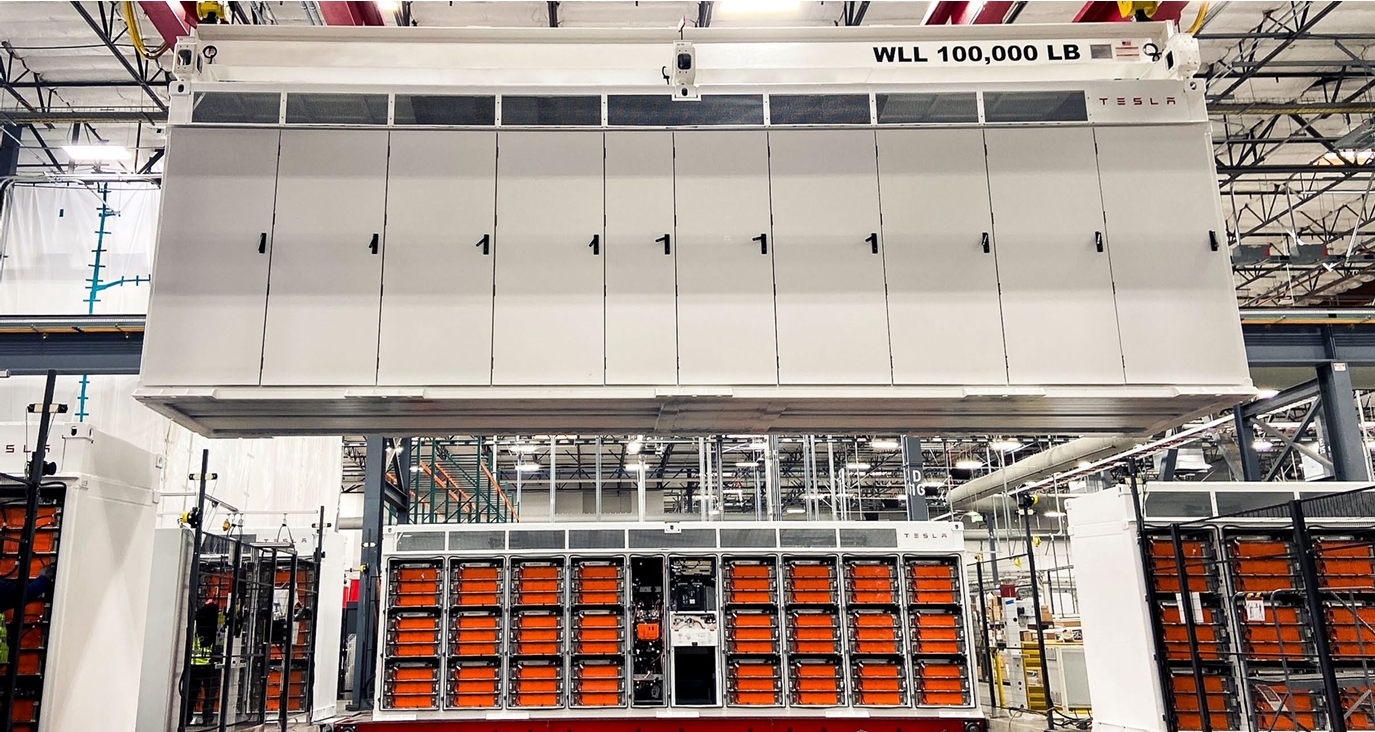
The rise of the Tesla LFP battery factory Nevada is closely linked to the advantages of lithium iron phosphate batteries. These batteries have gained popularity due to their affordability and reliability.
One of the main reasons Tesla is investing in LFP batteries is cost efficiency. Compared to nickel-based batteries, LFP cells are cheaper to produce, making them ideal for scaling production and offering more affordable energy solutions.
Another key benefit is safety. LFP batteries are more thermally stable, meaning they are less likely to overheat or catch fire. This makes them particularly suitable for large-scale energy storage systems, which is a major focus of the LFP battery factory.
Strategic Location Near Gigafactory Nevada
The Tesla LFP battery factory Nevada is strategically located near Tesla’s Gigafactory in Sparks, Nevada. This proximity allows Tesla to integrate operations and maximize efficiency.
Gigafactory Nevada is already a major production center for batteries, powertrains, and energy storage systems. By placing the LFP facility nearby, Tesla can share infrastructure, workforce, and logistics.
This integration helps reduce production costs and improves operational efficiency, making the Tesla LFP battery factory Nevada a smart and strategic expansion.
Production Capacity and Manufacturing Process
The Tesla LFP battery factory Nevada is expected to have an initial production capacity of around 10 gigawatt-hours (GWh) per year. This level of output is significant, especially for energy storage applications.
The factory will likely use established battery manufacturing techniques, including wet coating processes. These methods are widely used in the industry and allow for scalable and efficient production.
By adopting proven technologies, Tesla can accelerate the factory’s development and reduce risks. This ensures that the Tesla LFP battery factory Nevada can begin contributing to production as quickly as possible.
Role in Tesla’s Energy Storage Expansion
The Tesla LFP battery factory Nevada plays a crucial role in Tesla’s growing energy storage business. As demand for renewable energy solutions increases, efficient battery storage becomes essential.
Products like Powerwall and Megapack rely on durable and cost-effective battery cells. LFP batteries are well-suited for these applications due to their long lifespan and stability.
By producing LFP batteries domestically, Tesla can scale its energy storage solutions and meet growing demand. The Tesla LFP battery factory Nevada is central to this expansion strategy.
Strengthening the U.S. Battery Supply Chain
One of the biggest impacts of the Tesla LFP battery factory Nevada is its contribution to the domestic battery supply chain. Previously, much of the LFP battery supply came from overseas markets.
Local production reduces logistical challenges and gives Tesla greater control over its manufacturing process. This also aligns with broader efforts to strengthen the U.S. battery industry.
The Tesla LFP battery factory Nevada is expected to encourage further investment in battery manufacturing across North America, supporting long-term growth in the clean energy sector.
Future Growth and Expansion Plans
The Tesla LFP battery factory Nevada is just the beginning of a larger vision. Tesla plans to expand its production capacity as demand for batteries continues to rise.
While the initial focus is on energy storage, future developments may include integration into electric vehicles. As technology advances, LFP batteries could become more widely used across Tesla’s lineup.
This factory reflects Tesla’s commitment to vertical integration, where the company controls every stage of production. The Tesla LFP battery factory Nevada is a key step toward achieving that goal.
Challenges and Industry Competition
Despite its advantages, the Tesla LFP battery factory Nevada faces several challenges. Building and scaling a battery factory requires significant investment and technical expertise.
Competition is another factor. Many companies are investing in LFP technology, making the market increasingly competitive. Tesla must continue to innovate to maintain its leadership position.
However, with its strong track record and resources, Tesla is well-positioned to overcome these challenges and succeed with the Tesla LFP battery factory Nevada.
Environmental and Economic Impact
The Tesla LFP battery factory Nevada offers both environmental and economic benefits. LFP batteries are considered more sustainable because they use fewer rare materials and have a longer lifespan.
This supports the transition to renewable energy by making storage solutions more accessible and reliable. The factory also contributes to reducing carbon emissions by supporting clean energy adoption.
From an economic perspective, the Tesla LFP battery factory Nevada creates jobs and stimulates local development. It also strengthens the broader clean energy economy in the United States.
Conclusion
The Tesla LFP battery factory Nevada represents a major step forward in battery technology and clean energy innovation. By focusing on cost-effective, safe, and scalable LFP batteries, Tesla is positioning itself for long-term success.
From strengthening the domestic supply chain to supporting renewable energy growth, the impact of this factory is far-reaching. As Tesla continues to expand its operations, the Tesla LFP battery factory Nevada will play a central role in shaping the future of energy storage and electric vehicles.