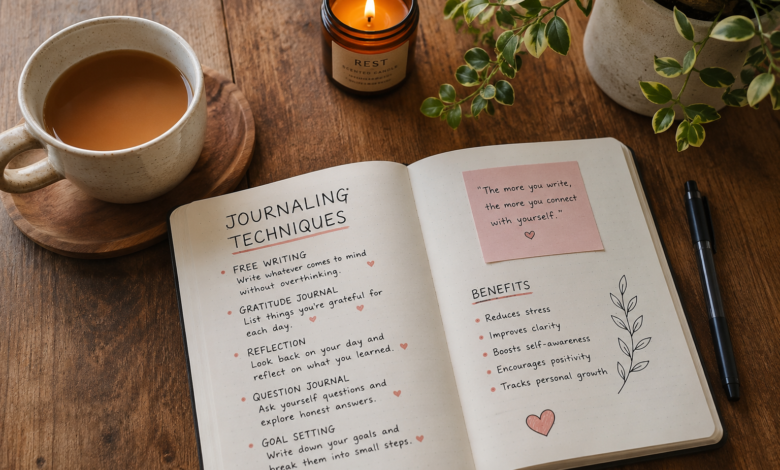
Journaling Techniques Most people think journaling is just about writing down thoughts, but that’s only scratching the surface. The right can completely change how you process emotions, set goals, and even make decisions. It’s less about the act of writing and more about how you structure that writing.
Think of journaling as a mental organization tool. When your thoughts feel scattered, putting them on paper creates a sense of order that’s hard to achieve otherwise. That’s why effective techniques are often recommended by productivity experts and even therapists—they provide clarity in a way that thinking alone cannot.
What makes journaling powerful is its flexibility. There’s no single “correct” way to do it, yet certain approaches consistently produce better results. By understanding and applying different journaling techniques, you can turn a simple habit into a meaningful daily practice that actually supports your personal growth.
Free Writing: Letting Your Thoughts Flow Naturally
Free writing is one of the most accessible journaling techniques out there. There are no rules, no structure, and definitely no pressure to sound polished. You simply write whatever comes to mind without stopping, even if it feels messy or repetitive.
This approach works particularly well when you’re feeling overwhelmed. Instead of trying to organize your thoughts immediately, free writing allows them to spill out naturally. Over time, patterns begin to emerge, helping you understand what’s really on your mind beneath the surface noise.
Interestingly, many people find that their most honest insights come from free writing sessions. Because you’re not filtering yourself, your subconscious gets a chance to speak more freely. Among all journaling techniques, this one is often the starting point for deeper self-discovery.
Structured Journaling for Better Productivity
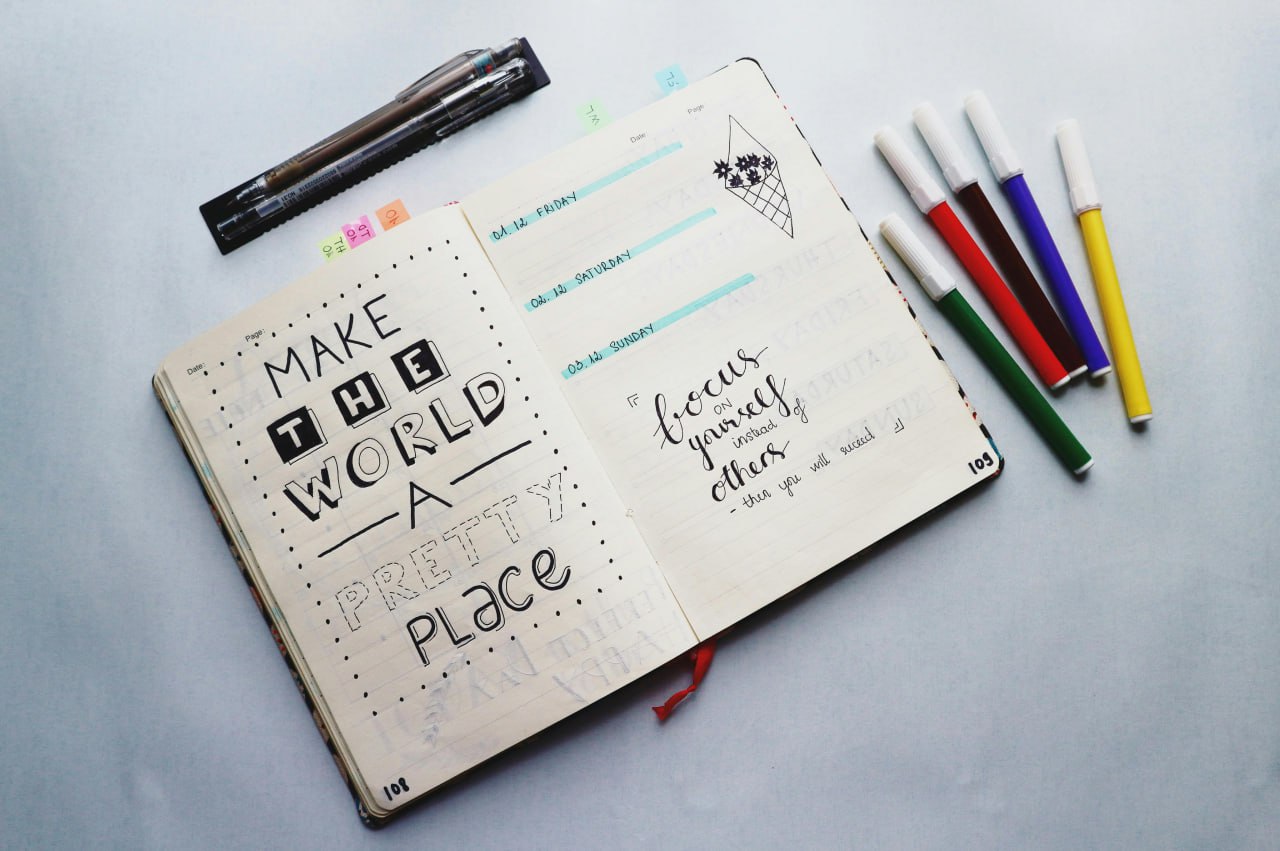
While free writing has its place, structured Journaling Techniques bring a different kind of value. These methods rely on prompts, templates, or specific formats to guide your thinking. Instead of wandering thoughts, you focus on targeted questions or goals.
For example, you might start your day by writing three priorities or end it by reflecting on what went well. This kind of structure helps you stay consistent and ensures that your journaling sessions serve a clear purpose. It’s especially useful for people who feel lost without direction.
Another advantage of structured journaling techniques is efficiency. You don’t need to spend a long time writing to see results. Even a few focused minutes can provide clarity, making this approach ideal for busy schedules.
Gratitude Journaling: Shifting Your Perspective
Gratitude journaling is one of the simplest yet most impactful journaling techniques. The idea is straightforward—you regularly write down things you’re thankful for. But the effect goes far beyond that simplicity.
Over time, this practice trains your brain to notice positive aspects of your life more easily. Instead of focusing on what’s missing, you begin to appreciate what’s already there. This shift in perspective can significantly improve your overall mindset.
What’s interesting is how gratitude journaling evolves. In the beginning, entries might feel repetitive or forced. However, as you continue, you start recognizing deeper and more meaningful aspects of your life. Among journaling techniques, this one has a strong connection to emotional well-being.
Reflective Journaling for Self-Awareness
If your goal is to understand yourself better, reflective techniques are incredibly effective. This method involves looking back at your experiences and analyzing them in a thoughtful way. It’s not just about what happened—it’s about why it mattered.
Reflective journaling encourages you to ask questions like: What did I learn? How did I react? What could I do differently next time? These questions help transform everyday experiences into valuable lessons.
Over time, this practice builds a deeper sense of self-awareness. You start recognizing patterns in your behavior and thinking, which makes it easier to make intentional changes. Compared to other journaling techniques, this one is particularly powerful for personal development.
Bullet Journaling: Combining Creativity and Organization
Bullet journaling is a hybrid approach that blends creativity with structure. Unlike traditional journaling, it incorporates lists, symbols, and visual elements to organize information effectively.
This method is ideal for people who enjoy planning and tracking progress. You can use it to manage tasks, set goals, or even monitor habits. The visual aspect makes it engaging, which helps maintain consistency over time.
Another benefit of bullet journaling is its adaptability. You can customize it to suit your needs, whether you prefer a minimalist layout or something more artistic. Among all journaling techniques, this one stands out for its versatility and practicality.
Emotional Release Through Journaling
Sometimes, the purpose of journaling is simply to let things out. Emotional release journaling techniques focus on expressing feelings without judgment or restraint. This can be especially helpful during stressful or challenging times.
Writing about your emotions allows you to process them in a safe and controlled way. Instead of bottling everything up, you create space for those feelings to exist and eventually pass. This can lead to a sense of relief and clarity.
It’s worth noting that emotional journaling doesn’t always need to be intense. Even small, honest entries can make a difference. Among journaling techniques, this one serves as a powerful outlet for maintaining emotional balance.
Goal-Oriented Journaling for Personal Growth
Goal-oriented journaling are all about direction. Instead of focusing solely on the present or past, this method emphasizes the future. You write about what you want to achieve and how you plan to get there.
This approach helps turn vague ambitions into actionable steps. By regularly revisiting your goals, you stay motivated and accountable. It’s like having a written roadmap that keeps you on track.
Another advantage is the sense of progress it creates. When you look back at previous entries, you can see how far you’ve come. Among journaling techniques, this one is particularly effective for building momentum in both personal and professional life.
Digital vs Traditional Journaling Approaches
In today’s world, journaling isn’t limited to pen and paper. Digital platforms offer a modern alternative, and both options have their own advantages. Choosing between them depends on your personal preference and lifestyle.
Traditional journaling techniques often feel more personal and immersive. Writing by hand can slow down your thoughts, making the process more intentional. Many people find this method therapeutic and grounding.
On the other hand, digital journaling offers convenience and accessibility. You can write anytime, anywhere, and even organize entries more efficiently. Regardless of the format, the effectiveness of techniques ultimately comes down to consistency.
Building a Sustainable Journaling Habit
Starting a journaling practice is one thing, but maintaining it is another challenge entirely. The key is to keep it simple and realistic. You don’t need to write pages every day to benefit from journaling techniques.
Consistency matters more than perfection. Even short entries can be valuable if you stick with the habit. Over time, journaling becomes a natural part of your routine rather than a task you have to force yourself to do.
It’s also helpful to experiment with different journaling techniques. What works for one person may not work for another, and that’s perfectly fine. By exploring various methods, you can find an approach that feels both effective and enjoyable.
Final Thoughts on Journaling Techniques
At its core, journaling is a tool for understanding yourself and your world more clearly. The beauty of journaling techniques lies in their adaptability—you can shape them to fit your needs and preferences.
Whether you prefer free writing, structured formats, or creative approaches, each method offers unique benefits. The important thing is to start and stay consistent, allowing the process to evolve naturally over time.
In the end, journaling isn’t about creating perfect entries. It’s about creating a space where your thoughts can exist freely. With the right journaling techniques, that space can become one of the most valuable tools in your daily life.